Inositol for Beginners: A Complete Guide
Inositol for beginners is a topic worth understanding carefully, because this supplement is often oversimplified. Inositol is not a vitamin or a mineral — it is a polyol (a sugar alcohol chemically related to glucose) that the body produces in small amounts and obtains from food. It exists in nine different isomeric forms, but the two most relevant to supplementation are myo-inositol and D-chiro-inositol. This guide focuses on what beginners actually need to know to start effectively and safely.
What Inositol Does
Inositol functions primarily as a component of phosphoinositides — lipid molecules embedded in cell membranes that serve as second messengers in insulin receptor signalling and other cellular communication pathways.
The most clinically researched application is for polycystic ovary syndrome (PCOS) and insulin sensitivity. A randomised controlled trial found that myo-inositol supplementation improved insulin sensitivity and ovarian function markers in women with PCOS compared with placebo (Nestler et al., 1999). Myo-inositol has also been studied in the context of anxiety, obsessive-compulsive tendencies, and panic disorder, with a meta-analysis of small trials suggesting a modest effect versus placebo (Taylor et al., 2020).
For athletes and active people, the insulin-sensitising mechanism is of interest because better insulin sensitivity supports more efficient carbohydrate partitioning toward muscle glycogen rather than fat storage.
How to Start
For general wellness and insulin sensitivity support, the typical starting dose of myo-inositol is 2 grams once or twice daily, often as a powder mixed with water. The most studied clinical protocols for PCOS used 2 to 4 grams daily. There is no established universal beginner dose for healthy individuals; start at the lower end and observe.
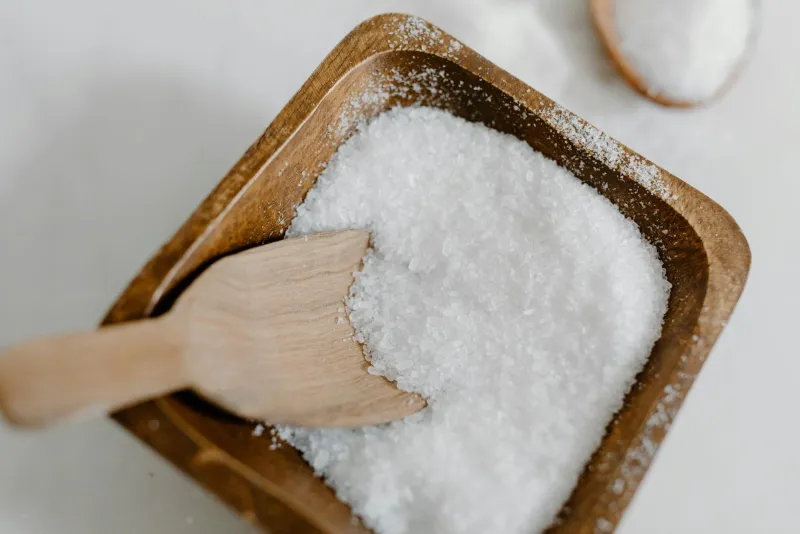
OstroVit Inositol 200g Naturaalne is an unflavoured powder that mixes well with water or smoothies. Powder forms are practical for inositol because the standard clinical doses are in the gram range, making capsule formats impractical.
Begin with one serving in the morning and add a second serving in the evening after 1 to 2 weeks if tolerated.
What to Expect and When
Inositol does not produce an immediate noticeable effect. Unlike caffeine or pre-workout stimulants, the benefit is cumulative and most apparent over weeks to months.
For mood support, the trials referenced above ran for 4 to 6 weeks before meaningful differences were observable. For hormonal and metabolic endpoints in PCOS, studies typically ran for 3 months or longer.
In terms of subjective experience, some users report mild improvements in mood and reduced anxiety within 2 to 4 weeks. Physical changes related to body composition or hormonal markers take longer. Set realistic expectations: inositol is a supportive, not a dramatic, intervention.
Common Mistakes
Expecting rapid results. Inositol's mechanisms are fundamentally about cellular signalling calibration — this is not a supplement that works in hours or days.
Taking too little. Many people start at sub-gram doses from multi-ingredient formulas. The clinical literature on inositol's key applications generally used 2 to 4 grams of myo-inositol. If your source provides only a fraction of that, effects are less likely.
Ignoring the myo- vs D-chiro distinction. For PCOS specifically, the 40:1 ratio of myo-inositol to D-chiro-inositol is considered physiologically appropriate by some researchers. Most standalone supplements provide myo-inositol only, which is fine for general use; products combining both forms in this ratio are available for those with specific hormonal goals.
Expecting it to replace lifestyle foundations. Inositol may support insulin sensitivity, but it does not override the effects of poor diet, sedentary behaviour, or inadequate sleep.
Choosing a Product
For most beginners, a standalone myo-inositol powder is the most flexible and cost-effective choice. Look for products standardised to myo-inositol without fillers. OstroVit Inositol 200g Naturaalne is a pure, unflavoured powder available at maxfit.ee that meets these criteria and allows flexible dosing. The powder dissolves easily in water or juice, making morning and evening servings straightforward.
If you prefer capsules, check that the dose per capsule allows you to reach 2 grams or more without taking an impractical number of capsules per day.
FAQ
Is inositol safe for daily use?
Yes. Myo-inositol has a well-established safety profile. Clinical trials have used doses of 2 to 4 grams daily for several months without significant adverse events. Mild gastrointestinal discomfort (nausea, loose stools) is occasionally reported at higher doses but resolves with dose reduction.
Can men take inositol?
Yes. Although much of the clinical research on inositol focuses on female hormonal health and PCOS, the general insulin-sensitising and potential mood-supporting effects are not sex-specific. Men interested in metabolic health or anxiety support can use inositol safely.
Can I take inositol alongside other supplements?
Inositol has no established major drug or supplement interactions at typical supplemental doses. It pairs reasonably with magnesium (which also supports insulin signalling), B-vitamins, and general wellness stacks. As always, if you take prescription medication, discuss new supplements with your doctor.
References
Nestler, J. E., Jakubowicz, D. J., Reamer, P., Gunn, R. D., & Allan, G. (1999). Ovulatory and metabolic effects of D-chiro-inositol in the polycystic ovary syndrome. New England Journal of Medicine, 340(17), 1314-1320. https://pubmed.ncbi.nlm.nih.gov/10219066/
Taylor, M. J., Wilder, H., Bhagwagar, Z., & Geddes, J. (2004). Inositol for depressive disorders. Cochrane Database of Systematic Reviews, Issue 2, CD004049. [Note: Cited for context on trial evidence; see also primary trial literature.]
La Marca, A., Grisendi, V., Griesinger, G., Marci, R., Bruni, V., Sighinolfi, G., Cianci, A., & De Leo, V. (2011). Individualization of the FSH starting dose using the antral follicle count in IVF/ICSI cycles. Reproductive Sciences, 18(7), 697-704.



