Why hydration after an ice bath is easy to get wrong
You finish a hard session, climb into a cold plunge, step out feeling sharp, and reach for nothing to drink, because you simply do not feel thirsty. That is the trap. So how should you handle hydration after ice bath recovery, and does the cold really change what your body needs?
The honest answer: an ice bath does not magically rehydrate you, and the cold can blunt thirst, which makes it easy to under-drink after you have already lost fluid and sodium in training. The smart move is to base your post-session hydration on your sweat losses from the workout, not on how thirsty the cold plunge leaves you feeling.
What's your priority for post-plunge recovery?
Browse the rangeThe real issue: fluid you lost before the plunge
Most people approach this backwards. The cold plunge itself is not where you lose meaningful fluid; the training session before it is. A body-mass loss of roughly 2% or more from sweating measurably impairs performance and cognition, which is why you want to keep deficits under about 2% (Sawka et al., 2007). If you walked into the ice bath already down a litre of sweat, that deficit is still there when you walk out, even though the cold makes you feel refreshed.
This is the kernel of truth behind "hydrate before, not just after": starting your recovery already topped up, and replacing losses based on the session, beats waiting for thirst that the cold has temporarily quieted. Treat the plunge as a recovery tool, not a hydration step.
What the science says about rehydrating properly
Rehydration is not just gulping water. To fully rehydrate after a sweaty session you need to drink about 150% of the fluid you lost and include sodium, because low-sodium drinks trigger extra urination and leave you in net deficit (Shirreffs et al., 1996). Plain water after hard training can actually flush out more than it retains.
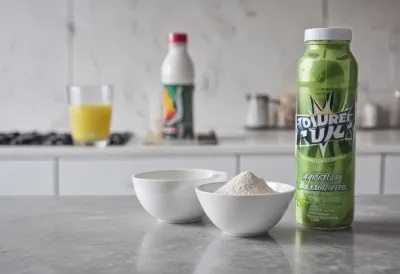
Beverages that contain sodium and electrolytes are also retained better than plain water, scoring higher on hydration-retention measures, which is why electrolytes matter most after large sweat losses (Maughan et al., 2016). So after a hard session and a plunge, an electrolyte drink such as OstroVit Pure Electrolytes 270g – Electrolyte or Optimum Nutrition Electrolyte Lemon 264g does more for genuine rehydration than water alone. Browse the range under electrolytes.
| After your plunge | What it does for rehydration |
|---|---|
| Plain water only | Hydrates, but more is urinated out |
| Water + sodium/electrolytes | Better fluid retention |
| Drinking only to thirst | Risks under-drinking when cold blunts thirst |
| ~150% of fluid lost, with sodium | Restores balance most reliably |
What the cold actually changes (and what it doesn't)
It is worth being clear about what the plunge does and does not do, because the marketing often overstates it. Cold water causes blood vessels near the skin to constrict, which is why you feel refreshed and why some swelling and soreness can ease. That is a real, pleasant recovery sensation. What it is not is a substitute for replacing fluid and sodium.
The sensation of feeling "reset" by the cold is part of why thirst gets quieted. Your brain registers the bracing cold and the perked-up alertness, and the normal post-exercise drive to drink fades into the background. That is precisely when a plan beats instinct: if you wait to feel thirsty, you may drink far less than your earlier sweat losses demand.
A simple habit fixes this. Keep your recovery drink ready before you get in, so the first thing you reach for on stepping out is fluid, not your phone. Pairing the plunge with a measured electrolyte drink such as Optimum Nutrition Electrolyte Lemon 264g turns a feel-good ritual into one that actually closes the fluid gap from your training.
Don't over-correct into overdrinking
There is a flip side worth respecting. Overdrinking plain water beyond your sweat losses is the main driver of exercise-associated hyponatremia, a genuinely dangerous drop in blood sodium. In the Boston Marathon, 13% of runners finished hyponatremic and the strongest risk factor was weight gain during the race, meaning they drank more than they sweated (Almond et al., 2005). The prevention message is to drink to thirst and to your sweat losses, not to chase fixed high volumes (Hew-Butler et al., 2015).
So the goal is balance: replace what you lost, include sodium, and stop short of forcing down extra litres. After an ice bath that has quieted your thirst, a measured electrolyte drink sized to your session is the sweet spot.
Practical takeaways
- An ice bath does not rehydrate you; the cold can blunt thirst and hide a real deficit.
- Base post-plunge hydration on the sweat you lost in training, not on how thirsty you feel.
- Replace about 150% of fluid lost and include sodium for full rehydration.
- Electrolyte drinks are retained better than plain water after heavy sweating.
- Do not over-drink plain water past your losses, which risks hyponatremia.
At maxfit.ee you can compare electrolytes and pre-workout supplements to build a sensible recovery routine.
References
- Sawka, M. N., Burke, L. M., Eichner, E. R., et al. (2007). American College of Sports Medicine position stand. Exercise and fluid replacement. Medicine & Science in Sports & Exercise, 39(2), 377–390.
- Shirreffs, S. M., Taylor, A. J., Leiper, J. B., & Maughan, R. J. (1996). Post-exercise rehydration in man: effects of volume consumed and drink sodium content. Medicine & Science in Sports & Exercise, 28(10), 1260–1271. https://doi.org/10.1097/00005768-199610000-00009
- Maughan, R. J., Watson, P., Cordery, P. A. A., et al. (2016). A randomized trial to assess the potential of different beverages to affect hydration status: development of a beverage hydration index. The American Journal of Clinical Nutrition, 103(3), 717–723. https://doi.org/10.3945/ajcn.115.114769
- Almond, C. S. D., Shin, A. Y., Fortescue, E. B., et al. (2005). Hyponatremia among runners in the Boston Marathon. New England Journal of Medicine, 352(15), 1550–1556. https://doi.org/10.1056/nejmoa043901
- Hew-Butler, T., Rosner, M. H., Fowkes-Godek, S., et al. (2015). Statement of the Third International Exercise-Associated Hyponatremia Consensus Development Conference. Clinical Journal of Sport Medicine, 25(4), 303–320. https://doi.org/10.1097/jsm.0000000000000221
FAQ
Does an ice bath dehydrate you?
Not significantly by itself. The bigger issue is the fluid you lost in training beforehand, plus the cold quieting your thirst so you drink too little afterwards.
What should I drink after an ice bath?
An electrolyte drink rather than plain water. Replacing about 150% of fluid lost and including sodium restores fluid balance more reliably after heavy sweating.
Can you drink too much after a workout?
Yes. Overdrinking plain water beyond your sweat losses is the main cause of exercise-associated hyponatremia, so match intake to losses rather than forcing fixed high volumes.