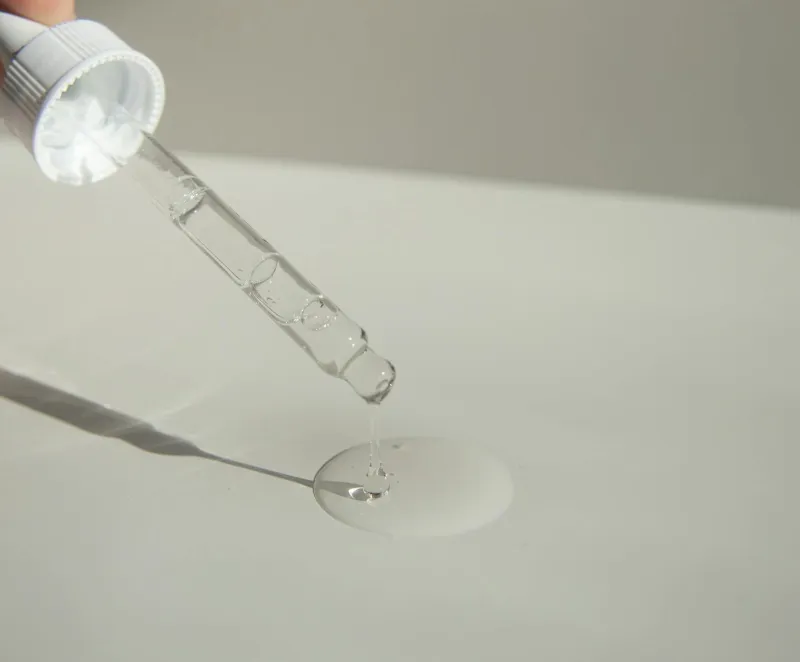
Hyaluronic Acid for Vegans & Vegetarians
Hyaluronic acid (HA) is a naturally occurring glycosaminoglycan found in skin, joints, and connective tissue. It holds water in tissues and contributes to joint lubrication and skin elasticity. Most HA supplements on the market are derived from rooster combs or other animal by-products, which immediately raises a question for vegans and vegetarians: where do you get it from?
Why Plant-Based Diets May Fall Short
The human body synthesises HA from glucose and amino acids, but dietary precursors matter. Animal-derived foods — particularly cartilage-rich broths and organ meats — provide ready-made HA and its building blocks. Plant-based diets lack these direct sources.
Beyond supply, there are other factors. Vitamin C is essential for the enzyme hyaluronan synthase to function efficiently. Zinc and magnesium also support connective tissue metabolism. Vegans who are low in these micronutrients may synthesise HA less effectively, even with adequate caloric intake.
Research on dietary patterns and HA status is still emerging, but it is reasonable to note that vegans consuming a well-rounded diet with adequate vitamin C are likely producing HA at a similar rate to omnivores — the gap is most apparent in supplemental HA intake.
Vegan-Friendly Sources
Traditional HA supplements used rooster comb extract. Today, biotechnology allows HA to be produced via microbial fermentation — typically using Streptococcus or Bacillus subtilis bacteria — making it entirely vegan. When choosing an HA supplement, check the label for "fermentation-derived" or "vegan" certification.
Food sources that support your body's own HA synthesis include:
- Magnesium-rich foods (leafy greens, seeds, legumes) — supports glycosaminoglycan biosynthesis
- Vitamin C foods (peppers, citrus, broccoli) — cofactor for hyaluronan synthase
- Zinc-containing foods (pumpkin seeds, hemp seeds, legumes) — connective tissue support
- Root vegetables such as sweet potatoes and potatoes, which contain phytonutrients that may modestly support extracellular matrix integrity
These foods do not contain HA directly, but they provide the raw materials your body needs to produce it.
Dose Targets
Fermentation-derived HA supplements typically come in capsule or tablet form. Studies examining oral HA supplementation for joint comfort and skin hydration have used doses ranging from around 80 mg to 200 mg per day (Kawada et al., 2015; Sato et al., 2012). Most commercial vegan HA products fall within this range.
Lower doses (around 80 mg/day) tend to be studied for skin outcomes, while higher doses are sometimes used for joint-related purposes. Splitting a larger dose across two meals may support absorption, though the research on timing is not conclusive.
What to Combine with Hyaluronic Acid
Combining HA with vitamin C is rational because ascorbic acid is a cofactor for HA synthesis and also participates in collagen cross-linking, which works alongside HA in the extracellular matrix. Some vegan-friendly supplements include vitamin C in the same formula.
Collagen co-supplementation is often recommended alongside HA for joint and skin support, but standard collagen is animal-derived. Vegans can look for plant-based formulas that provide the amino acids glycine, proline, and hydroxyproline precursors, or simply ensure adequate protein intake across the day.
Magnesium and zinc, taken as separate supplements if dietary intake is low, round out the connective tissue support stack without any animal-derived ingredients.
Choosing a Vegan HA Product
When browsing at maxfit.ee, look for:
- Fermentation-derived or vegan-certified HA — confirms no animal by-products
- Third-party tested formulas — especially relevant for cross-contamination concerns
- Capsule shell — check that it is cellulose (HPMC) rather than gelatin
NOW Hyaluronic Acid 50mg + MSM 60caps and 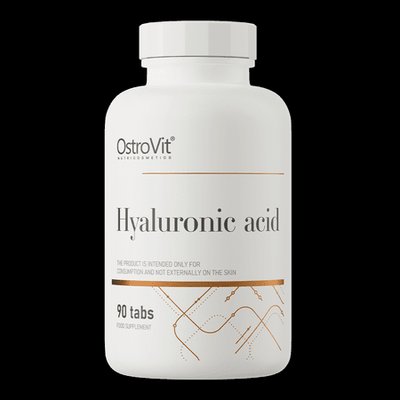 OstroVit Hyaluronic acid€12.90 In stock 90tabs are two options available at maxfit.ee; verify current labelling to confirm vegan status before purchasing.
References
Kawada, C., Yoshida, T., Yoshida, H., Matsuoka, R., Sakamoto, W., Odanaka, W., Sato, T., Yamasaki, T., Kanemitsu, T., Urushibata, O., & Tajima, K. (2014). Ingested hyaluronan moisturizes dry skin. Nutrition Journal, 13, 70. https://pubmed.ncbi.nlm.nih.gov/25014997/
Sato, T., Iwaso, H., An, M., & Tomonaga, A. (2012). Efficacy of oral hyaluronic acid preparation (Hya-Joint(R)) on knee osteoarthritis. Journal of New Remedies and Clinics, 61(1), 63-71.
Peters, R., & Jones, R. (2016). Oral hyaluronan relieves knee pain: a review of the literature. Nutrition Journal, 15, 11.
FAQ
Is hyaluronic acid suitable for vegans?
Traditional HA supplements are derived from rooster combs and are not vegan. However, fermentation-derived HA — produced using bacteria — is fully vegan. Always check the label or product description for a vegan or fermentation-derived designation before buying.
Can a vegan diet provide enough hyaluronic acid?
The body synthesises its own HA; diet does not provide it directly. A well-rounded plant-based diet rich in vitamin C, zinc, and magnesium supports your body's own HA production. Whether that matches supplemental doses studied in clinical trials is a separate question, and some vegans choose to add a fermentation-derived HA supplement for extra support.
How long does it take for oral HA supplementation to show results?
Skin hydration studies have reported measurable improvements after four to eight weeks of daily supplementation. Joint comfort outcomes tend to be assessed over eight to twelve weeks in research settings. Individual responses vary.



