
What Is Hyaluronic Acid?
Hyaluronic acid (HA) is a glycosaminoglycan found in virtually all body tissues, most abundantly in synovial joint fluid, skin, eyes, and cartilage. Its molecule can bind up to 1,000 times its own weight in water, making it the body's primary tissue hydration molecule (Papakonstantinou et al., 2012).
Hyaluronic Acid in Joints
Synovial fluid serves critical functions in joints:
- Lubrication: reduces friction between joint surfaces
- Shock absorption: protects cartilage from impact stress
- Nutrient delivery: transports nutrients to avascular cartilage tissue
As we age, HA concentration in synovial fluid decreases and becomes less viscous, contributing to joint pain and stiffness (Marder et al., 2019). Clinical studies show that oral HA supplementation can improve joint lubrication and reduce pain.
Bioavailability of Oral Supplements
High molecular weight HA molecules (over 1,000 kDa) are poorly absorbed from the gut. Supplements use hydrolysed or low molecular weight HA (10–300 kDa), which is absorbed significantly better. Research confirms that low molecular weight HA reaches systemic circulation and joint tissue (Marder et al., 2019).
Clinical Evidence
Joints
A randomised controlled trial (Oe et al., 2016) showed that 200 mg HA daily for 12 months reduced knee pain and improved mobility versus placebo. Another study (Sánchez et al., 2020) found that HA combined with collagen and chondroitin produced synergistic benefits for cartilage support.
Skin
A clinical study (Papakonstantinou et al., 2012) demonstrated that 120 mg HA daily for 12 weeks improved skin elasticity and reduced wrinkle depth. HA also appears to support skin barrier function and stratum corneum moisture.
Dosing
Clinically studied doses range from 80–300 mg per day. A typical recommendation is 120–200 mg of low molecular weight HA daily, in one or two doses.
At maxfit.ee, NOW Hyaluronic Acid 50mg + MSM 60caps combines HA with MSM for dual joint support, while 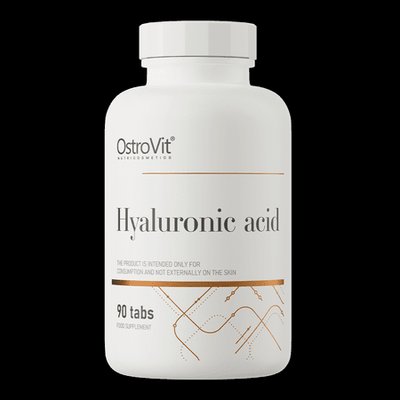 OstroVit Hyaluronic Acid€12.90 In stock 90 Tablets delivers pure HA in a tablet form. For a comprehensive skin and joint formula,
 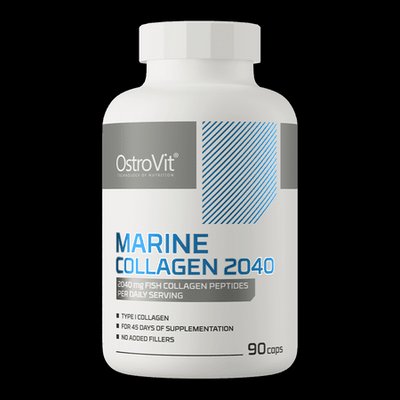 OstroVit Marine Collagen€13.90 In stock + Hyaluronic Acid + Vitamin C 200g Natural brings three synergistic actives together.
Oral Supplements vs Injections
Clinicians use direct intra-articular HA injections (viscosupplementation) for moderate-to-severe osteoarthritis. Oral supplements are less potent per dose but avoid the invasive, expensive injection procedure. Oral HA is ideal for prevention or managing mild-to-moderate joint discomfort.
HA for Skin vs Joints
| Application | Optimal Dose | Primary Goal |
|---|---|---|
| Skin health | 80–120 mg/day | Hydration, wrinkle reduction |
| Joint support | 150–300 mg/day | Lubrication, pain reduction |
| Combined | 150–200 mg/day | Both simultaneously |
FAQ
Is hyaluronic acid safe?
Yes. Hyaluronic acid has an excellent safety record. Side effects are rare and mild (occasional digestive discomfort). Pregnant or breastfeeding individuals should consult a healthcare provider before use.
Does topical HA cream replace an oral supplement?
The outer skin layer (epidermis) is an effective barrier to large molecules. Cosmetic creams mainly help retain moisture on the skin surface but do not penetrate to deeper layers or reach joints. Oral supplements work from the inside out.
When is the best time to take hyaluronic acid?
Most research has not identified a time-dependent effect. HA is generally well tolerated on an empty stomach, so it can be taken at any consistent time of day.
References
- Papakonstantinou, E., Roth, M., & Karakiulakis, G. (2012). Hyaluronic acid: A key molecule in skin aging. Dermato-Endocrinology, 4(3), 253–258.
- Oe, M., et al. (2016). Oral hyaluronan relieves knee pain: a review. Nutrition Journal, 15, 11.
- Marder, R. A., et al. (2019). Intra-articular hyaluronan injection in the treatment of osteoarthritis of the knee. American Journal of Sports Medicine, 47(6), 1460–1468.
- Sánchez, J., et al. (2020). Hyaluronic acid, collagen and chondroitin for knee osteoarthritis: a combined supplementation approach. Nutrients, 12(7), 2083.



