Why Electrolytes Are Critical for Athletes
Electrolytes — sodium, potassium, magnesium, calcium, and chloride — are minerals that carry electrical charges and govern essential bodily functions: muscle contractions, nerve signalling, and fluid balance. During training, you lose them in significant amounts through sweat.
Even a fluid loss as small as 2% of body weight can reduce performance by 10–20% and increase cramping risk (Sawka et al., 2007). Choosing the right electrolyte product isn't a flavour preference — it's a performance decision.
The Core Electrolytes and Their Roles
Sodium – The Most Critical Electrolyte
Sodium is the primary electrolyte lost in sweat: 500–1800 mg per litre of sweat (Burke & Deakin, 2015). It regulates extracellular fluid volume, drives thirst, and enhances water absorption in the gut. An electrolyte drink with inadequate sodium is significantly less effective at rehydration.
Look for products providing at least 300–600 mg of sodium per serving for intense or long-duration training.
Potassium – The Muscle Electrolyte
Potassium works in tandem with sodium to drive muscle contractions and maintain intracellular fluid balance. Potassium deficiency contributes to cramping, fatigue, and muscle weakness. Typical sweat losses range from 160–340 mg/L.
Magnesium – Over 300 Enzymatic Reactions
Magnesium is required for ATP synthesis and protein synthesis. Athletes have higher magnesium requirements and deficiency is more common in this population (Nielsen & Lukaski, 2006). An electrolyte drink containing magnesium adds an important dimension beyond basic rehydration.
Optimum Nutrition Electrolyte Lemon 264g delivers sodium, potassium, and magnesium in a balanced formula — a reliable all-rounder available at maxfit.ee.
OstroVit Isotonic Drink 1500g Pear is a cost-effective isotonic formula well suited to longer training sessions where volume counts.
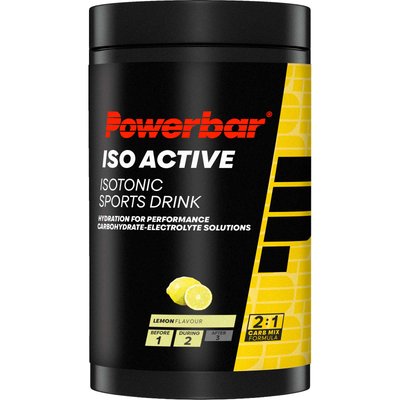 PowerBar Iso Active 600g Lemon€18.90 In stock is a classic isotonic product designed for consumption during exercise, with a solid electrolyte and carbohydrate profile.
Electrolyte Product Formats
| Format | Advantages | Disadvantages | Best Use |
|---|---|---|---|
| Powder | Cost-effective, adjustable dose | Requires mixing | Daily training |
| Tablets/capsules | Compact, portable | Slower absorption | Racing, travel |
| Ready-to-drink | Convenient, instant | Expensive, packaging waste | Short sessions |
| Electrolyte drops | Highly customisable | Not palatable alone | Personalisation |
Isotonic, Hypotonic, and Hypertonic Drinks
Isotonic (280–320 mOsm/kg): Matches blood osmolality. Absorbed quickly and replenishes both fluid and energy simultaneously. Best choice during training.
Hypotonic (<280 mOsm/kg): More dilute, absorbed faster. Best for maintaining hydration during low-intensity exercise in hot conditions.
Hypertonic (>320 mOsm/kg): High concentration. Good for energy replacement post-exercise, but may slow gastric emptying during activity.
What to Avoid
- High-sugar sports drinks: many shelf products contain more sugar than electrolytes. Always check the electrolyte quantities on the label, not just flavour.
- Minimal sodium: products with under 100 mg sodium per serving are inadequate for compensating heavy sweat losses.
- Artificial colours and excessive preservatives: add no nutritional value and some individuals are sensitive.
Practical Tips for Estonian Training Conditions
Estonian summers combine humidity and warmth, increasing sweat rates substantially. Indoor winter training results in lower sweat loss, but electrolytes remain beneficial for maintaining muscle tone and preventing early fatigue.
Browse the full electrolyte range at MaxFit.ee: /en/category/elektroluudid.
FAQ
Can I replenish electrolytes with coconut water?
Coconut water contains useful potassium and small amounts of sodium, but its sodium content is too low to fully replace what's lost in heavy sweat sessions. It works for light activity, not intense training.
How many electrolytes do I need per hour of training?
This depends heavily on your sweat rate, temperature, and exercise intensity. A general guideline: 400–800 mg sodium per hour for intense exercise. Individual variation is substantial — athletes with high sweat rates or salty sweaters need more.
Do electrolytes prevent cramps?
Sodium deficiency is a contributing factor to exercise-associated cramping, but cramping is multifactorial — dehydration, fatigue, and neuromuscular factors all play a role. Electrolytes help, but are not a universal cure.
References
- Sawka, M. N., Burke, L. M., Eichner, E. R., Maughan, R. J., Montain, S. J., & Stachenfeld, N. S. (2007). American College of Sports Medicine position stand: exercise and fluid replacement. Medicine & Science in Sports & Exercise, 39(2), 377–390.
- Burke, L. M., & Deakin, V. (Eds.). (2015). Clinical Sports Nutrition (5th ed.). McGraw-Hill Education Australia.
- Nielsen, F. H., & Lukaski, H. C. (2006). Update on the relationship between magnesium and exercise. Magnesium Research, 19(3), 180–189.
- Shirreffs, S. M., & Sawka, M. N. (2011). Fluid and electrolyte needs for training, competition, and recovery. Journal of Sports Sciences, 29(Suppl 1), S39–S46.