What Is HMB?
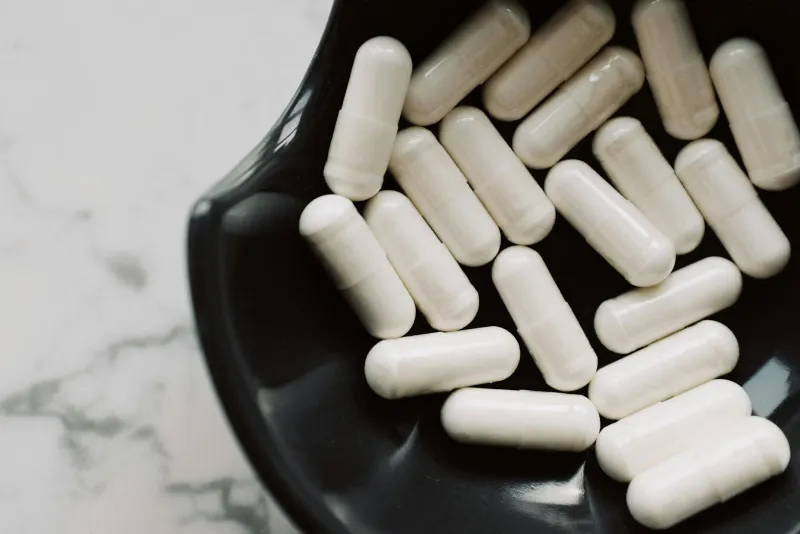
HMB, or beta-hydroxy beta-methylbutyrate, is a natural compound produced in the body from the metabolism of the amino acid leucine (one of the three BCAAs). Approximately 5% of dietary leucine is converted to HMB. While HMB is found in small amounts in citrus fruits, alfalfa, and fish, reaching research-backed doses (3 g/day) through food alone would be impractical.
HMB has been the subject of controversy in sports nutrition science: the original 1996 study (Nissen et al.) showed dramatic muscle mass gains, but later research produced more mixed results. Today, HMB has a clear niche — particularly in untrained individuals, older adults, and athletes under heavy training loads.
How Does HMB Work?
HMB regulates muscle protein synthesis and breakdown through several mechanisms:
Anti-catabolism (muscle breakdown inhibition)
HMB inhibits the ubiquitin-proteasome pathway — the primary mechanism of muscle tissue breakdown during intense exercise, illness, or caloric deficit. By reducing muscle proteolysis (protein degradation), HMB helps preserve lean body mass (Smith et al., 2004).
Protein Synthesis
HMB activates the mTOR signaling pathway (mechanistic target of rapamycin) — the primary regulator of muscle protein synthesis. In short: HMB signals mTOR to build muscle.
Cell Membrane Support
HMB is an intermediate in cholesterol biosynthesis. Through this pathway, it supports the integrity and metabolic function of muscle cell membranes, which is especially important during eccentric exercise (exercise-induced cell damage).
Who Benefits Most from HMB?
HMB's effectiveness is best documented in specific groups:
Untrained or Beginner Athletes
People new to resistance training experience greater muscle damage and DOMS. Studies show HMB significantly reduces muscle damage markers (CK, LDH) and accelerates recovery in this group (Wilson et al., 2014).
Weight Loss and Caloric Deficit
During fat loss phases, muscle mass loss is the primary risk. HMB has demonstrated the ability to preserve lean body mass even during a caloric deficit, particularly when combined with regular training. This is one of HMB's most practical applications in modern sports nutrition.
Older Athletes (Sarcopenia Prevention)
In individuals over 60, HMB's effect on muscle mass and functional strength is most extensively studied. For preventing sarcopenia (age-related muscle loss), HMB is recommended as a supplement, especially when training capacity is limited (Flakoll et al., 2004).
Competitive Athletes During Intense Training Blocks
During high training volume periods (overreaching risk), HMB may help reduce muscle damage and speed recovery.
Research Summary
| Group | Key Finding | Reference |
|---|---|---|
| Untrained men | Muscle mass +0.8 kg, fat mass -1.1 kg vs placebo | Nissen et al., 1996 |
| Elderly (+65) | Muscle mass loss reduced by 58% | Flakoll et al., 2004 |
| Intense strength training | Reduction in muscle damage markers | Wilson et al., 2014 |
| Caloric deficit | Better lean mass retention | Slater & Jenkins, 2000 |
HMB-Ca vs HMB Free Acid
HMB comes in two primary forms:
- HMB-Ca (calcium salt): most studied, slower absorption, less expensive
- HMB free acid (FA): faster absorption, higher plasma peak, preferred for pre-workout acute use
Both forms are effective, but HMB-FA may deliver faster results for short-term use.
Optimal Dosing
| Goal | Dose | Schedule |
|---|---|---|
| Muscle damage reduction | 3 g/day | 3 × 1 g |
| Lean mass preservation (caloric deficit) | 3 g/day | 3 × 1 g |
| Pre-workout acute use (HMB-FA) | 1–2 g | 30–60 min before training |
| Recovery support | 3 g/day | Consistently |
Most research uses 3 g/day split into three doses. Fastest results come from 4–6 weeks of consistent use.
Top HMB Products at MaxFit
OstroVit HMB 210g Naturaalne is a pure HMB powder without additives — flexible dosing with excellent value for daily use. In capsule form, OstroVit HMB 2250 150 Caps is a convenient solution for precise dosing without weighing powder.
Find both in the EAA and amino acids category at maxfit.ee.
Smart Combinations
- Creatine monohydrate — both support muscle mass and recovery through different mechanisms; together one of the most popular muscle protection stacks
- Vitamin D — vitamin D also plays a role in sarcopenia prevention; combined with HMB this is a particularly effective stack for older athletes
- Protein (whey, casein) — high-leucine protein and HMB both support the mTOR pathway; together they maximize muscle protein synthesis
- L-leucine — since HMB is a leucine metabolite, high-leucine products (whey isolate, BCAA) combined with HMB may deliver an enhanced anti-catabolic effect
HMB's Limitations — Honest Assessment
HMB is not a universal muscle builder. Its effect is smallest in:
- Experienced strength athletes who already consume adequate protein
- Athletes with optimal diet and recovery and no caloric deficit
HMB is therefore more of a "retention" supplement (protecting what you already have) than an aggressive anabolic agent. Expectations should be calibrated accordingly.
Safety
HMB has been extensively studied for safety. The International Society of Sports Nutrition (ISSN) classifies HMB in the highest safety category (strong evidence). No adverse effects have been observed at up to 6 g/day for 8 weeks. No known interactions with medications.
Conclusion
HMB is an effective anti-catabolic supplement whose primary value lies in protecting muscle mass — especially during caloric deficit, early training phases, and with aging. The anabolic effect in experienced athletes training regularly is modest, but muscle damage reduction applies to this group as well. Dosing is straightforward: 3 g/day split into three servings. Find your preferred product at maxfit.ee.
FAQ
Is HMB as effective as steroids?
No — HMB is a natural supplement with modest, cumulative effects. It cannot compete with pharmacological anabolic agents in terms of raw muscle mass gains. HMB's value is in reducing muscle damage and anti-catabolic protection, not aggressive anabolism.
Do I need HMB if I get enough protein?
If you consume adequate leucine-rich protein (whey protein isolate, eggs, meat), HMB's additional effect for an experienced athlete is modest. HMB is most useful for those consuming less protein (during caloric deficit, with aging) or in early training phases.
How long should you take HMB?
First results in recovery and muscle damage reduction appear within 2–4 weeks. For preserving lean mass during a caloric deficit, it is recommended to use it throughout the entire deficit period.
References
- Nissen, S., Sharp, R., Ray, M., Rathmacher, J. A., Rice, D., Fuller, J. C., & Jessen, J. (1996). Effect of leucine metabolite beta-hydroxy-beta-methylbutyrate on muscle metabolism during resistance-exercise training. Journal of Applied Physiology, 81(5), 2095–2104.
- Flakoll, P., Sharp, R., Baier, S., Levenhagen, D., Carr, C., & Nissen, S. (2004). Effect of beta-hydroxy-beta-methylbutyrate, arginine, and lysine supplementation on strength, functionality, body composition, and protein metabolism in elderly women. Nutrition, 20(5), 445–451.
- Wilson, J. M., Lowery, R. P., Joy, J. M., Andersen, J. C., Wilson, S. M., Stout, J. R., & Rathmacher, J. (2014). The effects of 12 weeks of beta-hydroxy-beta-methylbutyrate free acid supplementation on muscle mass, strength, and power in resistance-trained individuals. European Journal of Applied Physiology, 114(6), 1217–1227.
- Smith, H. J., Wyke, S. M., & Tisdale, M. J. (2004). Mechanism of the attenuation of proteolysis-inducing factor stimulated protein degradation in muscle by beta-hydroxy-beta-methylbutyrate. Cancer Research, 64(23), 8731–8735.



