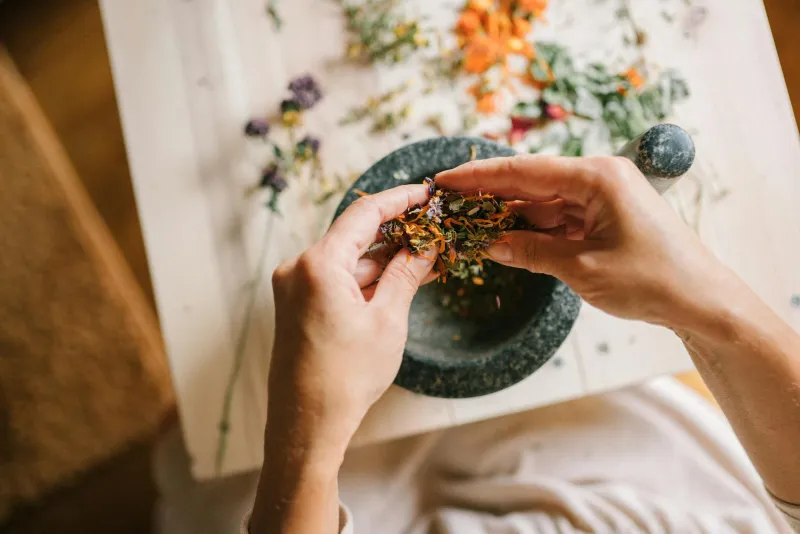
Age-Related Need for Herbal Supplements
Herbal supplements for seniors represent a growing area of interest as the population over 50 seeks natural approaches to support healthy ageing. After the age of 50, several physiological changes occur that influence both why people seek herbal support and how effectively their bodies process it.
Joint discomfort, reduced energy levels, changes in sleep quality, cardiovascular health concerns, and cognitive maintenance are among the most common reasons adults in this age group turn to herbal products. Some of the most researched options – including ashwagandha, ginkgo biloba, milk thistle, turmeric, and valerian – have accumulating clinical evidence, though the quality and applicability of that evidence varies considerably.
At maxfit.ee, the herbal supplements category includes several products suited to adults over 50 who want to complement a healthy lifestyle.
Absorption Changes After 50
Ageing affects supplement pharmacokinetics in ways that matter for dosing and safety:
- Gastric acid production declines, which can reduce absorption of certain minerals and may affect the solubility of herbal compounds
- Liver function gradually changes, slowing the metabolism of many compounds and potentially increasing both efficacy and toxicity risk at standard doses
- Kidney clearance decreases, meaning some metabolites are excreted more slowly
- Body composition shifts (more fat, less lean mass) alter the distribution volumes of fat-soluble herbal constituents
These changes collectively mean that doses suitable for a 35-year-old may behave differently in a 65-year-old. Starting with lower doses and monitoring for effects is a prudent approach for older adults.
Key Herbs and What the Evidence Shows
Ashwagandha (Withania somnifera): One of the most studied adaptogens. An RCT in stressed adults found that supplementation reduced perceived stress and cortisol levels (Chandrasekhar et al., 2012). Relevant for older adults managing age-related stress and fatigue. OstroVit KSM-66 Ashwagandha VEGE 120caps and BIOTECHUSA Ashwagandha 60 caps are available at maxfit.ee.
Ginkgo biloba: Studied for cognitive support, particularly memory and circulation. Evidence for dementia prevention is not conclusive, but some trials suggest modest benefits for cognitive function in healthy older adults. Product: 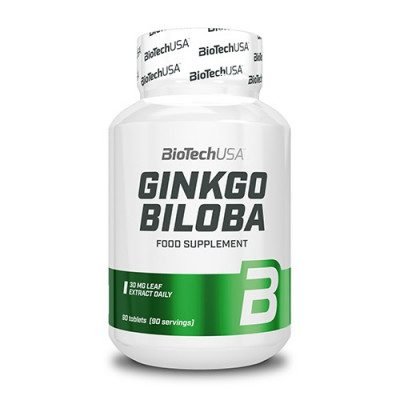 BIOTECHUSA Ginkgo Biloba€18.90 In stock 90tabs available on maxfit.ee.
Turmeric (curcumin): Has anti-inflammatory properties supported by several RCTs. A meta-analysis found curcumin supplementation associated with reduced markers of inflammation (Tabrizi et al., 2019). Absorption is low from standard extracts – piperine (black pepper) combinations improve bioavailability.
Milk thistle (silymarin): Widely used for liver support. Clinical trials support its use in various liver conditions, though evidence in otherwise healthy older adults is less robust.
Valerian: Used for sleep quality. Evidence is mixed but some trials find modest benefits for sleep latency without the dependency risk of pharmaceutical sleep aids.
Dose and Safety Considerations
The general principle for herbal supplementation in older adults is "start low, go slow." Many herbals have not been specifically tested in populations over 65, and extrapolating adult doses directly may not be appropriate.
Key safety considerations:
- Herbal products can affect blood pressure, blood glucose, and bleeding time – relevant for older adults managing these parameters
- Some herbs inhibit or induce cytochrome P450 enzymes in the liver, affecting how pharmaceutical drugs are metabolised
- Herbal products may affect platelet aggregation – a concern pre-operatively or alongside anticoagulants
Interactions with Medication
This is the most critical safety concern for seniors. Several commonly used herbs have clinically significant drug interactions:
- St John's Wort is the most established example: it strongly induces CYP3A4 and can reduce plasma levels of many drugs including antidepressants, statins, anticoagulants, and contraceptives (Henderson et al., 2002)
- Ginkgo biloba may increase bleeding risk when combined with anticoagulants such as warfarin or direct oral anticoagulants
- Ashwagandha may potentiate thyroid medications
- Valerian may enhance the sedative effects of benzodiazepines and other CNS depressants
Anyone over 50 taking prescription medications should discuss herbal supplement use with their physician or pharmacist before starting. This is not optional – it is a genuine safety requirement.
When to Supplement
Herbal supplements are most appropriate as complements to, not replacements for, conventional medical care. They may be suitable when:
- Conventional treatment is not addressing a symptom adequately (and the physician is aware)
- As part of a preventive wellness approach for healthy individuals
- When evidence supports a specific use at a reasonable dose with a known safety profile
If a symptom is new, worsening, or unexplained, the first step is medical evaluation – not supplementation.
Bottom Line
Herbal supplements can be a valuable part of a wellness strategy for adults over 50, but require more care than in younger age groups. Ageing changes how the body handles these compounds, and the risk of drug interactions is real. Focus on well-studied herbs like ashwagandha and turmeric, start at conservative doses, and always inform your healthcare provider.
References
Chandrasekhar, K., Kapoor, J., & Anishetty, S. (2012). A prospective, randomized double-blind, placebo-controlled study of safety and efficacy of a high-concentration full-spectrum extract of Ashwagandha root in reducing stress and anxiety in adults. Indian Journal of Psychological Medicine, 34(3), 255–262. https://pubmed.ncbi.nlm.nih.gov/23439798/
Tabrizi, R., Vakili, S., Akbari, M., Mirhosseini, N., Lankarani, K. B., Mortazavian, S., Hoffman, D., Asemi, Z., Rajabi, H. R., Mosleh, N., & Mansournia, M. A. (2019). The effects of curcumin-containing supplements on biomarkers of inflammation and oxidative stress. Phytotherapy Research, 33(2), 253–262. https://pubmed.ncbi.nlm.nih.gov/30402990/
Henderson, L., Yue, Q. Y., Bergquist, C., Gerden, B., & Arlett, P. (2002). St John's wort (Hypericum perforatum): drug interactions and clinical outcomes. British Journal of Clinical Pharmacology, 54(4), 349–356. https://pubmed.ncbi.nlm.nih.gov/12392581/
FAQ
Are herbal supplements safe for people over 70?
Some are, with appropriate caution. The same principles apply with even more emphasis: lower starting doses, careful review of drug interactions, and open communication with the prescribing physician. Older adults often take multiple medications simultaneously, increasing interaction risk. Always consult a healthcare provider before starting any herbal supplement.
Can I take ashwagandha if I have high blood pressure?
Ashwagandha has been studied for stress reduction and some data suggest it may modestly lower blood pressure in stressed individuals. If you are already on antihypertensive medication, discuss with your doctor before adding ashwagandha, as the combined effect on blood pressure needs to be monitored. Do not use ashwagandha as a replacement for prescribed blood pressure treatment.
How long do herbal supplements take to work for seniors?
Most adaptogens and herbal supplements require consistent use over several weeks before effects become noticeable. Ashwagandha studies typically show measurable changes after 8 weeks of supplementation. Ginkgo biloba trials have evaluated periods of 12–24 weeks. Expecting immediate results is unrealistic for most herbal interventions.



