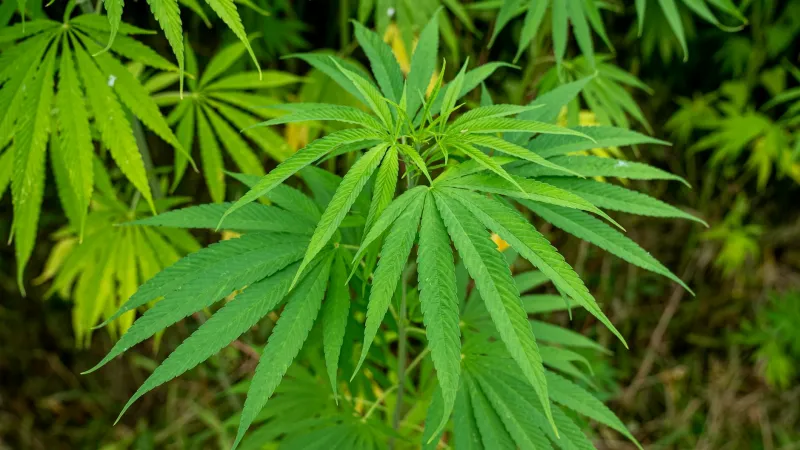
What Is Hemp Protein?
Hemp protein is derived from the seeds of industrial hemp (Cannabis sativa) — seeds are cold-pressed to extract hemp oil, and the remaining cake is ground into a fine powder. Crucially, industrial hemp seeds contain no THC (tetrahydrocannabinol) — that compound is found in leaves and flowers, not the seed kernel.
Hemp protein's protein content is lower than pea or rice protein — typically 40–60% by dry weight — but this is offset by a uniquely comprehensive nutritional profile.
Amino Acid Profile
Hemp protein's most notable distinction: it is a complete protein containing all 9 essential amino acids. This is rare among plant proteins.
| Amino Acid | Hemp Protein (per 100g protein) |
|---|---|
| Leucine | ~6.0 g |
| Arginine | ~12.0 g (high!) |
| Glutamine | ~14.5 g (high!) |
| Methionine | ~2.5 g |
| Lysine | ~4.2 g (moderate) |
Arginine content is exceptionally high — the body synthesises nitric oxide from arginine, which dilates blood vessels and improves blood flow during training (Paddon-Jones et al., 2004).
Omega-3 Fatty Acids: What Other Plant Proteins Don't Offer
Hemp protein's greatest differentiator is its omega-6:omega-3 ratio — approximately 3:1, which is close to ideal. Most Western diets contain excess omega-6, promoting inflammatory processes.
Regular hemp protein consumption may help correct this imbalance (Deferne & Pate, 1996). Particularly useful for:
- Athletes with chronic inflammation from muscle overuse
- People with omega-3-poor diets
- Vegetarians who don't eat fish
Fibre Content
Hemp protein has the highest fibre content of any plant protein powder — 7–12 g per serving. This is significant for digestion:
- Supports gut microbiome diversity
- Slows sugar absorption
- Creates longer-lasting satiety
The high fibre content means hemp protein is less efficient as a pure muscle-building protein (lower protein concentration), but this is offset by its holistic nutritional profile.
Digestibility
Hemp protein digests well compared to other plant proteins — hemp seeds lack the antinutrients found in legumes like peas. PDCAAS is ~0.63–0.70, a good result for a plant protein.
Note: the "hemp cake" remaining after oil pressing contains more fibre and some antinutrients, but these are partially removed depending on processing level.
Who Is Hemp Protein For?
- Vegans/vegetarians: Complete amino acid profile without animal products
- Reducing inflammation: Complementing omega-3-rich nutrition
- Digestive support: Adding fibre to daily intake
- Athletes seeking variety: Protein plus fatty acids and minerals in one product
Hemp Protein vs Other Plant Proteins
| Property | Hemp Protein | Pea Protein | Rice Protein |
|---|---|---|---|
| Protein content | 40–60% | 80–90% | 70–80% |
| Omega-3 | High | Minimal | Minimal |
| Fibre | High | Low | Low |
| Complete protein? | Yes | Near-complete | No |
| Allergen risk | Low | Low | Low |
Taste and Use
Hemp protein has a strong nutty flavour and coarser texture that doesn't dissolve as smoothly as whey or pea protein. Works well:
- Blended into smoothies
- Sprinkled over oatmeal instead of nut butter
- Added to baked goods
Find the plant-based protein range at maxfit.ee including hemp protein blends.
Summary
Hemp protein is a unique plant protein that stands out for its fibre and omega-3-rich composition. Lower protein concentration means larger servings are needed for muscle building, but the holistic nutritional profile makes it an excellent addition to a diverse athletic diet.
FAQ
Does taking hemp protein cause euphoria?
No — industrial hemp seeds contain under 0.3% THC, which is negligible. Consuming hemp protein does not cause psychoactive effects.
Is hemp protein the most complete plant protein?
Functionally, hemp protein has a complete amino acid profile, but its leucine content is lower than pea protein. For best muscle-building results, a pea + rice protein combination still wins on leucine delivery.
Is hemp protein safe during pregnancy?
Hemp protein is generally considered safe, but pregnant women should consult a healthcare provider before adding any supplement to their diet.
References
- Deferne, J. L., & Pate, D. W. (1996). Hemp seed oil: a source of valuable essential fatty acids. Journal of the International Hemp Association, 3(1), 4–7.
- Paddon-Jones, D., Børsheim, E., & Wolfe, R. R. (2004). Potential ergogenic effects of arginine and creatine supplementation. The Journal of Nutrition, 134(10), 2888S–2894S.
- Gorissen, S. H., Crombag, J. J., Senden, J. M., Waterval, W. H., Bierau, J., Verdijk, L. B., & van Loon, L. J. (2018). Protein content and amino acid composition of commercially available plant-based protein isolates. Amino Acids, 50(12), 1685–1695.
- House, J. D., Neufeld, J., & Leson, G. (2010). Evaluating the quality of protein from hemp seed products through the use of the protein digestibility-corrected amino acid score method. Journal of Agricultural and Food Chemistry, 58(22), 11801–11807.



