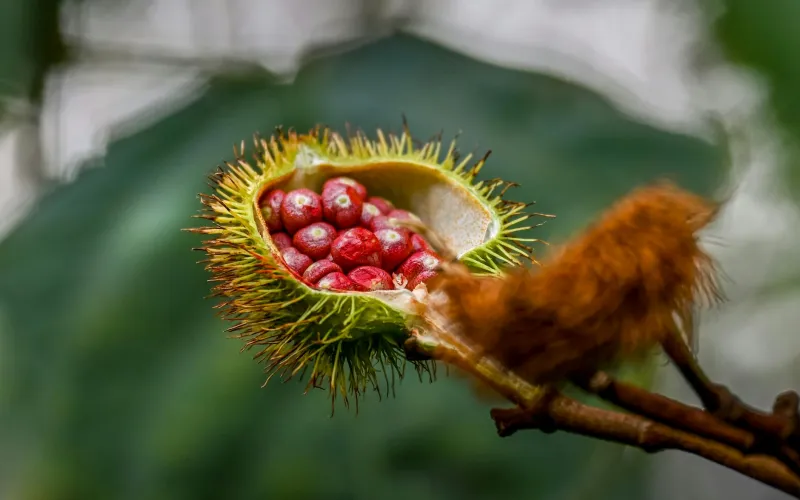
Guarana Research Update: What the Evidence Shows
Guarana (Paullinia cupana) is a caffeine-rich seed from the Amazon Basin that has attracted serious scientific attention over the past decade. Unlike coffee, guarana delivers caffeine alongside tannins, theobromine, and theophylline -- a combination that may influence how the caffeine is absorbed and experienced.
What Recent Trials Show
The most consistent finding in recent research is that guarana supports alertness and short-term cognitive performance. A double-blind crossover trial by Kennedy et al. (2004) found that guarana supplementation improved secondary memory performance and reduced mental fatigue scores compared to placebo.
For physical performance, the evidence points to modest but real effects. Caffeine is one of the best-documented ergogenic aids in sports nutrition, and the caffeine delivered through guarana appears to act through the same adenosine-receptor pathway. A systematic review by Grgic et al. (2020) confirmed that caffeine improves muscular endurance and power output in resistance-trained individuals, effects that are plausibly shared by caffeine-containing guarana preparations (Grgic et al., 2020).
At maxfit.ee, products such as OstroVit Guarana Extract 100g and OstroVit Guarana VEGE 90tabs are among the options athletes use to incorporate guarana into their daily routines. You can browse the full selection in the guarana energy category.
Shifts in Consensus
Earlier research framed guarana almost exclusively as a stimulant. The emerging view is more nuanced: the polyphenol fraction (catechins, epicatechins) may contribute antioxidant and neuroprotective properties independent of caffeine. A review by Schimpl et al. (2013) highlighted that guarana extracts with matched caffeine content produced different acute effects than isolated caffeine, suggesting the plant matrix matters (Schimpl et al., 2013).
Consensus has also shifted on safety. Regulatory agencies treat guarana as generally safe at typical supplement doses, and recent meta-analyses have not flagged new cardiovascular concerns at doses equivalent to moderate coffee intake.
Still-Open Questions
Several questions remain genuinely unresolved:
- Long-term cognitive effects: Most trials are acute (single-dose); whether repeated guarana use sustains cognitive benefits or leads to tolerance at the same rate as coffee is not established.
- Optimal standardization: Commercial extracts vary widely in caffeine content, making dose comparisons across studies difficult.
- Interaction with training load: It is unclear whether high-volume athletes benefit differently from guarana compared to recreational exercisers.
- Non-caffeine fractions: The tannin and polyphenol contribution remains undercharacterized in human trials.
What It Means Practically
For most people, guarana is a reasonable alternative to coffee or isolated caffeine when they prefer a natural-source stimulant. The key practical points:
- Check the standardization: Products declaring caffeine percentage allow meaningful dose control.
- Timing matters: Taking guarana within 60 minutes before training or cognitive tasks aligns with the pharmacokinetic peak, though the tannin content may slow absorption slightly.
- Tolerance and cycling: Regular caffeine users should account for existing tolerance. A periodic two-week break can restore sensitivity.
- Stacking caution: Combining guarana with other caffeine sources can easily push total caffeine above recommended levels.
Bottom Line
Guarana is a well-tolerated, evidence-backed natural caffeine source with a plausible advantage over isolated caffeine due to its broader phytochemical profile. The core benefit -- improved alertness and short-duration exercise performance -- is supported by the caffeine literature. Claims about unique superiority over coffee or isolated caffeine remain speculative. For athletes and active people in Estonia, guarana supplements available at maxfit.ee are a legitimate tool when used at sensible doses with attention to total daily caffeine intake.
References
Kennedy, D. O., Haskell, C. F., Wesnes, K. A., & Scholey, A. B. (2004). Improved cognitive performance in human volunteers following administration of guarana (Paullinia cupana) extract: comparison and interaction with Panax ginseng. Pharmacology Biochemistry and Behavior, 79(3), 401-411.
Grgic, J., Grgic, I., Pickering, C., Schoenfeld, B. J., Bishop, D. J., & Pedisic, Z. (2020). Wake up and smell the coffee: caffeine supplementation and exercise performance -- an umbrella review of 21 published meta-analyses. British Journal of Sports Medicine, 54(11), 681-688. https://pubmed.ncbi.nlm.nih.gov/30926628/
Schimpl, F. C., da Silva, J. F., Goncalves, J. F., & Mazzafera, P. (2013). Guarana: revisiting a highly caffeinated plant from the Amazon. Journal of Ethnopharmacology, 150(1), 14-31. https://pubmed.ncbi.nlm.nih.gov/23981847/
FAQ
Is guarana stronger than coffee?
Guarana seeds contain more caffeine by dry weight than coffee beans, but finished supplements are standardized to varying levels. The broader phytochemical mix may modulate absorption, but robust head-to-head comparisons with coffee are limited.
Can guarana improve my workout?
Through its caffeine content, guarana can improve alertness, delay fatigue, and modestly enhance short-duration power output. These effects are in line with the well-established caffeine ergogenics literature. Results depend on individual caffeine sensitivity and existing tolerance.
How much guarana should I take?
Dose recommendations depend on the product's caffeine standardization. Always confirm the caffeine content stated on the label and account for other caffeine sources in your diet before stacking.



