What Is Guarana and Why Do People Take It Long-Term?
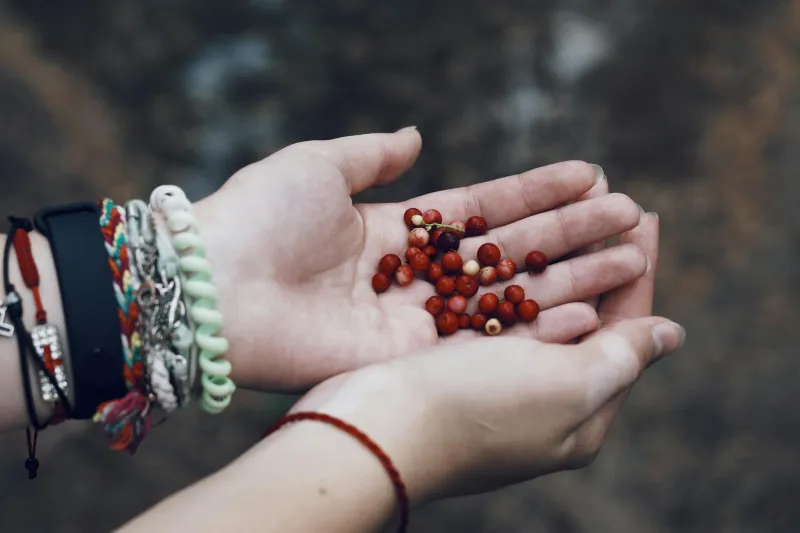
Guarana (Paullinia cupana) is a plant native to the Amazon basin whose seeds contain caffeine — typically at a higher concentration by weight than coffee beans. Beyond caffeine, guarana seeds contain theobromine, theophylline, and a range of tannins and polyphenols that may modulate how caffeine is absorbed and metabolised.
Many people take guarana regularly for sustained energy and cognitive sharpness. The slow-release nature of guarana's tannin-bound caffeine is often cited as a reason why its energy effect feels more gradual than a coffee shot. But what happens with guarana long term?
What Long-Term Studies Show
Dedicated multi-year guarana trials are sparse. The bulk of evidence consists of shorter interventions — typically 4–12 weeks — and epidemiological data from guarana-consuming populations in Brazil. A population study of older adults in the Brazilian Amazon found that habitual guarana consumers had better cognitive scores and lower rates of metabolic disorders compared to non-consumers, though observational design limits causal conclusions (Krewer et al., 2011).
Because guarana's primary bioactive is caffeine, the long-term safety literature for caffeine is relevant. Moderate habitual caffeine intake has not been linked to adverse cardiovascular outcomes in healthy adults across multiple large cohort studies, and some data suggest modest protective effects on certain metabolic markers.
One important distinction: guarana's polyphenol and tannin fraction may blunt peak caffeine absorption, potentially reducing the cardiovascular spike associated with equivalent doses of pure caffeine (Moustakas et al., 2015).
Upper Safe Limits Over Time
No regulatory body has set a specific tolerable upper limit for guarana independently of caffeine. EFSA and Health Canada both recognise up to 400 mg caffeine per day as generally safe for non-pregnant healthy adults. Since guarana seed extract potency varies considerably between products, checking the caffeine content per serving listed on the product label is essential before stacking multiple caffeinated supplements.
OstroVit Guarana Extract 100g and OstroVit Guarana VEGE 90tabs, available at maxfit.ee, both carry serving-size information that makes it straightforward to track total daily caffeine intake.
Do You Need to Cycle Guarana?
Physiological caffeine tolerance develops with regular use — adenosine receptors up-regulate in response to chronic blockade, meaning the stimulant effect diminishes over weeks of continuous use. This is not unique to guarana; it applies to all caffeine sources.
Cycling — periodic abstention — is a common practical approach to restoring sensitivity. A typical pattern used by regular users involves taking a week off every 4–8 weeks, though evidence that this is strictly necessary for safety (as opposed to efficacy) is limited. The primary safety concern with long-term use is not toxicity at moderate doses but dependence-related withdrawal symptoms (headache, fatigue) when stopping abruptly after sustained high intake.
Monitoring
People taking guarana long-term alongside other caffeinated products should periodically track their total daily caffeine intake. Signs of excessive intake include persistent insomnia, heart palpitations, anxiety, and elevated resting heart rate. Those with cardiovascular conditions, anxiety disorders, or pregnancy should consult a healthcare professional before sustained guarana use.
Honest Verdict
At moderate doses matched to label guidance, long-term guarana use appears to carry a similar risk profile to habitual moderate coffee consumption. The available evidence does not flag unique toxicity concerns beyond what is already known about caffeine. Cycling is sensible for maintaining efficacy, though not strictly required for safety at reasonable doses. As always, total caffeine from all sources — not just guarana — is the number to watch.
References
Krewer, C.C., Ribeiro, E.E., Ribeiro, E.A.M., Morrone, M.S., Moresco, K.S., Ugalde, A.A., Bochi, G.V., Montagner, G.F.F.S., Ribeiro, M.R.L., & Goncalves, T.L. (2011). Habitual intake of guarana and metabolic morbidities: an epidemiological study of an elderly Amazonian population. Phytotherapy Research, 25(9), 1367–1374. https://pubmed.ncbi.nlm.nih.gov/21341338/
Moustakas, D., Mezzio, M., Rodriguez, B.R., Constable, M.A., Mulligan, M.E., & Voura, E.B. (2015). Guarana provides additional stimulation over caffeine alone in the planarian model. PLoS ONE, 10(4), e0123310. https://pubmed.ncbi.nlm.nih.gov/25880065/
FAQ
Is guarana safer than coffee for long-term daily use?
Guarana and coffee both deliver caffeine as their primary active compound. Guarana's tannins may slow caffeine absorption and smooth the energy curve, but there is no evidence that either is fundamentally safer than the other at equivalent caffeine doses. Individual tolerance varies.
Can I take guarana every day without a break?
Prolonged daily use will lead to tolerance development, reducing the perceived effect. A periodic break of 5–7 days every 4–8 weeks is a pragmatic approach, though not strictly required for safety at moderate caffeine intakes.
Does guarana long term affect blood pressure?
Caffeine from any source produces a transient increase in blood pressure, which typically attenuates with habitual use as tolerance develops. People with hypertension or cardiovascular conditions should monitor their response and consult a doctor before sustained use.



