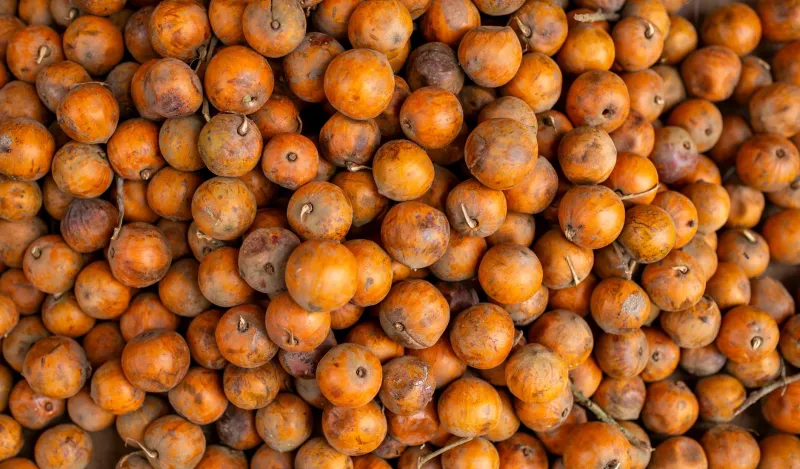
Guarana Interactions: Drugs, Nutrients & Foods
Guarana (Paullinia cupana) is a climbing plant native to the Amazon basin whose seeds contain one of the highest concentrations of caffeine found in any plant — typically two to four times the caffeine content by weight of coffee beans. Its caffeine content is the primary driver of its effects and the source of most guarana interactions with drugs, other substances and food. Understanding these interactions is important for anyone who supplements with guarana alongside other caffeine sources, medications or specific health conditions.
Drug Interactions
Warfarin and anticoagulants
Caffeine, and specifically chlorogenic acids and other polyphenols in guarana, may modestly inhibit platelet aggregation and alter anticoagulation parameters. A review by Haller et al. (2002) noted that stimulant herbal products containing caffeine warrant caution in patients on anticoagulants. While the effect is typically mild, patients on warfarin should maintain consistent guarana intake and discuss it with their prescriber.
MAO inhibitors (MAOIs)
Caffeine metabolism is partially mediated by CYP1A2. MAOIs can alter the metabolism of caffeine and increase its plasma half-life, potentially intensifying and prolonging stimulant effects. Combining guarana (or any high-caffeine supplement) with MAOIs is associated with risk of cardiovascular events and should be avoided.
Stimulant medications (e.g. ADHD medications)
Combining guarana with amphetamine-based ADHD medications or other stimulants creates an additive CNS stimulant load, increasing heart rate, blood pressure and anxiety risk. This combination requires explicit medical discussion.
Antibiotics (fluoroquinolones such as ciprofloxacin)
Fluoroquinolone antibiotics inhibit CYP1A2 — the primary enzyme responsible for caffeine metabolism. Taking guarana while on ciprofloxacin can substantially raise plasma caffeine levels and prolong its effects. A pharmacokinetic study by Staib et al. (1988) documented this interaction for caffeine and its implications extend to guarana as a caffeine source.
Adenosine-based drugs
Caffeine is a competitive antagonist of adenosine receptors. Drugs that rely on adenosine signalling (e.g. regadenoson, used in cardiac stress testing) may have their effects blunted by concurrent guarana/caffeine use. Patients undergoing cardiac testing should avoid all caffeine sources for at least twelve hours prior.
Nutrient Competition and Synergy
Iron absorption
The tannins in guarana — like those in coffee and tea — can bind dietary iron and reduce its absorption when consumed with meals. A pooled analysis by Zijp et al. (2000) confirmed that plant polyphenols, including tea and coffee tannins, meaningfully inhibit non-haem iron absorption. Space guarana away from iron supplements or iron-rich meals by at least one to two hours.
Calcium and bone
High caffeine intake is associated with modest increases in urinary calcium excretion. At the doses present in a typical guarana supplement, this is a minor concern for healthy adults, but individuals with low bone density or low calcium intake should be mindful of total daily caffeine from all sources.
B vitamins
Guarana contains small amounts of B vitamins alongside its caffeine. These do not create meaningful interactions at supplement doses but contribute marginally to daily intake.
Other stimulants (caffeine, synephrine, ephedra)
Guarana is a caffeine source — combining it with coffee, pre-workout supplements already containing caffeine, or weight-loss products containing synephrine adds up quickly. Keeping total daily caffeine from all sources within sensible limits reduces the risk of palpitations, anxiety and sleep disruption.
Food Effects
- Coffee, tea, energy drinks: all are additional caffeine sources. A guarana supplement taken on top of two or three cups of coffee and an energy drink creates a substantial cumulative caffeine load.
- Alcohol: caffeine can mask the subjective sedation of alcohol, which may lead individuals to underestimate their level of intoxication. This is a behavioural interaction rather than a direct pharmacokinetic one.
- High-fat or high-fibre meals: both may slow gastric emptying and slightly delay the absorption of guarana's caffeine, producing a more gradual onset of effects.
- Grapefruit: grapefruit inhibits CYP3A4 but has limited effect on CYP1A2; its interaction with caffeine is minor compared with fluoroquinolones.
Who Must Be Cautious
- Pregnant women: current guidance from health authorities recommends limiting total caffeine intake during pregnancy. Guarana should not be used as an additional caffeine source beyond coffee and tea.
- People with heart arrhythmias: caffeine can trigger arrhythmias in susceptible individuals.
- Anxiety disorder sufferers: caffeine is a known anxiety exacerbator.
- Adolescents: energy supplement use in teenagers warrants parental and clinical guidance given developing cardiovascular and neurological systems.
- People on MAOIs or fluoroquinolone antibiotics: as described, these are significant pharmacokinetic interactions.
Practical Rules
- Count guarana as a caffeine source when calculating your total daily caffeine intake from all sources.
- Space guarana at least one to two hours away from iron supplements or iron-rich meals.
- Avoid combining guarana with MAOIs, fluoroquinolone antibiotics or prescription stimulant medications.
- Inform your GP if you use guarana regularly and are on any anticoagulant, cardiac or psychiatric medication.
- OstroVit Guarana Extract 100g and OstroVit Guarana VEGE 90tabs are available at maxfit.ee in the guaraana-energia category.
References
Haller, C. A., Meier, K. H., Olson, K. R. (2005). Seizures reported in association with use of dietary supplements. Clinical Toxicology, 43(1), 23–30. https://pubmed.ncbi.nlm.nih.gov/15732443/
Zijp, I. M., Korver, O., Tijburg, L. B. (2000). Effect of tea and other dietary factors on iron absorption. Critical Reviews in Food Science and Nutrition, 40(5), 371–398. https://pubmed.ncbi.nlm.nih.gov/11029010/
Staib, A. H., Stille, W., Dietlein, G., et al. (1988). Interaction between quinolones and caffeine. Drugs, 34(Suppl 1), 170–174.
FAQ
How much caffeine does a typical guarana supplement contain?
This varies widely by product. Check the product label for caffeine declared per serving or calculate from the guarana extract percentage. OstroVit Guarana Extract 100g and OstroVit Guarana VEGE 90tabs list their guarana content per serving — always read these figures alongside any other caffeine sources in your day.
Can I take guarana with a pre-workout supplement?
Most pre-workout supplements already contain caffeine. Adding guarana on top creates a cumulative caffeine load that may exceed comfortable or safe limits, particularly for individuals sensitive to caffeine. Check the caffeine content of both products and consider whether guarana or the pre-workout alone would suffice.
Is guarana safer than straight caffeine anhydrous?
Guarana and caffeine anhydrous both deliver caffeine as their main active component. Guarana also contains theobromine and theophylline (minor additional xanthines) and various polyphenols. The stimulant effects are broadly similar. Guarana in food or supplement form may have a somewhat slower caffeine release profile than anhydrous caffeine powder, but it is not fundamentally safer — the same interactions and precautions apply.



