Guarana After 50: What Changes and What Stays the Same
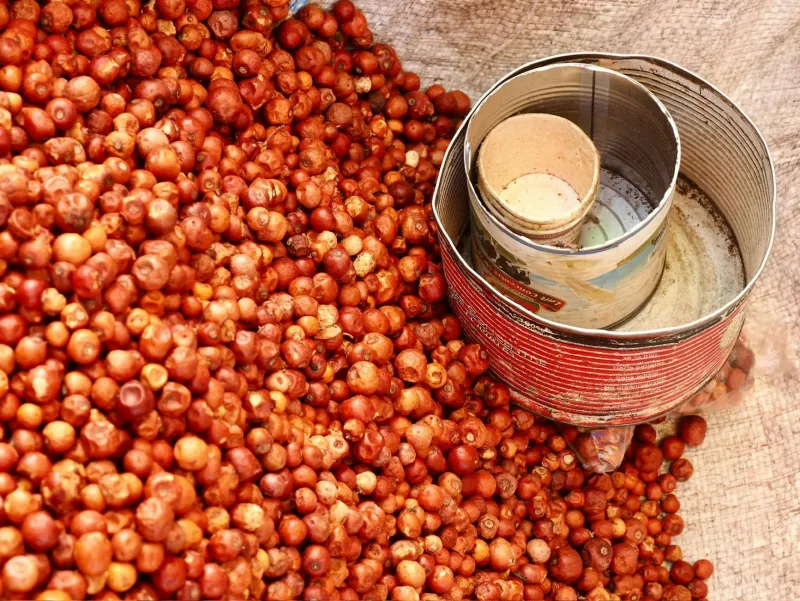
Guarana (Paullinia cupana) is a South American seed rich in caffeine — roughly twice the caffeine concentration of coffee beans by dry weight. For adults over 50, this natural stimulant raises practical questions: does the ageing body handle caffeine differently, and is the energy boost worth potential side effects?
Why Older Adults May Consider Guarana
Fatigue and declining mental sharpness are common complaints after 50. Guarana delivers caffeine alongside tannins, theobromine and theophylline, which together produce a more gradual stimulant effect than coffee. Some older adults find this profile gentler on the stomach than a double espresso.
Research supports caffeine's cognitive benefits across age groups. A systematic review found that caffeine improved reaction time, attention and psychomotor performance in healthy adults (Haskell et al., 2005). Guarana extract also showed acute memory and mood benefits in a small human RCT, independent of caffeine content (Kennedy et al., 2004).
OstroVit Guarana Extract 100g and OstroVit Guarana VEGE 90tabs are two in-stock options at maxfit.ee suited to adults seeking a standardised dose.
How Caffeine Metabolism Changes After 50
Ageing slows the liver enzyme CYP1A2, which breaks down caffeine. This means a 60-year-old may experience higher blood caffeine levels from the same dose as a younger person, and the stimulant effect can last longer. Sleep architecture is also more fragile in older adults, so afternoon guarana use risks insomnia.
Additionally, age-related reductions in lean body mass and total body water concentrate caffeine more readily. Seniors should start at the low end of any suggested serving size and observe their individual response for at least a week.
Dose and Safety Considerations
Caffeine intakes up to 400 mg per day are generally considered safe for healthy adults; older adults are often advised to stay below 200–300 mg. Most guarana supplements contain standardised extracts; always read the label for the actual caffeine equivalent. Guarana taken early in the day (before noon) minimises sleep disruption.
Cardiovascular effects are a practical concern. A meta-analysis of caffeine and blood pressure found modest but real short-term rises in systolic and diastolic pressure (Palatini et al., 2009). Adults managing hypertension should discuss guarana use with their physician.
Interactions with Common Medications
Several medication classes require caution:
- Blood thinners (warfarin, aspirin): Guarana may have mild antiplatelet activity; use with anticoagulants warrants medical guidance.
- Beta-blockers and antihypertensives: Caffeine can partially blunt the blood-pressure-lowering effect.
- Stimulant medications: Additive CNS stimulation risk.
- Thyroid medications: Caffeine can affect levothyroxine absorption timing.
Always leave at least one hour between guarana and oral medications.
When Guarana Supplementation Makes Sense After 50
Guarana is most useful for situational fatigue — an early morning workout, a demanding project, or occasional cognitive demands — rather than as a daily substitute for restorative sleep or a balanced diet. Adults who already drink one to two coffees per day should account for that caffeine before adding guarana.
Browse guarana energy supplements at maxfit.ee to compare extract concentrations and capsule vs. powder formats.
FAQ
Is guarana safe for people over 60?
Guarana can be used by healthy adults over 60, but caffeine sensitivity increases with age. Start with a low dose, avoid use after midday, and consult a doctor if you take cardiovascular or thyroid medications.
How does guarana differ from coffee?
Guarana seeds contain roughly twice the caffeine concentration of coffee beans, but the presence of tannins slows absorption, producing a more sustained effect. The total caffeine dose still matters.
Can guarana raise blood pressure in older adults?
Caffeine can cause short-term rises in blood pressure. Older adults with hypertension should monitor their readings when starting any caffeine-containing supplement and seek medical advice if values increase.
References
Haskell, C. F., Kennedy, D. O., Wesnes, K. A., & Scholey, A. B. (2005). Cognitive and mood improvements of caffeine in habitual consumers and habitual non-consumers of caffeine. Psychopharmacology, 179(4), 813-825. https://pubmed.ncbi.nlm.nih.gov/15678363/
Kennedy, D. O., Haskell, C. F., Wesnes, K. A., & Scholey, A. B. (2004). Improved cognitive performance in human volunteers following administration of guarana (Paullinia cupana) extract: comparison and interaction with Panax ginseng. Pharmacology Biochemistry and Behavior, 79(3), 401-411.
Palatini, P., Ceolotto, G., Ragazzo, F., Dorigatti, F., Saladini, F., Papparella, I., Mos, L., Zanata, G., & Santonastaso, M. (2009). CYP1A2 genotype modifies the association between coffee intake and the risk of hypertension. Journal of Hypertension, 27(8), 1594-1601. https://pubmed.ncbi.nlm.nih.gov/19451835/



