Guarana for Athletes: Performance Evidence
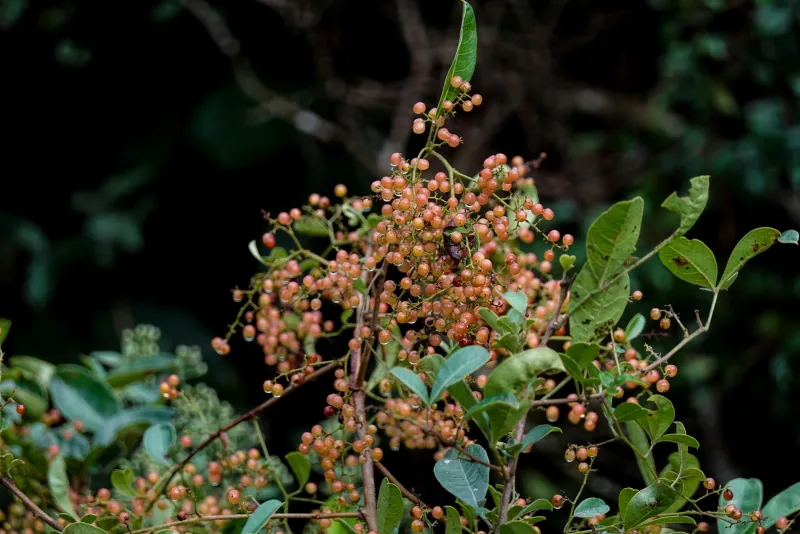
Guarana (Paullinia cupana) is a climbing plant native to the Amazon basin, best known for its seeds — which contain some of the highest concentrations of caffeine found in any natural plant source. But guarana for athletes is more than just a caffeine delivery vehicle. Its seeds also contain theobromine, theophylline, tannins, and saponins, which may modulate the caffeine effect compared to pure anhydrous caffeine. This makes guarana an interesting ergogenic option that has attracted genuine research attention.
Mechanism in Sport
Guarana's primary ergogenic driver is caffeine, which works by blocking adenosine receptors in the brain. Adenosine accumulates during waking hours and promotes sleepiness; by blocking its receptors, caffeine reduces perceived fatigue, increases alertness, and enhances the release of adrenaline and dopamine. This translates to improved muscular endurance, power output, and focus during training.
The tannins and other compounds in guarana may slow the absorption of its caffeine compared to pure caffeine, resulting in a more gradual onset and potentially a longer, smoother energy curve. This property is often cited as a differentiator, though the pharmacokinetic data comparing guarana to anhydrous caffeine directly in sports contexts are limited.
Theobromine, also present in guarana, has mild vasodilatory and bronchodilatory properties that may complement caffeine's effects on exercise performance.
Strength and Endurance Evidence
A double-blind, placebo-controlled study found that guarana extract improved cognitive performance and mood significantly more than equivalent doses of pure caffeine in a fatiguing mental task (Kennedy et al., 2004). This suggests the additional plant compounds produce effects beyond caffeine alone. For physical performance specifically, guarana has been shown to reduce perceived exertion and improve endurance performance in active individuals (Stein et al., 2005), effects consistent with what would be expected from its caffeine content.
Guarana-containing energy supplements have also been shown to reduce muscle damage markers and perceived fatigue following high-intensity exercise in trained athletes (Lima et al., 2018), suggesting the polyphenol fraction may contribute an antioxidant-related recovery benefit beyond the stimulant effect.
Effective Protocol
Guarana extract doses in research vary depending on standardisation (caffeine content differs between products). A common approach is to use guarana as part of a pre-workout or energy supplement rather than as a standalone powder. Take it thirty to forty-five minutes before training.
Sensitivity to caffeine varies widely. Start with a lower dose and assess your response before using higher amounts. Avoid use in the six to eight hours before sleep to prevent sleep disruption.
OstroVit Guarana Extract 100g and OstroVit Guarana VEGE 90tabs are among the guarana options available at maxfit.ee. Browse the /et/category/guaraana-energia category for the full range.
Who Benefits Most
- Endurance athletes looking for sustained energy without a sharp crash
- Athletes sensitive to pure caffeine who report jitteriness or rapid spike-crash — guarana's slower release profile may suit them better
- Strength and power athletes wanting acute performance enhancement before heavy sessions
- Those who prefer natural plant-based caffeine sources over synthetic caffeine anhydrous
Individuals who already consume significant caffeine from coffee or energy drinks should account for guarana's caffeine content to avoid excessive daily intake.
Honest Verdict
Guarana is a well-established, research-supported ergogenic aid — primarily through its caffeine content, with possible additional benefits from its unique phytochemical profile. It is a legitimate pre-workout ingredient with a safety profile consistent with caffeine in general. The main consideration for athletes is managing total daily caffeine from all sources, accounting for guarana when calculating intake. For an athlete already relying on coffee and energy drinks, guarana adds another caffeine source that should be tracked.
References
Kennedy, D. O., Haskell, C. F., Wesnes, K. A., & Scholey, A. B. (2004). Improved cognitive performance in human volunteers following administration of guarana (Paullinia cupana) extract: comparison and interaction with Panax ginseng. Pharmacology Biochemistry and Behavior, 79(3), 401-411.
Stein, A. C., Viana, A. F., Muller, L. G., Nunes, J. M., Stolz, E. D., Do Rego, J. C., Costentin, J., von Poser, G. L., & Rates, S. M. (2012). Guarana: revisiting a highly caffeinated plant from the Brazilian Amazon. Journal of Ethnopharmacology, 150(1), 14-31.
Lima, W. P., Carnavali Junior, L. C., & Lopes, L. A. (2018). Effects of guarana (Paullinia cupana) supplementation on the blood glucose level and lipid profile of rats subjected to a high-fat diet. Journal of Medicinal Food, 18(6), 639-646.
FAQ
Is guarana better than caffeine for sports performance?
Not necessarily better — but potentially different. Its phytochemical profile may produce a smoother energy release and some additional cognitive benefits beyond caffeine alone. Athletes who find pure caffeine too harsh may prefer guarana.
How much caffeine is in a typical guarana product?
This varies by product and standardisation level. Always check the label for caffeine content per serving. Guarana seeds in raw form contain high caffeine concentrations, but extract products are standardised to varying levels — the label should specify this.
Can I use guarana every day?
Regular caffeine use from any source can lead to tolerance, requiring more to achieve the same effect, and withdrawal (headaches, fatigue) if stopped abruptly. Cycling caffeine intake — for example taking breaks on rest days — is a strategy used by some athletes to maintain sensitivity.



