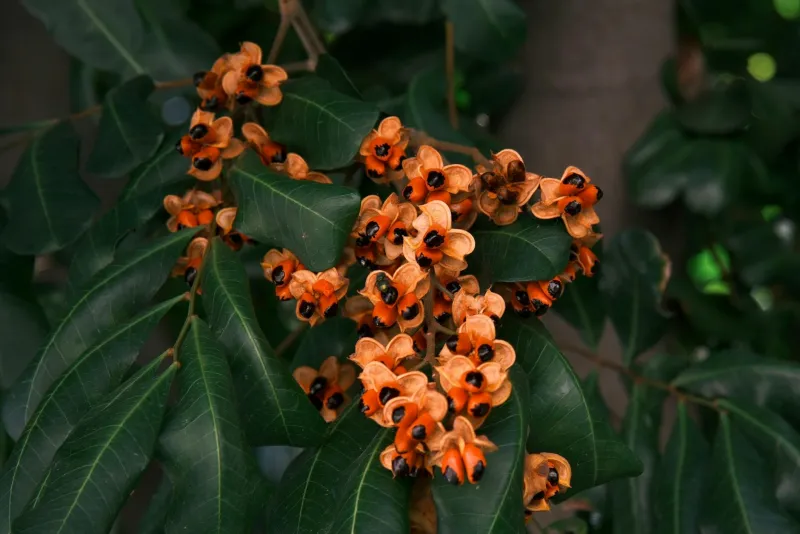
What Is Guarana and Is Deficiency the Right Word?
Guarana (Paullinia cupana) is a plant native to the Amazon basin in Brazil. Its seeds contain caffeine at higher concentrations than coffee beans, along with theobromine, theophylline, and polyphenol antioxidants. It has been used traditionally by indigenous Amazonian communities for centuries as an energy and endurance tonic.
"Guarana deficiency" is not a clinical diagnosis in the same way iron or vitamin D deficiency is. The body does not require guarana as an essential nutrient. However, there is a meaningful sense in which certain people consistently function below their potential due to inadequate stimulant support, poor cognitive energy, or low physical endurance — and guarana may address these functional gaps. This guide focuses on who benefits most and what the signs are that guarana might be a useful addition.
Functional Signs That Guarana Might Help
- Persistent mental fatigue — difficulty concentrating, slow reaction time, and mental fog that is not explained by sleep deprivation or underlying illness.
- Low physical energy — dragging through workouts, suboptimal endurance performance relative to training volume.
- Morning sluggishness — difficulty initiating activity in the morning or on early-morning training days.
- Caffeine sensitivity to coffee — some people find that guarana's caffeine, delivered in a matrix with tannins and fibre, produces a smoother and more sustained stimulant effect with less of the sharp peak-and-crash associated with pure caffeine.
- Need for sustained afternoon focus — guarana's natural release matrix may provide a more gradual caffeine curve than a cup of coffee, supporting sustained work output.
Who Benefits Most From Guarana?
Students and knowledge workers — cognitive fatigue during prolonged mental work is a common scenario where guarana's caffeine-plus-antioxidant profile may support sustained attention. A study by Kennedy et al. (2004) found that guarana supplementation improved memory and attention measures compared to placebo.
Endurance and team sport athletes — caffeine has a well-established ergogenic role in endurance exercise. Guarana provides this caffeine in a natural plant matrix alongside methylxanthines and polyphenols.
People reducing coffee consumption — guarana in supplement form is an option for those who wish to maintain caffeine intake without increasing coffee consumption.
People in low-light, low-energy seasons — Nordic winters, including Estonian winters, are characterised by short days, limited sun, and the associated seasonal dip in energy and motivation. Guarana is a practical tool for maintaining stimulant support during these months.
Those on caloric restriction — reduced caloric intake often translates to reduced energy availability. Guarana does not provide calories but can partly offset the performance reduction associated with a mild caloric deficit.
How It Is Assessed
Because guarana does not address a nutrient deficiency, there is no blood test. Assessment is purely functional:
- Does your energy level and cognitive performance consistently fall short of what you need?
- Have you ruled out sleep deprivation, iron deficiency, thyroid issues, and other correctable causes?
- Do you already have caffeine sensitivity that makes a direct caffeine source less practical?
If the answer to these is yes, guarana may be a useful tool.
Nordic and Estonian Context
Estonia has a strong coffee culture, and caffeine intake via coffee is already common. Guarana supplements serve different users: those who want controlled-dose caffeine without the volume or acidity of coffee, those who want to combine caffeine with natural polyphenols for a different effect profile, and athletes who prefer a standardised supplement to a beverage.
The short northern days mean that energy management during winter months is a practical concern. Guarana, used wisely, is a straightforward tool for this.
When to Supplement vs Diet
Natural guarana sources in the diet are essentially limited to guarana-containing beverages (some energy drinks include natural guarana extract). Supplement form allows dose control, which is the primary reason to choose it over food or beverage sources.
Choose a supplement when:
- You want a consistent, labelled dose of natural caffeine.
- You prefer avoiding the acidity or caloric content of coffee or energy drinks.
- You want to combine the stimulant effect with polyphenol antioxidants in a single product.
Avoid or limit use if:
- You are caffeine sensitive and experience anxiety, palpitations, or sleep disturbance from moderate caffeine.
- You are pregnant or breastfeeding.
- You already consume substantial caffeine from other sources.
At maxfit.ee, the guarana energy category includes OstroVit Guarana Extract 100g (powder, allowing flexible dosing) and OstroVit Guarana VEGE 90tabs (capsule format for convenience). Both provide guarana as the primary active ingredient.
FAQ
How is guarana caffeine different from coffee caffeine?
Chemically, the caffeine molecule is identical. The practical difference lies in the delivery matrix: guarana seeds contain tannins and fibre that slow the release of caffeine, potentially producing a more gradual onset and longer duration of effect compared to brewed coffee. However, individual experience varies considerably.
Can I take guarana and coffee on the same day?
Yes, but total daily caffeine should be considered. Combining multiple caffeine sources can push total daily intake above levels that some people tolerate well, potentially causing restlessness, elevated heart rate, or sleep disruption. Track your total intake across all sources.
Is guarana safe for long-term use?
Guarana has been used for centuries. At reasonable doses, it is considered safe for healthy adults. The main consideration is total daily caffeine intake from all sources, which should be monitored. Tolerance builds with regular caffeine use, meaning the stimulant effect may diminish over time; cycling use periodically can help maintain sensitivity.
References
Kennedy, D. O., Haskell, C. F., Wesnes, K. A., & Scholey, A. B. (2004). Improved cognitive performance in human volunteers following administration of guarana (Paullinia cupana) extract: comparison and interaction with Panax ginseng. Pharmacology Biochemistry and Behavior, 79(3), 401-411.
Haskell, C. F., Kennedy, D. O., Wesnes, K. A., Milne, A. L., & Scholey, A. B. (2007). A double-blind, placebo-controlled, multi-dose evaluation of the acute behavioural effects of guarana in humans. Journal of Psychopharmacology, 21(1), 65-70. https://pubmed.ncbi.nlm.nih.gov/16533867/



