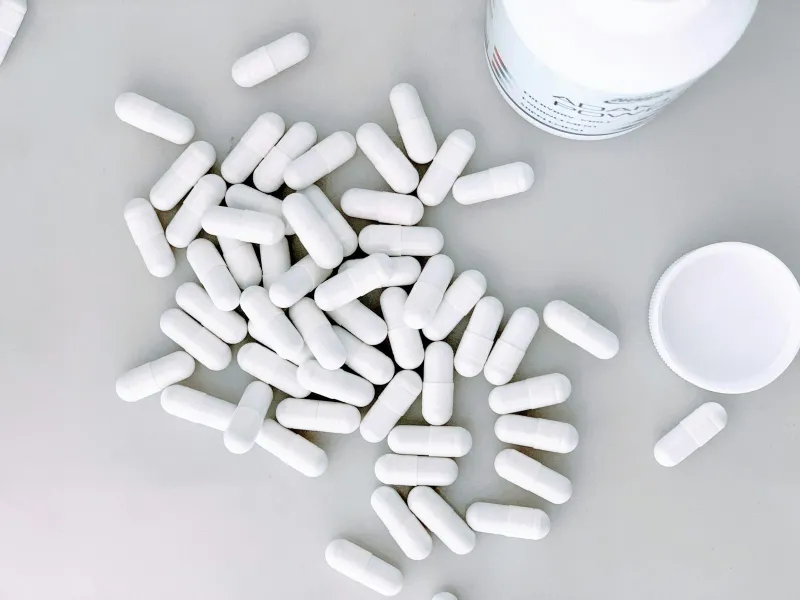
Why Plant-Based Diets May Fall Short on Glucosamine
Glucosamine is a naturally occurring compound that plays a structural role in cartilage and joint fluid. The body synthesises some glucosamine from glucose and glutamine, but production tends to decline with age, high physical load, and during periods of joint stress. Dietary glucosamine comes almost entirely from foods not eaten on a plant-based diet — specifically the exoskeletons of shellfish and, to a lesser extent, the connective tissue of meat and poultry.
Vegans and vegetarians who are physically active or managing joint discomfort therefore have a genuine gap to consider. The question is not whether plant eaters get less glucosamine through food — they clearly do — but whether their endogenous synthesis plus lifestyle interventions is sufficient, and when supplementation makes sense.
Vegan-Friendly Glucosamine Sources
Most mainstream glucosamine supplements on the market are derived from shellfish (shrimp, crab, or lobster shells). These are not vegan and are also unsuitable for people with shellfish allergies.
The alternative is glucosamine from corn fermentation (also listed as glucosamine HCl derived from non-animal sources). Fermentation-based glucosamine uses fungi — typically Aspergillus niger acting on corn starch — to produce pharmaceutical-grade glucosamine that is considered vegan. Bioavailability appears comparable to shellfish-derived forms based on available pharmacokinetic data.
When shopping, look for labels that explicitly state "vegan glucosamine" or "corn-derived" or "fermentation-sourced" glucosamine.
What the Research Shows
Glucosamine supplementation for joint health has been studied extensively. A well-designed randomised controlled trial found that glucosamine improved knee pain scores in participants with mild to moderate osteoarthritis compared to placebo (Towheed et al., 2005, in a Cochrane-registered review). The evidence is considered moderate-quality and effects vary by individual.
Importantly, glucosamine shows a delayed effect — meaningful symptom changes typically emerge after four to eight weeks of consistent use. Expecting results in the first week is a common reason people stop prematurely.
Dose Targets
The standard researched dose is around 1500 mg per day, often divided into three 500 mg servings with meals. Some products combine glucosamine with chondroitin, MSM, and hyaluronic acid for a broader joint support profile.
Products such as MST Chondroitin Glucosamine MSM + HA 90tabs, OstroVit Glucosamine + MSM + Chondroitin 90tab, and OstroVit Glucosamine 210g offer convenient serving sizes. Check the label source — if the product does not specify "vegan" or "corn-derived," contact the manufacturer to confirm.
What to Combine
For plant-based joint support, glucosamine pairs well with:
- Collagen precursors or vitamin C: vitamin C is essential for collagen synthesis. If you avoid animal collagen, vitamin C alongside glucosamine helps maintain the collagen your body already produces.
- MSM (methylsulfonylmethane): a sulphur compound that supports connective tissue. Many glucosamine products already include it.
- Omega-3 fatty acids: anti-inflammatory support from algae-based omega-3 is a natural complement to joint-targeted supplements.
Choosing a Vegan Product
Before purchasing any glucosamine supplement, check:
- Source: corn/fungal fermentation vs. shellfish — explicitly stated on the label.
- Capsule material: HPMC or pullulan, not gelatin.
- Third-party certification: vegan society logo or equivalent.
- Combined ingredients: verify co-ingredients (some chondroitin is always animal-derived; vegan products skip chondroitin or use synthetic alternatives).
You can explore available options at maxfit.ee/et/category/glukoosamiin-ja-kondroitiin.
FAQ
Is all glucosamine the same?
No. Glucosamine sulfate and glucosamine hydrochloride (HCl) are the two main forms. Most research has been conducted on glucosamine sulfate, but glucosamine HCl (commonly the corn-fermented form) has comparable absorption. The source matters more for vegan suitability than the salt form.
How long does glucosamine take to work?
Joint support supplements are generally slow to show effect. Most studies measure outcomes after eight to twelve weeks of consistent daily use. Patience is required; if you stop after two weeks without noticing a difference, you may not have given it sufficient time.
Can vegans take glucosamine with chondroitin?
Standard chondroitin is derived from bovine or shark cartilage and is not vegan. Some formulations now include synthetic or fermentation-derived alternatives, but these are less common. Vegan-focused products typically rely on glucosamine plus MSM plus vitamin C instead of combining with conventional chondroitin.
References
Towheed, T. E., Maxwell, L., Anastassiades, T. P., Shea, B., Houpt, J., Robinson, V., Hochberg, M. C., & Wells, G. (2005). Glucosamine therapy for treating osteoarthritis. Journal of Rheumatology, 32(4), 789-790.
Hoffer, L. J., Kaplan, L. N., Hamadeh, M. J., Grigoriu, A. C., & Baron, M. (2001). Sulfate could mediate the therapeutic effect of glucosamine sulfate. Metabolism, 50(7), 767-770. https://pubmed.ncbi.nlm.nih.gov/11436179/



