What to Stack with Glucosamine: Synergies & Conflicts
Glucosamine stacking is one of the most-discussed topics in joint-health nutrition. The molecule provides a building block for cartilage proteoglycans, and combining it thoughtfully with other compounds can amplify or sometimes undermine its effects. This guide covers what the research actually shows.
Evidence-Based Synergies
Chondroitin
The glucosamine-chondroitin combination is the most studied pair in joint supplementation. A large multicentre trial found that the combination produced clinically meaningful pain relief in a subgroup of patients with moderate-to-severe knee osteoarthritis (Clegg et al., 2006). Both compounds contribute to cartilage matrix integrity via different mechanisms — glucosamine as a glycosaminoglycan precursor and chondroitin as an inhibitor of cartilage-degrading enzymes — making co-administration rational.
Products like MST Chondroitin Glucosamine MSM + HA 90tabs, OstroVit Glucosamine + MSM + Chondroitin 90tab, and 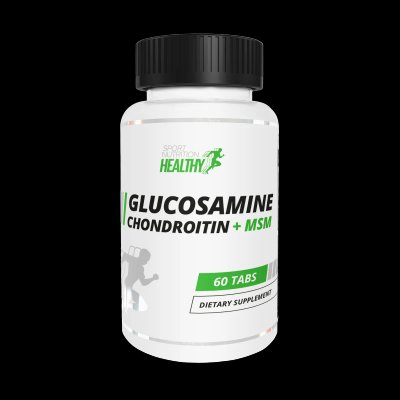 Healthy Chondroitin Glucosamine MSM€9.90 In stock 60tab combine these two ingredients in a single formula, saving you the trouble of stacking them separately.
MSM (Methylsulfonylmethane)
MSM is a sulphur-containing compound frequently added to glucosamine stacks. A randomised controlled trial showed that a combination of glucosamine, chondroitin, and MSM reduced pain and swelling scores in knee osteoarthritis participants significantly more than placebo over 12 weeks (Usha & Naidu, 2004). Sulphur supports connective tissue synthesis, and the trio is widely used by athletes managing joint load.
Collagen Peptides
Hydrolysed collagen (type II or gelatine-derived) addresses a different structural target — collagen fibres within cartilage — rather than the proteoglycan matrix that glucosamine influences. Some practitioners recommend combining both for broader coverage, though head-to-head stacking data is limited. Adding a collagen supplement to a glucosamine regimen is considered low-risk and potentially complementary.
Omega-3 Fatty Acids
Omega-3 EPA and DHA exert anti-inflammatory effects that may ease the inflammatory component of joint pain independently of cartilage repair. Stacking omega-3 with glucosamine addresses two different pathways: one structural, one inflammatory. There is no known interaction, and the combination is common in clinical nutrition practice.
Antagonistic Combinations
No hard pharmacokinetic antagonisms have been demonstrated with glucosamine in human trials at standard doses. However, a few considerations are worth noting:
- NSAIDs: Long-term concurrent use with non-steroidal anti-inflammatories is not necessary for most people, as glucosamine may itself have a mild symptom-modifying effect. This is a clinical question for a doctor, not a supplement choice.
- Blood-thinning agents: Glucosamine may have a mild anticoagulant-like interaction in some individuals, so anyone on anticoagulant medication should consult a doctor before adding glucosamine.
- Excessive calcium at the same time: Very high calcium intake at the same meal can theoretically reduce sulphate availability but is unlikely to matter at typical dietary levels.
Timing Within a Stack
Glucosamine is not acutely active — it requires weeks of consistent use to show effects. Timing relative to meals matters more for tolerability than for efficacy: taking glucosamine with food reduces the mild GI discomfort some people notice. If you are also taking omega-3 softgels, the same meal works well since both are better absorbed alongside dietary fat.
For collagen peptides, morning or post-workout timing on an empty stomach or with a small carbohydrate source is often recommended in the literature, so splitting collagen from your main glucosamine dose is practical.
Sample Stacks by Goal
| Goal | Core compounds | Optional additions |
|---|---|---|
| General joint maintenance | Glucosamine + Chondroitin | Omega-3 |
| Active athlete joint support | Glucosamine + Chondroitin + MSM | Collagen peptides |
| Cartilage recovery (post-injury) | Glucosamine + Chondroitin + Collagen | MSM, Omega-3 |
| Minimal stack (budget) | Glucosamine alone | Collagen peptides |
All options in the joint supplements category at maxfit.ee are available without a prescription.
What to Avoid
- Doubling up on the same compound: If your combination product already contains 1500 mg glucosamine and 1200 mg chondroitin, adding a separate single-ingredient product creates unnecessary overlap without additional benefit.
- Short-term trials: Glucosamine stacking should be evaluated over at least 8–12 weeks. Stopping after two weeks tells you nothing meaningful.
- Ignoring form: Glucosamine sulphate is the form used in most positive trials. Glucosamine hydrochloride (HCl) has weaker evidence. Check your label.
- Expecting fast results: Glucosamine stacking supports joint health over time — it is not an acute pain reliever.
FAQ
Can I take glucosamine with creatine?
Yes. There is no known interaction between glucosamine and creatine. They target entirely different pathways (cartilage matrix vs. muscle energy), and many athletes use both simultaneously without issue.
How long does a glucosamine stack take to work?
Most trials showing benefit ran for 12–24 weeks. Noticeable changes in comfort and mobility typically emerge after 6–8 weeks of consistent daily use. Patience is essential with this class of supplement.
Is a combination product better than buying each compound separately?
For most people, a combination product like OstroVit Glucosamine + MSM + Chondroitin 90tab is more convenient and often more cost-effective. Separate products make sense only if you need to customise individual doses significantly above what a combination product provides.
References
Clegg, D. O., et al. (2006). Glucosamine, chondroitin sulfate, and the two in combination for painful knee osteoarthritis. New England Journal of Medicine, 354(8), 795-808. https://pubmed.ncbi.nlm.nih.gov/16495392/
Usha, P. R., & Naidu, M. U. R. (2004). Randomised, double-blind, parallel, placebo-controlled study of oral glucosamine, methylsulfonylmethane and their combination in osteoarthritis. Clinical Drug Investigation, 24(6), 353-363. https://pubmed.ncbi.nlm.nih.gov/17516722/
Pavelka, K., et al. (2002). Glucosamine sulfate use and delay of progression of knee osteoarthritis: a 3-year, randomized, placebo-controlled, double-blind study. Archives of Internal Medicine, 162(18), 2113-2123.



