
How to Choose a Quality Glucosamine Supplement
Glucosamine is one of the most researched supplements for joint health, and it remains among the top-selling products in the sports and general wellness category worldwide. However, not all glucosamine products are equal. Understanding what distinguishes a quality supplement from a mediocre one requires looking beyond marketing language to the label specifics that actually matter.
What to Look for on the Label
Form of glucosamine
Glucosamine is sold in two primary forms:
- Glucosamine sulfate: The form used in most of the clinical research showing benefit for joint outcomes. Studies on osteoarthritis of the knee have used this form at consistent doses (Bruyere et al., 2004). If joint health is your primary reason for supplementing, glucosamine sulfate is the better-evidenced choice.
- Glucosamine hydrochloride (HCl): Contains a higher percentage of active glucosamine by weight (approximately 83% vs 65% for the sulfate form) but has a less impressive clinical track record. Some meta-analyses suggest glucosamine HCl may be less effective for pain outcomes than the sulfate form.
The label should clearly state which form is used. Products that simply say "glucosamine" without specifying sulfate or HCl may be using a cheaper, less researched form.
Dose
The dose used in the majority of positive clinical trials is 1500 mg of glucosamine sulfate per day, typically divided into three 500 mg servings or taken as a single 1500 mg dose. Lower doses have less clinical backing. If a product offers only 500–750 mg per day as a "full serving," it is underdosed relative to the research.
Check whether the stated dose is for the salt (glucosamine sulfate as a whole) or for "glucosamine" as the active component, as these numbers differ.
Combined formulations
Many products combine glucosamine with chondroitin, MSM (methylsulfonylmethane), or hyaluronic acid. The rationale is mechanistic synergy — chondroitin supports cartilage matrix and may have complementary anti-inflammatory effects. The GAIT trial found that the glucosamine plus chondroitin combination showed a signal for benefit in a subgroup with moderate-to-severe knee pain (Clegg et al., 2006), though overall results were mixed.
MST Chondroitin Glucosamine MSM + HA 90tabs, OstroVit Glucosamine + MSM + Chondroitin 90tab, and 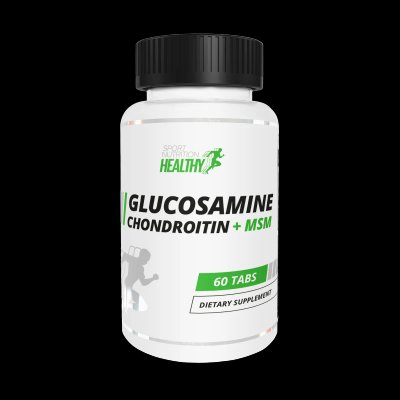 Healthy Chondroitin Glucosamine MSM€9.90 In stock 60tab are combination products available at maxfit.ee that include clinically studied co-ingredients. OstroVit Glucosamine 210g is a single-ingredient option for those who prefer a focused formula.
Third-Party Testing
Glucosamine is derived from shellfish (crustacean shells) in most products, or from fungal or corn fermentation in vegan versions. Quality can vary based on raw material sourcing, processing, and storage.
Look for products from manufacturers with:
- GMP (Good Manufacturing Practice) certification
- ISO or NSF certification where stated
- Transparent sourcing information for the glucosamine raw material
Third-party certificates of analysis (CoAs) verify that the stated dose is actually present in the product and that heavy metal contaminants are within acceptable limits. Not all brands publish these, but premium brands often provide them on request or on their website.
Red Flags
Be cautious when you see:
- No form specified: "glucosamine complex" without naming sulfate or HCl
- Proprietary blends without individual doses: you cannot evaluate whether each ingredient is at a meaningful dose
- Very low price with high claim density: high-quality raw material is not extremely cheap; extreme budget pricing often reflects sourcing shortcuts
- "Clinical strength" or "maximum potency" with no dose listed: without a number, the claim is meaningless
- Shellfish-derived without an allergy warning: a regulatory requirement that some manufacturers overlook
Value for Money
Glucosamine supplementation is typically a long-term commitment — clinical trials run for months to see meaningful joint-health outcomes. This makes cost-per-day a practical consideration. A daily dose of 1500 mg glucosamine sulfate from a GMP-certified manufacturer is the minimum threshold worth paying for; combinations with chondroitin and MSM add cost but may add clinical value.
Avoid products that bundle in large numbers of secondary ingredients at sub-therapeutic doses — these add label complexity and price without proportionate benefit.
FAQ
How long does it take for glucosamine to show effects?
Clinical trials typically measure outcomes at 8 weeks minimum, with more robust assessments at 6 months. Joint-related benefits are gradual — do not expect results within days. Consistent use over months is necessary before evaluating whether the supplement is working for you.
Is glucosamine safe for people with shellfish allergies?
Most glucosamine is derived from shellfish shells (chitin), not the flesh, and the protein responsible for shellfish allergy is not present in purified glucosamine. However, regulatory guidance varies and individuals with severe shellfish allergies should consult their allergist. Vegan glucosamine (fermented from corn or fungi) is a shellfish-free alternative.
Can glucosamine be taken with other joint supplements?
Glucosamine is commonly combined with chondroitin, MSM, and collagen. No significant negative interactions between these supplements have been identified. The combination may be complementary given their different mechanisms of action in cartilage tissue.
References
Bruyere, O., Pavelka, K., Rovati, L. C., et al. (2004). Glucosamine sulfate reduces osteoarthritis progression in postmenopausal women with knee osteoarthritis: evidence from two 3-year studies. Menopause, 11(2), 138-143. https://pubmed.ncbi.nlm.nih.gov/15021442/
Clegg, D. O., Reda, D. J., Harris, C. L., et al. (2006). Glucosamine, chondroitin sulfate, and the two in combination for painful knee osteoarthritis. New England Journal of Medicine, 354(8), 795-808. https://pubmed.ncbi.nlm.nih.gov/16495392/
Reginster, J. Y., Deroisy, R., Rovati, L. C., et al. (2001). Long-term effects of glucosamine sulphate on osteoarthritis progression: a randomised, placebo-controlled clinical trial. Lancet, 357(9252), 251-256. https://pubmed.ncbi.nlm.nih.gov/11214126/



