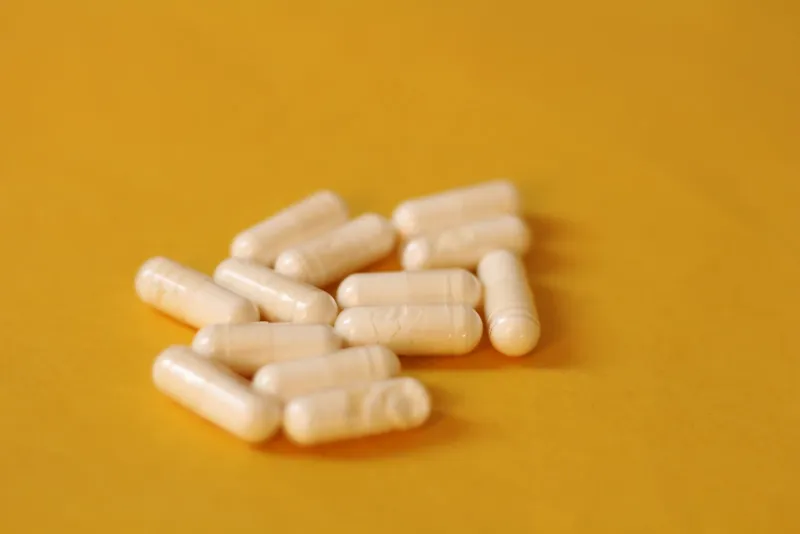
Glucosamine Myths vs Facts
Glucosamine is one of the world's best-selling joint supplements, yet it remains wrapped in contradictory claims. Marketers promise it rebuilds cartilage overnight; sceptics dismiss it as expensive placebo. The truth, as usual, sits somewhere between the two extremes.
Common Myths About Glucosamine
Myth 1: Glucosamine repairs damaged cartilage
This is the claim most often seen on product labels. Cartilage is largely avascular — it has no direct blood supply — making regeneration after significant damage extremely slow regardless of supplementation. Research shows glucosamine may slow the rate of joint-space narrowing in people with mild-to-moderate osteoarthritis, but there is no strong evidence that it reverses existing structural damage (Hochberg et al., 2016).
Myth 2: All glucosamine products are the same
Not so. Glucosamine sulphate and glucosamine hydrochloride (HCl) have different absorption profiles and different research bases. Most positive trials used glucosamine sulphate at a consistent dose. MST Chondroitin Glucosamine MSM + HA 90tabs, OstroVit Glucosamine + MSM + Chondroitin 90tab, and 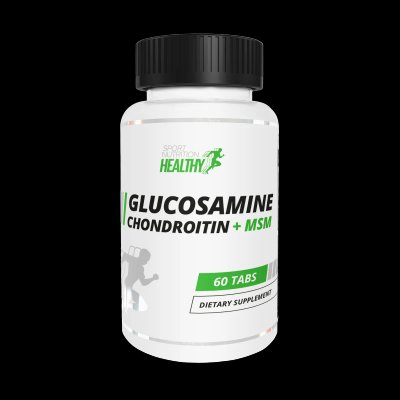 Healthy Chondroitin Glucosamine MSM€9.90 In stock 60tab use combined formulas; check the label to confirm which glucosamine form is included.
Myth 3: You'll feel results within a week
Glucosamine is not an analgesic. Randomised trials typically run for 12–24 weeks before meaningful differences in pain and function emerge. Expecting fast results sets people up for early discontinuation.
What the Evidence Actually Shows
The largest independent trial to date — the GAIT study — found that the combination of glucosamine and chondroitin provided meaningful pain relief in a subgroup of participants with moderate-to-severe knee osteoarthritis (Clegg et al., 2006). For mild osteoarthritis the picture was less clear. A 2018 meta-analysis confirmed that glucosamine sulphate modestly reduces pain scores and may slow radiographic progression compared with placebo (Gregori et al., 2018).
The key word is modest. Effect sizes are generally small, and not every patient responds. This does not make glucosamine useless — for a long-term, low-risk supplement, even a modest benefit over years can be meaningful.
Marketing Claims vs Reality
| Claim | Reality |
|---|---|
| Rebuilds cartilage | No strong evidence for reversal of damage |
| Works in days | Trials run 3–6 months before outcomes are measured |
| Only high-dose products work | Evidence is for daily use at consistent doses |
| Effective for all joints | Most data is from knee osteoarthritis |
Grey Areas
Healthy athletes and joint protection: Younger, active people often take glucosamine prophylactically. There is almost no controlled data on whether it prevents joint deterioration in people who do not yet have osteoarthritis. It may not hurt, but the benefit is unproven.
Shellfish allergy: Most glucosamine is derived from crustacean shells. People with shellfish allergies should choose fermentation-derived vegan alternatives or consult a healthcare professional before use.
Drug interactions: Glucosamine may interact with warfarin (blood-thinning medication). Anyone on anticoagulants should discuss use with their physician.
Bottom Line
Glucosamine is neither a miracle joint cure nor a total waste of money. For people with mild-to-moderate knee osteoarthritis who stick with it for several months, there is credible — if modest — evidence for pain reduction. It is not a fast fix, does not reverse structural damage, and results vary by individual. If you are exploring joint support options, products like OstroVit Glucosamine 210g are available at maxfit.ee alongside complementary formulas that combine glucosamine with chondroitin and MSM.
FAQ
Does glucosamine work for everyone with joint pain?
No. Responses vary considerably. Evidence is strongest for mild-to-moderate knee osteoarthritis in adults. There is little data supporting use for hip, shoulder, or other joints, and there is no proven benefit for injury-related joint pain in otherwise healthy people.
How long do I need to take glucosamine before judging whether it helps?
Most clinical trials run for at least 12 weeks. Give it three to six months at a consistent daily dose before concluding it is or is not working for you.
Is there any risk to taking glucosamine long term?
Glucosamine has a good safety record in trials lasting up to three years. The main cautions are for people with shellfish allergies (unless using a vegan form) and those on warfarin. There is no established upper safe limit for healthy adults, but taking more than studied doses is unlikely to add benefit.
References
Clegg, D. O., Reda, D. J., Harris, C. L., Klein, M. A., O'Dell, J. R., Hooper, M. M., Bradley, J. D., Bingham, C. O., Weisman, M. H., Jackson, C. G., Lane, N. E., Cush, J. J., Moreland, L. W., Schumacher, H. R., Oddis, C. V., Wolfe, F., Molitor, J. A., Yocum, D. E., Schnitzer, T. J., Furst, D. E., Sawitzke, A. D., Shi, H., Brandt, K. D., Moskowitz, R. W., & Williams, H. J. (2006). Glucosamine, chondroitin sulfate, and the two in combination for painful knee osteoarthritis. New England Journal of Medicine, 354(8), 795-808. https://pubmed.ncbi.nlm.nih.gov/16495392/
Gregori, D., Giacovelli, G., Minto, C., Barbetta, B., Gualtieri, F., Azzolina, D., Vaghi, P., & Rovati, L. C. (2018). Association of pharmacological treatments with long-term pain control in patients with knee osteoarthritis: a systematic review and meta-analysis. JAMA, 320(24), 2564-2579. https://pubmed.ncbi.nlm.nih.gov/30575881/
Hochberg, M. C., Martel-Pelletier, J., Monfort, J., Moller, I., Castillo, J. R., Arden, N., Berenbaum, F., Blanco, F. J., Conaghan, P. G., Domenech, G., Henrotin, Y., Pap, T., Richette, P., Sawitzke, A., Du Souich, P., & Pelletier, J. P. (2016). Combined chondroitin sulfate and glucosamine for painful knee osteoarthritis: a multicentre, randomised, double-blind, non-inferiority trial versus celecoxib. Annals of the Rheumatic Diseases, 75(1), 37-44. https://pubmed.ncbi.nlm.nih.gov/25589511/



