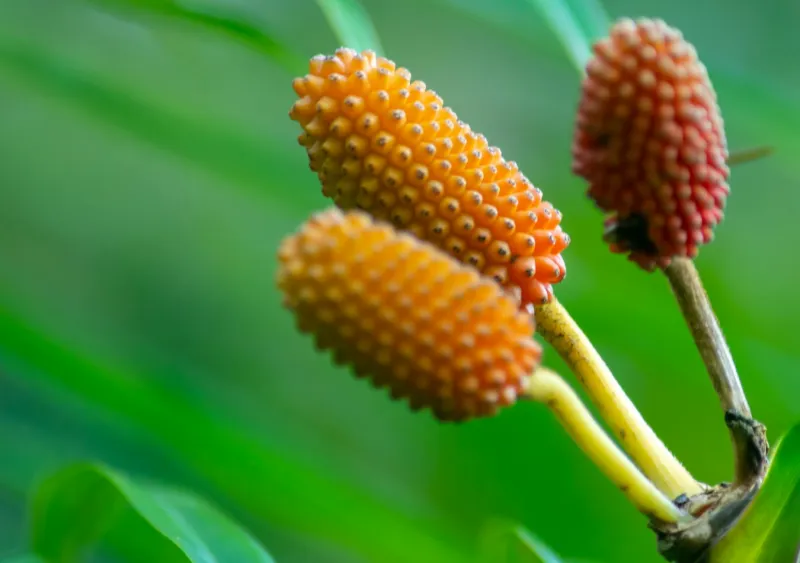
Ginseng for Vegans & Vegetarians
Ginseng — primarily Panax ginseng (Asian ginseng) and Panax quinquefolius (American ginseng) — is one of the most studied botanical adaptogens in the world. For vegans and vegetarians, it offers a particular advantage: it is inherently plant-derived, requires no animal-sourced capsule shells when formulated as vegetable capsules, and may address several nutrient gaps common in plant-based diets.
Why Plant-Based Diets May Benefit from Adaptogen Support
Vegan and vegetarian diets excel in fibre, antioxidants, and phytonutrients. However, they can be lower in certain nutrients that influence energy metabolism and stress resilience:
- Creatine and carnosine are absent from plant foods and may affect exercise performance and cognitive fatigue.
- Vitamin B12, iron, and zinc are frequently suboptimal on unplanned plant-based diets.
- HPA-axis stress regulation may be influenced by chronic low-grade micronutrient insufficiency.
Ginseng does not replace these nutrients directly, but its ginsenoside content has been associated with adaptogenic effects — helping the body modulate the stress response — which may be particularly relevant when baseline energy and resilience are already challenged by micronutrient gaps.
Vegan-Friendly Sources
All ginsenosides come from the root and root hairs of Panax species — there is nothing animal-derived in the raw material itself. The key vegan-friendliness check is the capsule shell:
- HPMC (hydroxypropyl methylcellulose) capsules — vegan-certified.
- Gelatin capsules — derived from animal collagen, not vegan.
OstroVit Panax Ginseng VEGE 60caps uses vegetable capsules and is available at maxfit.ee, making it a straightforward choice for plant-based consumers.
Dose Targets
Research on Panax ginseng typically uses standardised extracts delivering ginsenosides. A systematic review and meta-analysis found that ginseng supplementation was associated with improvements in subjective fatigue and some cognitive function measures compared to placebo (Arring et al., 2018). The studies included in that review generally used standardised extract doses rather than raw root powder; product labels should specify ginsenoside content where possible.
For daily supplementation, the duration also matters: most positive findings come from trials lasting at least four to twelve weeks. Short-term, single-dose use shows weaker effects in the evidence base.
What to Combine Ginseng With
For vegans and vegetarians, ginseng pairs well with:
- Vitamin B12 — addresses a near-universal gap on fully plant-based diets; supports neurological energy alongside ginseng's adaptogenic effects.
- Iron — low ferritin is common in vegetarians and directly impairs energy; correcting iron status may amplify any fatigue-reduction benefit from ginseng.
- Zinc — important for immune function and testosterone signalling; phytate-rich plant diets can reduce zinc absorption.
These are not synergistic in a pharmacological sense — they simply address parallel pathways that both affect energy and stress resilience.
Choosing a Vegan Ginseng Product
Key criteria:
- Standardised extract — look for ginsenoside content on the label (commonly 2–8% ginsenosides by weight).
- Vegetable capsule — HPMC or VEGE labelling confirms it is vegan.
- Species clarity — Panax ginseng (Asian) and Panax quinquefolius (American) have somewhat different ginsenoside profiles; most research is on Panax ginseng.
- No undisclosed additives — some blends include animal-derived fillers; check the full ingredient list.
FAQ
Is ginseng naturally vegan?
Yes — the ginseng root itself is fully plant-derived. The vegan status of a ginseng supplement depends on whether the capsule shell is vegetable-based (HPMC) rather than gelatin. Always check the product label.
How long does ginseng take to work?
Most clinical trials show meaningful effects on fatigue and cognitive measures after four to twelve weeks of consistent daily use. Expecting noticeable results within days is unlikely to align with the evidence base.
Can I take ginseng every day?
Most research uses ginseng daily for defined periods. Long-term continuous use beyond twelve to sixteen weeks has been studied less thoroughly. Some practitioners recommend cycling — for example, six weeks on, two weeks off — though the evidence for this specific approach is limited. Consult a healthcare provider if you have any chronic conditions or take medications.
References
Arring, N. M., Millstine, D., Marks, L. A., & Nail, L. M. (2018). Ginseng as a treatment for fatigue: a systematic review. Journal of Alternative and Complementary Medicine, 24(7), 624-633. https://pubmed.ncbi.nlm.nih.gov/29624410/
Reay, J. L., Kennedy, D. O., & Scholey, A. B. (2005). Single doses of Panax ginseng (G115) reduce blood glucose levels and improve cognitive performance during sustained mental activity. Journal of Psychopharmacology, 19(4), 357-365. https://pubmed.ncbi.nlm.nih.gov/15982990/
Hong, B., Ji, Y. H., Hong, J. H., Nam, K. Y., & Ahn, T. Y. (2002). A double-blind crossover study evaluating the efficacy of Korean red ginseng in patients with erectile dysfunction. Journal of Urology, 168(5), 2070-2073. https://pubmed.ncbi.nlm.nih.gov/12394711/



