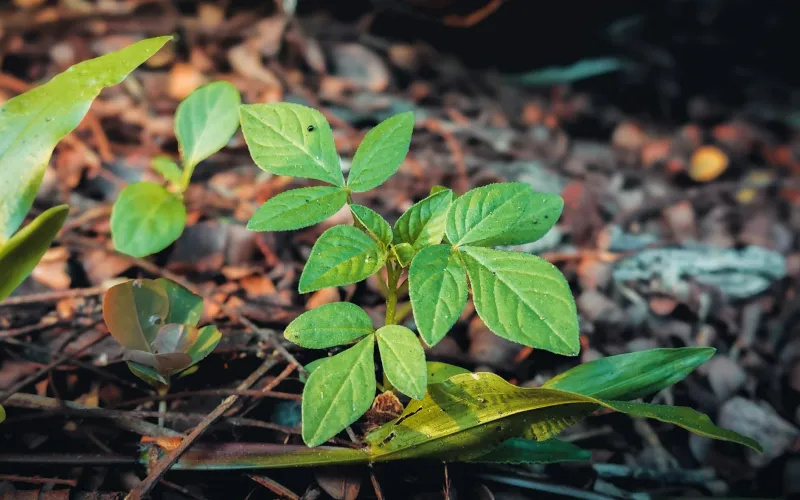
Ginseng Stacking: An Introduction
Ginseng (primarily Panax ginseng, also known as Korean or Asian ginseng) is one of the most studied adaptogenic herbs in the world. Its active compounds — ginsenosides — exert effects on the hypothalamic-pituitary axis, modulate cortisol response, improve cognitive function under stress, and may support immune function. Ginseng stacking refers to thoughtfully combining ginseng with other supplements to amplify these benefits or extend them to new domains such as athletic performance.
A standardised product such as OstroVit Panax Ginseng VEGE 60caps — available at maxfit.ee — provides a predictable ginsenoside dose that forms a reliable foundation for a stack. Unstandardised herbal extracts vary widely in potency.
Evidence-Based Synergies
Rhodiola Rosea
Both ginseng and rhodiola are classified as adaptogens — compounds that non-specifically increase the body's resistance to physical, chemical, and biological stressors. They work through partially overlapping but distinct mechanisms, making them a logical combination. Rhodiola's primary effects concentrate on serotonin and dopamine pathway modulation; ginseng's centre on HPA axis regulation. A small crossover trial in healthy volunteers suggested that combining adaptogens may produce additive effects on mental performance and fatigue resistance, though large RCTs are lacking (Panossian & Wikman, 2009).
Caffeine
Low-to-moderate caffeine combined with ginseng may offer complementary cognitive effects. Ginsenosides have been shown to attenuate caffeine-related anxiety and jitteriness in some subjects, potentially allowing a higher effective caffeine dose with less discomfort. For cognitive work, combining 50–100 mg caffeine with a standardised ginseng extract is a popular stack with qualitative support, though direct RCT evidence comparing the combination to monotherapy is limited.
Omega-3 Fatty Acids
Omega-3 fatty acids (EPA, DHA) and ginseng share anti-inflammatory and neuroprotective properties. Both independently support cognitive health in ageing adults. Combining them is physiologically rational for older adults seeking to preserve cognitive function. No significant interaction risk exists between the two.
Vitamin D
Vitamin D deficiency is prevalent in Northern Europe, including Estonia, during the autumn and winter months, and low vitamin D is associated with impaired immune and cognitive function. Ginseng's immunomodulatory effects may be partially dependent on adequate vitamin D status. Ensuring adequate vitamin D alongside ginseng provides a logical foundational combination.
Antagonistic Combinations
Anticoagulants and Antiplatelet Drugs
This is the most clinically significant ginseng interaction. Ginsenosides possess mild antiplatelet and anticoagulant activity. Combined with warfarin, aspirin, clopidogrel, or direct oral anticoagulants (DOACs), the risk of bleeding complications is theoretically elevated. Case reports document reduced INR in patients on warfarin who also took ginseng (Izzo & Ernst, 2001). Do not combine without medical supervision.
MAO Inhibitors and Stimulant Antidepressants
Ginseng may potentiate the CNS stimulant effects of MAO inhibitors, leading to agitation, hypomania, or headache. This combination should be avoided.
Immunosuppressants
Ginseng's immunostimulatory properties create a theoretical conflict with immunosuppressant drugs (cyclosporine, tacrolimus) used after organ transplantation or for autoimmune diseases. Use with these drugs requires medical oversight.
Timing Within a Stack
Ginseng is typically taken once or twice daily with meals to reduce gastrointestinal discomfort that some people experience on an empty stomach. It does not need to be timed to a specific training phase in the way that creatine or beta-alanine do.
For a cognitive-performance stack:
- Morning: ginseng + vitamin D (with breakfast)
- Pre-work or pre-study: low-dose caffeine
- Daily with omega-3: with the largest meal of the day
Cycling ginseng (e.g., 8 weeks on, 2 weeks off) is a traditional practice sometimes recommended to prevent habituation, though the evidence base for this specific protocol is limited.
Sample Stacks by Goal
| Goal | Stack |
|---|---|
| Cognitive performance and stress resilience | Ginseng + rhodiola |
| General wellness (Northern European winter) | Ginseng + vitamin D + omega-3 |
| Mild energy and focus boost | Ginseng + low-dose caffeine (100 mg) |
| Immune support during intense training periods | Ginseng + vitamin D + vitamin C |
What to Avoid
- Avoid ginseng with anticoagulant medications without physician supervision.
- Do not combine ginseng with other stimulant adaptogens at high doses without medical guidance — e.g., high-dose ephedra, ma huang.
- Ginseng may lower blood glucose; people with diabetes on glucose-lowering medications should monitor carefully.
- Pregnant and breastfeeding individuals should avoid ginseng supplementation due to limited safety data.
FAQ
How long does it take for ginseng to work?
The adaptogenic effects of ginseng typically build over several weeks of consistent use. A meta-analysis of ginseng RCTs found that cognitive effects were most consistently observed in trials lasting four weeks or more (Geng et al., 2010). Acute single-dose effects on cognitive function have also been reported in some trials, but the sustained adaptogenic benefit requires time.
Is Korean ginseng the same as American or Siberian ginseng?
No. Panax ginseng (Korean) and Panax quinquefolius (American) share ginsenosides but in different ratios, with different net effects. Siberian ginseng (Eleutherococcus senticosus) is a different plant entirely and contains eleutherosides rather than ginsenosides. Their pharmacological profiles are related but not identical. Most sports nutrition products, including those at maxfit.ee, specify the species.
Can I take ginseng every day?
Short-term daily use for up to three months is well-documented as safe in healthy adults. Evidence on safety beyond this period is less comprehensive. Traditional cycling protocols (e.g., using it for eight weeks with a two-week break) are cautious but not strictly evidence-required for healthy adults at standard doses.
References
Panossian, A., & Wikman, G. (2009). Evidence-based efficacy of adaptogens in fatigue, and molecular mechanisms related to their stress-protective activity. Current Clinical Pharmacology, 4(3), 198-219. https://pubmed.ncbi.nlm.nih.gov/19500070/
Geng, J., Dong, J., Ni, H., Lee, M. S., Wu, T., Jiang, K., Wang, G., Zhou, A. L., & Malouf, R. (2010). Ginseng for cognition. Cochrane Database of Systematic Reviews, 12, CD007769.
Izzo, A. A., & Ernst, E. (2001). Interactions between herbal medicines and prescribed drugs. Drugs, 61(15), 2163-2175. https://pubmed.ncbi.nlm.nih.gov/11772128/



