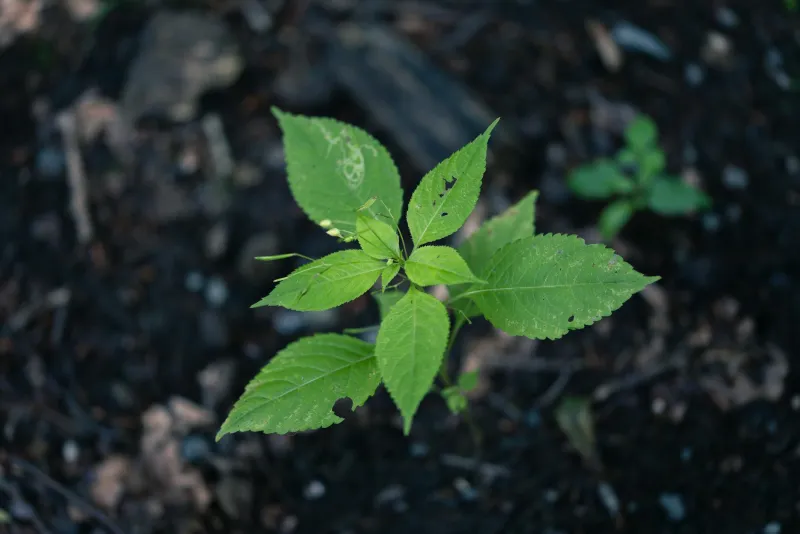
Ginseng: A Traditional Adaptogen Meets Modern Science
Panax ginseng - commonly called Korean or Asian ginseng - is one of the oldest medicinal plants in continuous documented use. Its primary traditional application was as an energy tonic and fatigue remedy. Today, ginseng supplements are widely marketed for energy and fatigue with claims ranging from plausible to exaggerated.
This article examines what modern clinical research says about ginseng for energy and fatigue, who is most likely to benefit, what dose the evidence supports, and what realistic expectations look like.
Role in Energy Metabolism
Ginseng's active compounds are primarily ginsenosides (also called panaxosides), a class of triterpene saponins. These compounds are believed to act through multiple pathways:
- Mitochondrial function: Some ginsenosides have been shown in cell and animal studies to influence mitochondrial biogenesis and ATP production pathways, which could theoretically support energy metabolism.
- Hypothalamic-pituitary-adrenal (HPA) axis modulation: As an adaptogen, ginseng is proposed to buffer the body's response to physiological stress, potentially supporting sustained energy during demanding periods.
- Neurotransmitter modulation: Ginsenosides interact with several receptor types including GABA, dopamine, and serotonin systems, which may influence perceived energy and mood.
These mechanisms are biologically plausible, but translating cell and animal data to human clinical outcomes requires carefully designed trials.
Evidence in Fatigue: What the Trials Show
The clinical trial base for ginseng and fatigue is moderate in size. A systematic review by Arring et al. (2018) examined 10 randomised controlled trials assessing ginseng preparations for cancer-related fatigue and general fatigue outcomes. The review found that the majority of trials reported improvements in fatigue scores compared to placebo, though effect sizes were variable and standardisation of preparations differed significantly across studies (Arring et al., 2018).
For mental fatigue specifically, a double-blind RCT by Kennedy et al. (2004) found that 400 mg of standardised Panax ginseng extract improved accuracy on sustained cognitive tasks and reduced subjective fatigue ratings compared to placebo in healthy adults over an 8-week period (Kennedy et al., 2004).
For physical fatigue and exercise performance, a 2020 systematic review by Caldwell et al. assessed multiple trials and found mixed results: some studies showed improvements in time to exhaustion and perceived exertion during exercise, while others found no significant difference from placebo. The authors noted that effect sizes were generally small to moderate and heterogeneity across extraction methods made pooling difficult.
Who Is Likely to Respond
The available evidence suggests ginseng for energy and fatigue is most likely to show meaningful benefit in:
- People experiencing chronic or stress-related fatigue: The adaptogenic properties of ginseng appear most relevant when the fatigue has a stress-related or HPA-dysregulation component.
- Older adults: Several trials have specifically studied ginseng in older populations and found positive outcomes on energy and physical capacity.
- People with cancer-related fatigue: This is one of the better-studied clinical applications, with multiple trials showing benefit.
- People not already relying on high-dose stimulants: Ginseng is not a stimulant in the caffeine sense; its effects are subtler and longer-term.
Healthy young adults with no particular fatigue complaint are less likely to notice a dramatic effect.
Dose
Clinical trials investigating fatigue have used a range of doses. Studies showing positive effects have generally used standardised Panax ginseng extracts in the range of 200-400 mg per day, standardised to a known ginsenoside content. Lower doses and unstandardised preparations have more variable outcomes.
Ginseng is typically taken in cycles, with many practitioners recommending 8-12 week use periods followed by a rest period, though the evidence base for this specific cycling protocol is limited.
Ginseng is considered to have a good safety profile at typical supplemental doses. Reported side effects at doses studied in trials are generally mild and may include headache or digestive discomfort, predominantly at higher doses.
Realistic Expectations
Ginseng is not a stimulant and should not be expected to produce the immediate energising effect of caffeine. Its effects, when present, tend to be:
- Gradual onset over several weeks of consistent supplementation
- More pronounced during periods of elevated physiological or psychological demand
- Subtle rather than dramatic in healthy, non-fatigued individuals
For those seeking immediate energy, caffeine remains better supported for acute effects. Ginseng's comparative advantage is its adaptogenic profile - supporting resilience over time rather than providing a single energy spike.
At maxfit.ee you can find OstroVit Panax Ginseng VEGE 60caps for a standardised ginseng option. Browse the range at ginseng supplements.
References
Arring, N. M., Millstine, D., Marks, L. A., & Nail, L. M. (2018). Ginseng as a treatment for fatigue: a systematic review. Journal of Alternative and Complementary Medicine, 24(7), 624-633. https://pubmed.ncbi.nlm.nih.gov/29624410/
Kennedy, D. O., Scholey, A. B., & Wesnes, K. A. (2004). Modulation of cognition and mood following administration of single doses of Ginkgo biloba, ginseng, and a ginkgo/ginseng combination to healthy young adults. Physiology & Behavior, 75(5), 739-751.
Kim, H. G., Cho, J. H., Yoo, S. R., Lee, J. S., Han, J. M., Lee, N. H., Ahn, Y. C., & Son, C. G. (2013). Antifatigue effects of Panax ginseng C.A. Meyer: a randomised, double-blind, placebo-controlled trial. PLOS ONE, 8(4), e61271. https://pubmed.ncbi.nlm.nih.gov/24391909/
FAQ
How long does ginseng take to work for fatigue?
Ginseng is not a fast-acting stimulant. Clinical trials showing benefits for fatigue typically ran for 4 to 12 weeks, with most reporting measurable changes after 4-8 weeks of consistent supplementation. Expecting results within the first few days is unrealistic.
Is Panax ginseng the same as Siberian ginseng?
No. Panax ginseng (Korean/Asian ginseng) and Eleutherococcus senticosus (commonly called Siberian ginseng) are botanically unrelated species with different active compounds (ginsenosides versus eleutherosides). The research on fatigue and energy is most extensive for Panax ginseng, and the two should not be used interchangeably when interpreting trial data.
Can ginseng be combined with caffeine?
The combination is common in pre-workout and energy products. There is no established safety concern with combining typical supplemental amounts of ginseng and caffeine, though the combination has not been studied as extensively as each individually. Given ginseng's mechanism is different from caffeine, the effects may complement each other - but results will vary by individual.



