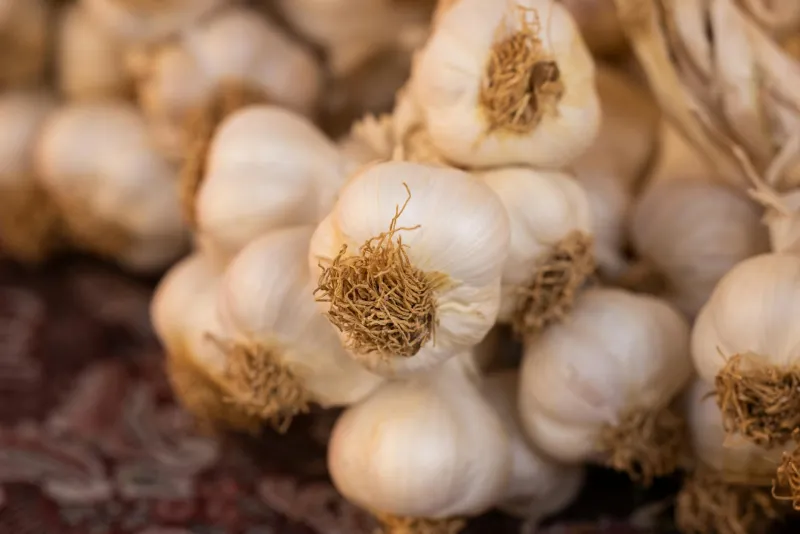
Garlic Oil for Vegans: A Plant-Based Supplement That Earns Its Place
Garlic has been consumed for thousands of years as both food and medicine. The bioactive compounds responsible for its effects -- primarily organo-sulfur molecules like allicin and its derivatives -- are found in high concentrations in garlic oil extracts. For vegans, garlic oil is entirely plant-derived and fits naturally into a supplement routine.
Why Plant-Based Diets May Fall Short on Garlic Compounds
Garlic itself is vegan, and many plant-based eaters do use raw garlic regularly in cooking. The challenge is consistency and concentration. When garlic is cooked, allicin -- which forms enzymatically when raw garlic is crushed or chopped -- is largely destroyed by heat. Routine cooking therefore reduces the intake of the most bioactive compounds significantly.
Furthermore, the amount of raw garlic most people consume daily is far lower than doses used in clinical studies. Garlic oil softgels allow a standardised dose of bioactive compounds to be consumed without the strong odour and practical inconvenience of daily raw garlic intake.
For vegans specifically, this gap is identical to that of omnivores since garlic is already plant-based -- but the convenience of a well-formulated supplement can help close the intake gap.
Vegan-Friendly Garlic Sources
All garlic-derived products are inherently plant-based. The key question is whether the supplement delivery mechanism is vegan:
- Garlic oil softgels in vegetable capsules: fully vegan; check that the shell is made from modified starch, HPMC, or carrageenan, not gelatin
- Garlic powder tablets: vegan unless the tablet binder contains lactose or animal-derived stearates
- Enteric-coated preparations: often vegan, but check the coating agent
- Aged garlic extract (liquid or capsule): generally vegan; most branded versions use vegan-compatible excipients
Raw garlic, garlic vinegar preparations, and homemade garlic-infused oils are all naturally vegan as starting points.
Dose Targets
Most cardiovascular and antimicrobial research on garlic has used doses equivalent to around 600 mg to 1200 mg of fresh garlic per day, which corresponds roughly to one to two standard cloves. For garlic oil softgels, common supplement doses provide a concentrated equivalent in the range found in research settings.
A systematic review by Ried et al. (2016) found that garlic supplementation was associated with modest blood pressure reductions in people with hypertension. The review included trials using various garlic preparations with varying allicin potencies, making direct dose translation complex.
What to Combine with Garlic Oil
Garlic oil pairs well with other cardiovascular-supportive compounds. Omega-3 fatty acids and garlic have complementary mechanisms -- omega-3s support endothelial function and triglyceride metabolism, while garlic's organosulfur compounds may modulate platelet aggregation and blood pressure.
Vitamin C and garlic may also interact favourably. Vitamin C supports the stability of allicin-related compounds and has independent antioxidant properties.
Caution: garlic has mild antiplatelet activity. If taking anticoagulant medications, consult a healthcare provider before starting a concentrated garlic supplement.
Choosing a Vegan Garlic Oil Product
When shopping for a vegan garlic oil supplement, look for:
- Capsule shell made from plant-derived materials (HPMC, starch, or carrageenan) rather than gelatin
- Standardised allicin yield or equivalent potency stated on the label
- No unnecessary animal-derived excipients (avoid lactose, magnesium stearate from tallow)
- Odour-controlled or enteric coating if odour is a concern
- Third-party testing for heavy metals and microbial contamination
At maxfit.ee, NOW Garlic Oil 1500mg 250 softgels and NOW Garlic Oil 1500mg 100 softgels are well-regarded options with transparent labelling and a long safety track record. Browse the kuuslauguoli category for current in-stock options.
References
- Ried, K., Toben, C., & Fakler, P. (2016). Effect of garlic on serum lipids: an updated meta-analysis. Nutrition Reviews, 74(5), 310-323.
- Amagase, H., Petesch, B. L., Matsuura, H., Kasuga, S., & Itakura, Y. (2001). Intake of garlic and its bioactive components. Journal of Nutrition, 131(3S), 955S-962S.
- Stabler, S. N., Tejani, A. M., Huynh, F., & Fowkes, C. (2012). Garlic for the prevention of cardiovascular morbidity and mortality in hypertensive patients. Cochrane Database of Systematic Reviews, 8, CD007653.
FAQ
Is standard garlic oil already vegan?
The oil itself is always vegan -- it is extracted from garlic, a plant. The vegan concern is the capsule shell: gelatin softgels are not vegan. Look for products in vegetable-based capsules.
Can I just eat more raw garlic instead of taking a supplement?
You can, and raw garlic is excellent. However, most people do not consume the amounts used in clinical research every single day due to odour and taste preferences. A standardised supplement provides a consistent dose without daily inconvenience.
How long should I take garlic oil before expecting any effect?
Most clinical trials showing meaningful changes in cardiovascular markers ran for eight to twelve weeks of daily supplementation. Shorter-term use is unlikely to produce measurable results.



