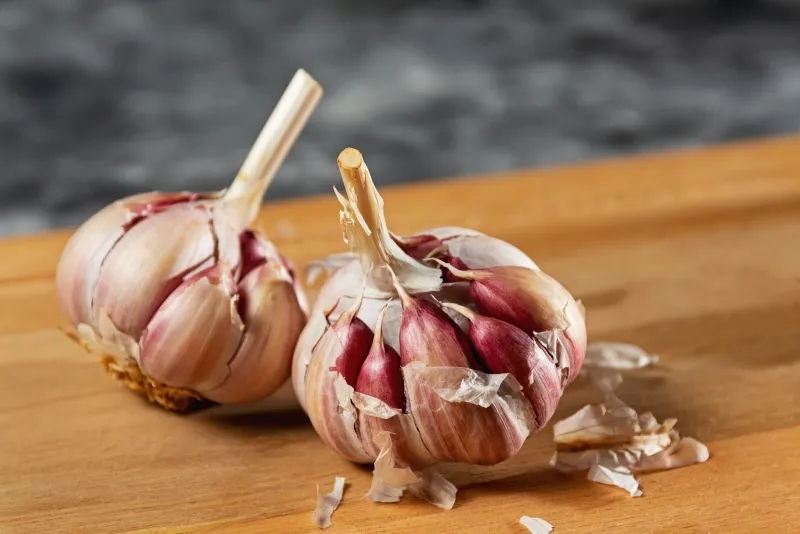
Garlic Oil Myths vs Facts
Garlic has been used as both food and medicine for thousands of years. Garlic oil — typically produced by steam distillation or maceration of garlic cloves in a carrier oil — concentrates certain sulfur compounds from the plant. Today it is sold as a supplement with a wide range of claims. This guide examines the most common garlic oil myths and what the evidence actually shows.
Common Garlic Oil Myths
Myth 1: Garlic oil cures infections and kills viruses
Garlic contains allicin and related organosulfur compounds that do show antimicrobial activity in laboratory (in vitro) settings. However, in vitro activity does not directly translate to clinical efficacy. Studies in humans suggest that garlic preparations may support immune defences, but calling garlic oil a "cure" for infections overstates the evidence substantially.
Myth 2: Garlic oil dramatically lowers blood pressure
Garlic preparations, including aged garlic and garlic powder, have been studied for modest effects on blood pressure in people with mildly elevated levels. A meta-analysis by Ried et al. (2016) found that garlic supplementation was associated with small but statistically significant reductions in blood pressure in hypertensive individuals (Ried et al., 2016). However, the effect is modest and should be seen as supportive alongside, not instead of, lifestyle changes or medical treatment.
Myth 3: More allicin always means a better supplement
Allicin is unstable — it forms when garlic tissue is disrupted and then degrades relatively quickly. Garlic oil supplements produced by steam distillation contain different sulfur compounds (such as diallyl sulfides) rather than allicin itself. The pharmacological activity of these compounds differs from that of fresh garlic. Neither allicin content nor total sulfur content alone is a reliable predictor of clinical outcome.
What the Evidence Actually Shows
The most consistent evidence for garlic supplementation relates to cardiovascular risk markers. Beyond blood pressure, garlic preparations have been associated with modest improvements in total and LDL cholesterol in some meta-analyses, though not all reviews agree on the magnitude of effect. Reid et al. found modest cardiovascular benefits in their systematic review (Ried et al., 2016).
Garlic oil specifically has been studied less than aged garlic extract or garlic powder. Most of the well-designed trials used standardised preparations, not raw garlic oil.
NOW Garlic Oil 1500mg 250 softgels and NOW Garlic Oil 1500mg 100 softgels are standardised garlic oil softgels available at maxfit.ee. These are a practical way to supplement garlic without the social drawback of the breath effect associated with raw garlic.
Marketing Claims vs Reality
| Marketing claim | What evidence actually suggests |
|---|---|
| Kills viruses | Lab evidence; human clinical data limited |
| Cures high blood pressure | Small, modest reductions in hypertensive individuals |
| Cholesterol cure | Modest effects; not consistent across all reviews |
| Stronger the smell, better the product | Odourless forms may retain cardiovascular activity |
Grey Areas
One underappreciated aspect is the form of garlic that retains biological activity when odour is removed. Aged garlic extract, for example, loses allicin but retains other compounds (S-allylcysteine) that may have independent beneficial effects. Whether garlic oil softgels provide similar benefits to aged garlic extract is not fully settled by current evidence.
For people who prefer an odourless supplement for daily use, garlic oil softgels remain a practical option with a reasonable evidence base for general cardiovascular support.
Bottom Line
Garlic oil is a reasonable supplement for general cardiovascular and immune support, with the most consistent evidence pointing to modest blood pressure benefits in hypertensive individuals. It is not a cure for infections or a replacement for medical treatment. Manage your expectations accordingly.
Browse the garlic oil category at maxfit.ee for in-stock options.
FAQ
Is garlic oil better than raw garlic?
Raw garlic provides allicin when crushed, but many people prefer supplements to avoid the breath effect. Garlic oil softgels offer a convenient, odour-controlled alternative. Whether one form is definitively superior for cardiovascular outcomes is not fully established.
Can I take garlic oil with blood pressure medication?
Garlic supplements may have mild additive effects with some blood pressure medications. Always inform your doctor or pharmacist about any supplements you are taking, especially if you are on prescribed medications.
How much garlic oil should I take per day?
The dose varies by product and standardisation. Follow the manufacturer's guidance and stay within recommended amounts. Most studied doses for cardiovascular benefits use preparations equivalent to several grams of fresh garlic per day.
References
Reid, K., Travica, N., & Sali, A. (2016). The effect of aged garlic extract on blood pressure and other cardiovascular risk factors in uncontrolled hypertensives: the AGE at Heart trial. Integrated Blood Pressure Control, 9, 9-21.



