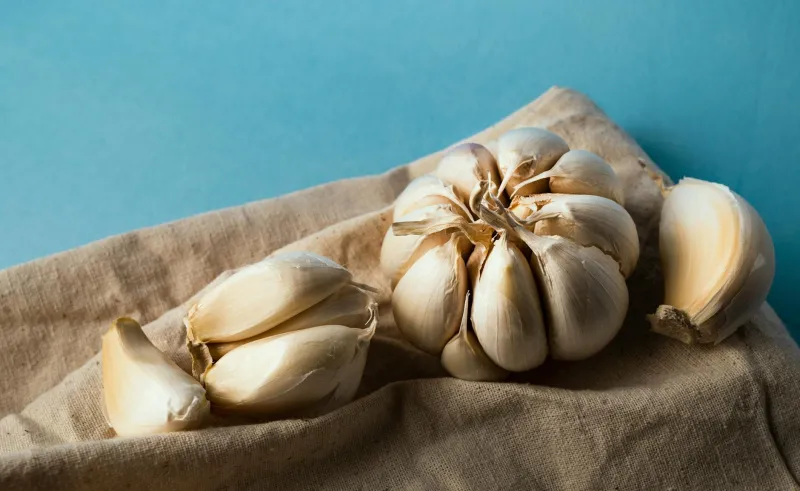
Garlic Oil After 50: Traditional Remedy Meets Modern Evidence
Garlic (Allium sativum) has one of the longest histories as a medicinal plant in human cultures worldwide. Garlic oil — extracted from garlic cloves, typically through steam distillation or maceration in vegetable oil — concentrates the volatile organosulphur compounds responsible for garlic's characteristic flavour and its studied biological effects. For adults over 50, cardiovascular and immune health become increasing priorities, and garlic oil has attracted substantial research attention in both areas.
Age-Related Need: Why Garlic Oil Is Particularly Relevant After 50
Cardiovascular risk increases progressively with age. Blood pressure tends to rise, arterial stiffness increases, and the risk of platelet aggregation-related events grows. Garlic compounds — particularly allicin and its derivatives — have been shown to have antihypertensive, antiplatelet and cholesterol-modulating properties.
A meta-analysis of randomised controlled trials found that garlic supplementation produced a statistically significant reduction in systolic and diastolic blood pressure in hypertensive participants (Ried et al., 2016). This makes garlic oil a topic of genuine interest for older adults managing cardiovascular health, though it should always complement, not replace, prescribed treatments.
Immune competence also declines with age. Garlic has been studied for antimicrobial and immune-modulating properties; a randomised trial found that allicin-containing garlic supplementation reduced the incidence and duration of common colds (Josling, 2001). While this does not specifically concern garlic oil, the same organosulphur chemistry applies.
NOW Garlic Oil 1500mg 250 softgels and NOW Garlic Oil 1500mg 100 softgels are available at maxfit.ee.
How Garlic Oil Absorption Changes After 50
Garlic oil softgels deliver fat-soluble organosulphur compounds. Absorption of lipid-soluble compounds can be reduced in older adults with hypochlorhydria (reduced stomach acid) or bile acid changes. Taking garlic oil with a light meal containing fat may support absorption.
Odourless or "deodorised" garlic preparations use heat or ageing processes that convert allicin to other compounds; the biological activity of these forms differs from fresh or steam-distilled garlic oil. For cardiovascular support, most research has used aged garlic extract (AGE) or allicin-releasing preparations rather than purely oil-based forms — so mechanism matters when comparing products.
Dose and Safety Considerations
Most clinical studies on garlic and cardiovascular endpoints have used doses equivalent to 600–1200 mg of dried garlic powder per day, or the equivalent organosulphur concentration. Garlic oil softgels are typically standardised to allicin potential; the label should state this.
At recommended doses, garlic oil is well tolerated by most people. The most common side effects are gastrointestinal (heartburn, reflux, mild nausea) and breath/body odour. Enteric-coated or timed-release formulations minimise reflux but may also reduce upper GI absorption of allicin.
Garlic is considered safe for most older adults. Rarely, skin sensitisation may occur in those with garlic allergy.
Interactions with Medications — Critical for Older Adults
This is the most important section for adults over 50, who are statistically more likely to take multiple medications:
- Anticoagulants and antiplatelet drugs (warfarin, clopidogrel, aspirin): Garlic has antiplatelet activity. Concurrent use with blood thinners increases bleeding risk. Individuals on anticoagulation therapy should consult their physician before starting garlic oil.
- Antihypertensive medications: Additive blood-pressure-lowering effect is possible; monitor blood pressure when adding garlic oil.
- HIV protease inhibitors (saquinavir): Garlic oil can reduce plasma levels of saquinavir by inducing CYP3A4 — a clinically relevant interaction.
- Statins and other CYP-metabolised drugs: Garlic may affect CYP enzyme activity; discuss with a pharmacist if taking multiple medications.
When Garlic Oil Supplementation Makes Sense After 50
Garlic oil is a reasonable addition to a cardiovascular-supportive lifestyle strategy for older adults without contraindications. It is best viewed as a complement to dietary garlic consumption, regular exercise and physician-supervised cardiovascular management.
Adults who take blood thinners or multiple medications should seek medical clearance before using garlic oil supplements. Those with no such contraindications can browse garlic oil supplements at maxfit.ee to compare softgel doses and standardisation.
FAQ
Is garlic oil as effective as raw garlic?
Garlic oil concentrates some volatile organosulphur compounds, but steam distillation can destroy allicin. The biological activity depends heavily on the preparation method. For blood pressure support, aged garlic extract (AGE) has more clinical trial data than oil alone.
Can garlic oil interact with blood pressure medications?
Yes — garlic has additive antihypertensive effects. If you take prescribed blood pressure medications, monitoring your readings when starting garlic oil and informing your doctor is important.
Can I take garlic oil every day?
For most healthy adults, daily use at label doses is well tolerated. Those on anticoagulants or multiple cardiac medications should consult a physician first.
References
Ried, K., Travica, N., & Sali, A. (2016). The effect of aged garlic extract on blood pressure and other cardiovascular risk factors in uncontrolled hypertensives: the AGE at Heart trial. Integrated Blood Pressure Control, 9, 9-21. https://pubmed.ncbi.nlm.nih.gov/26869811/
Josling, P. (2001). Preventing the common cold with a garlic supplement: a double-blind, placebo-controlled survey. Advances in Therapy, 18(4), 189-193. https://pubmed.ncbi.nlm.nih.gov/11697022/
Sobenin, I. A., Andrianova, I. V., Demidova, O. N., Gorchakova, T., & Orekhov, A. N. (2008). Lipid-lowering effects of time-released garlic powder tablets in double-blinded placebo-controlled randomized study. Journal of Atherosclerosis and Thrombosis, 15(6), 334-338. https://pubmed.ncbi.nlm.nih.gov/19060427/



