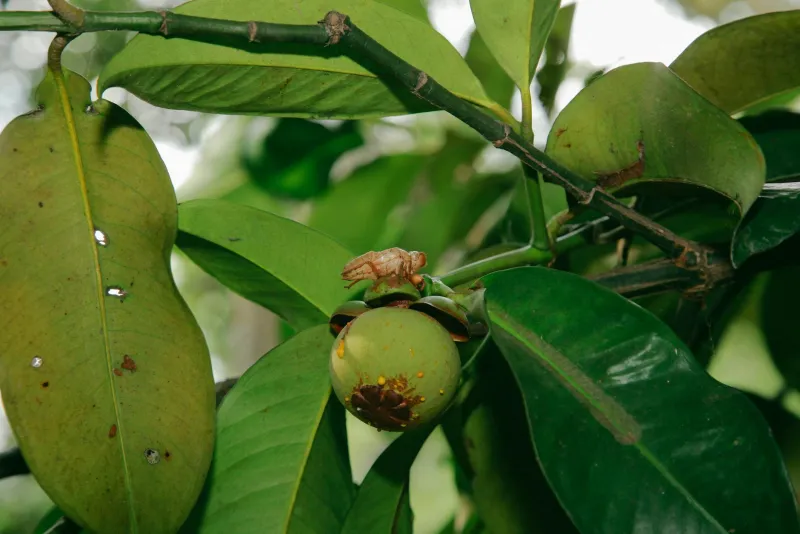
Is Long-Term Garcinia Use Safe?
Garcinia cambogia (Garcinia gummi-gutta), specifically its active compound hydroxycitric acid (HCA), has been one of the most widely used supplements in the fat-burner category globally. But is long-term garcinia use safe? Let us look at the available evidence honestly.
What Long-Term Studies Show
Garcinia has been studied primarily in 8-to-12-week trials. Systematic reviews have not found convincing evidence of meaningful efficacy for weight loss in the longer term. Onakpoya et al. (2011) reviewed nine randomised controlled trials and found that the weight-loss effect of garcinia versus placebo is statistically detectable but clinically small (Onakpoya et al., 2011).
More noteworthy are safety signals related to the liver. Multiple case reports have described garcinia-associated liver injury. Lunsford et al. (2016) documented cases of garcinia-induced hepatotoxicity, which drew official attention to the safety profile of this supplement (Lunsford et al., 2016). The US FDA has issued warnings about certain garcinia-containing products.
Upper Safe Limits Over Time
Principles to bear in mind:
- Dose ceiling: most studies have used HCA amounts in the range of approximately 1500-2800 mg per day, but the safety scale over extended periods is unclear.
- Liver monitoring: because of hepatotoxicity reports, experts recommend monitoring liver enzymes during long-term use — especially if there is any known liver or biliary history.
- Drug interactions: garcinia may affect serotonin levels, meaning there is a potential interaction with serotonergic medications (antidepressants, migraine drugs). This is clinically relevant in long-term use.
Do You Need to Cycle?
Given the safety data, particularly hepatotoxicity reports, periodic breaks are a sensible precaution. Unlike some supplements where cycling has no biological rationale, there are concrete reasons with garcinia to avoid uninterrupted long periods of use. Shorter use periods (6-8 weeks) with breaks represent a safer approach.
Monitoring
For garcinia users, particularly important:
- Liver symptoms: fatigue, nausea, jaundice (yellowing of skin or whites of eyes) — if these appear, stop use and consult a physician.
- Baseline values: a liver enzyme blood test before starting is a sensible step.
- Medication list: inform your healthcare provider of all medications, especially anything affecting serotonin.
Honest Verdict
Garcinia is one of the most contested supplements in terms of the balance between evidence and safety. The weight-loss effect in clinical trials is small. At the same time, hepatotoxicity reports make prolonged use questionable. Compared with many other supplements, the benefit-risk profile of long-term garcinia use is unfavourable — that is an honest summary of the existing evidence.
FAQ
Do all garcinia products have the same safety profile?
No. Products have been found on the market containing undeclared additives. Always choose a product with transparent ingredients from a reputable manufacturer, and avoid combination products where garcinia is paired with multiple stimulants.
What symptoms require immediate discontinuation?
Nausea, upper abdominal pain, fatigue, dark urine, or yellowing of the whites of the eyes are possible signs of liver injury — stop immediately and seek medical attention.
Is garcinia more effective combined with other fat burners?
Evidence on combining is limited, and combination products may increase the risk of side effects. Using one supplement at a time is preferable from a safety perspective.
References
Onakpoya, I., Hung, S. K., Perry, R., Wider, B., & Ernst, E. (2011). The use of Garcinia extract (hydroxycitric acid) as a weight loss supplement: a systematic review and meta-analysis of randomised clinical trials. Journal of Obesity, 2011, 509038. https://pubmed.ncbi.nlm.nih.gov/21197150/
Lunsford, K. E., Bhatt, D. L., & Nagral, S. (2016). Hepatotoxicity associated with use of the herbal weight loss supplement Garcinia cambogia. Annals of Hepatology, 15(3), 430-435.
Kim, Y. J., Choi, M. S., Park, Y. B., Kim, S. R., Lee, M. K., & Jung, U. J. (2013). Garcinia cambogia attenuates diet-induced adiposity but exacerbates hepatic collagen accumulation and inflammation. World Journal of Gastroenterology, 19(29), 4689-4701. https://pubmed.ncbi.nlm.nih.gov/23922466/



