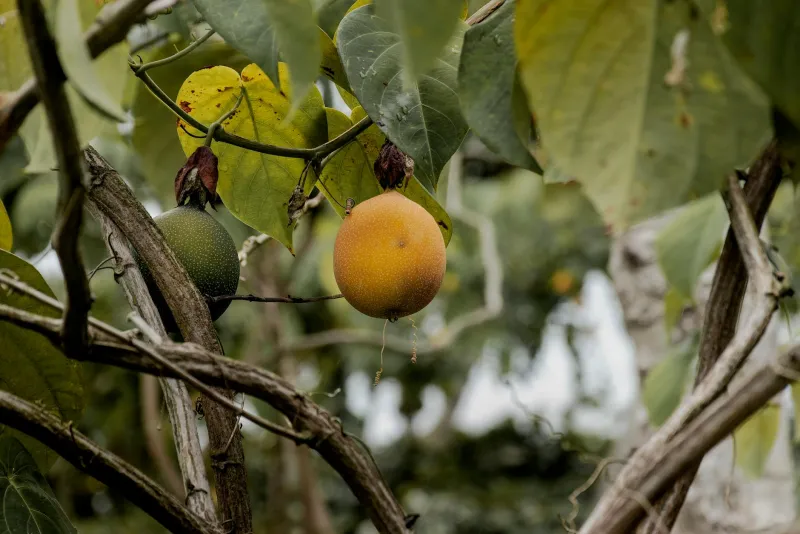
Garcinia Interactions: Drugs, Nutrients & Foods
Garcinia cambogia is a tropical fruit extract sold widely as a weight-management supplement. The active compound, hydroxycitric acid (HCA), has been marketed for appetite suppression and fat metabolism support. Understanding garcinia interactions with medications, nutrients, and foods is essential because the supplement is frequently combined with other weight-loss strategies without considering potential conflicts.
Drug Interactions
Antidepressants and serotonergic medications
This is the most clinically concerning garcinia interaction. HCA from garcinia may increase serotonin levels by affecting serotonin uptake mechanisms. Combined with SSRIs, SNRIs, or other serotonergic drugs, this could potentially contribute to serotonin syndrome — a potentially serious condition characterised by agitation, confusion, rapid heart rate, and high body temperature. Case reports have raised concern about this combination (Hendrickson et al., 2015). If you take any antidepressants, discuss garcinia with your prescribing physician first.
Statins and lipid-lowering medications
Garcinia has been associated in some reports with rhabdomyolysis — skeletal muscle breakdown — particularly when combined with statins. The mechanism is not fully established but may involve shared metabolic pathways. Several case reports have documented this combination presenting with muscle pain and elevated creatine kinase levels. This combination warrants caution (Sharma et al., 2010).
Warfarin and anticoagulants
Garcinia may affect platelet function and has been linked in case reports to altered bleeding times in combination with warfarin. People taking anticoagulants should avoid garcinia or use only under close medical supervision with regular INR monitoring.
Diabetes medications
Animal studies have suggested HCA may have mild hypoglycaemic effects. While clinical evidence in humans is limited, people managing diabetes with insulin or oral hypoglycaemic agents should monitor blood glucose more carefully if adding garcinia.
Nutrient Competition and Synergy
Iron absorption
Garcinia extracts, like many polyphenol-rich plant extracts, may bind to iron and reduce its absorption. People with iron-deficiency anaemia or low iron stores should consider spacing garcinia from iron supplements or iron-rich meals.
Chromium synergy
Some weight-management formulas combine garcinia with chromium, claiming synergistic effects on carbohydrate metabolism. There is limited but directionally consistent evidence that chromium picolinate supports glucose disposal. The combination is speculative at this stage — neither confirmed nor refuted by rigorous trials.
Food Effects
High-fat meals
HCA absorption is affected by the dietary fat context. Some research suggests that HCA bioavailability may be lower when taken with high-fat meals. Most garcinia products recommend taking on an empty stomach or 30 to 60 minutes before meals to maximise HCA exposure.
Citrus fruits
Garcinia cambogia is a citrus-family fruit. Consuming large amounts of other citrus — particularly grapefruit — alongside garcinia supplements could theoretically interact with medications that are sensitive to CYP3A4 modulation. This is primarily relevant for the grapefruit component of the diet, not garcia per se.
Alcohol
Alcohol use with garcinia warrants caution in the context of the liver safety signal. Some case reports have linked high-dose garcinia to hepatotoxicity. Combining alcohol (itself hepatotoxic at high doses) with high-dose garcinia could increase liver stress.
Who Must Be Cautious
- People taking SSRIs, SNRIs, tramadol, or any serotonergic medication
- Individuals on statin therapy
- Those taking warfarin or other anticoagulants
- People managing diabetes with medication
- Individuals with pre-existing liver conditions
- Pregnant or breastfeeding individuals (no safety data)
Practical Rules
- Never combine garcinia with antidepressants without explicit medical clearance.
- If on statins, report any new muscle pain immediately.
- Take on an empty stomach for better HCA absorption.
- Avoid very high doses — the clinical liver safety signal is dose-related.
- For general weight management, a balanced approach including OstroVit L-Carnitine 1250 60caps or OstroVit Fat Burner eXtreme 90caps alongside lifestyle interventions is often a safer multi-pronged strategy available at maxfit.ee.
References
Hendrickson, H. P., Kaufmann, A. D., & Kerber, A. S. (2015). Hypomania following augmentation of antidepressant with Garcinia cambogia. Journal of Clinical Psychopharmacology, 35(6), 735-736.
Sharma, A., Bhattacharya, S., & Bhattacharyya, S. (2010). Muscle pain and weakness following the use of Garcinia cambogia extract: a case report. Indian Journal of Critical Care Medicine, 14(4), 208-209.
Preuss, H. G., Rao, C. V., Garis, R., Bramble, J. D., Ohia, S. E., Bagchi, M., & Bagchi, D. (2004). An overview of the safety and efficacy of a novel, natural(-)-hydroxycitric acid extract (HCA-SX) for weight management. Journal of Medicine, 35(1-6), 33-48. https://pubmed.ncbi.nlm.nih.gov/18084863/
FAQ
Can I take garcinia with my antidepressant?
No — not without explicit medical approval. The potential for serotonin syndrome from combining HCA with serotonergic medications is the most serious known risk of garcinia. This combination requires medical guidance.
Does garcinia interact with caffeine or stimulant fat burners?
Garcinia itself is not stimulant-based, unlike many fat burners. However, weight-loss stacks that combine garcinia with caffeine, synephrine, or yohimbine create a complex multi-ingredient interaction profile. Adding more compounds increases the uncertainty. Simpler stacks are generally safer.
Is garcinia safe for the liver?
At typical supplemental doses and for short durations in healthy people, the risk is considered low. However, case reports of hepatotoxicity exist at high doses. Avoid high doses and do not combine with other hepatotoxic substances including excessive alcohol.



