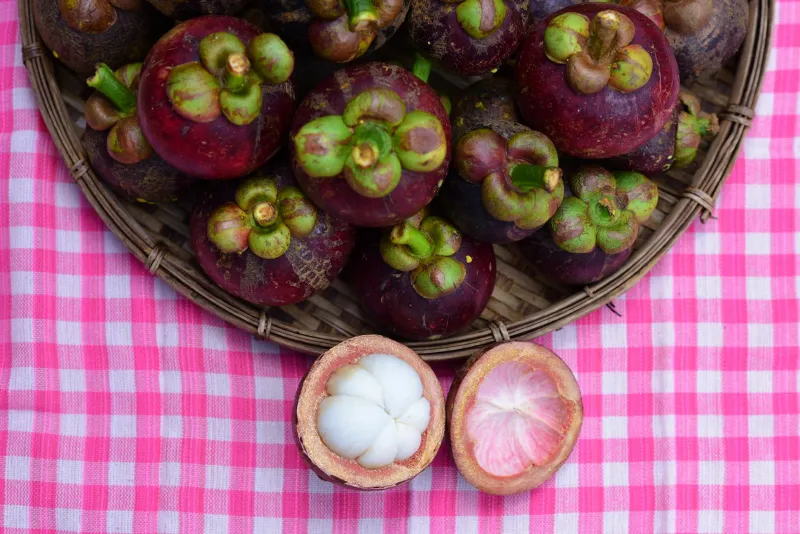
What Is Garcinia and Why Does Form Matter?
Garcinia (Garcinia cambogia, also known as Malabar tamarind) is a tropical fruit whose rind is the primary commercial source of hydroxycitric acid (HCA). HCA is the compound most commonly studied in relation to appetite and fat metabolism. The fruit itself is used as a souring agent in South Asian cooking, but in the supplement industry garcinia is almost exclusively encountered as a concentrated extract.
Choosing the right form of garcinia matters because HCA content, bioavailability, and cost vary substantially between product types. Many consumers assume all garcinia products are equivalent — this is rarely true.
Garcinia Forms Compared
| Form | HCA delivery | Convenience | Cost per dose | Notes |
|---|---|---|---|---|
| Standard capsule (dried extract) | Consistent if standardised | High | Low–moderate | Most common format; check HCA % specified |
| Powder (loose) | Mixable; can use suboptimal doses | Moderate — requires measuring | Lower | Useful for customising dose; bitter taste |
| Liquid extract | Potentially faster absorption | High | Moderate–high | Variable HCA content between products |
| Combination blends (with chromium, L-carnitine, etc.) | HCA dose often lower due to blend space | High | Variable | Complex formulas; harder to assess individual HCA dose |
| Gummies / chews | Lowest HCA per serving (space taken by sugars) | Highest | High per effective dose | Convenience product; not ideal for therapeutic HCA dose |
Bioavailability Differences
HCA from garcinia extract is absorbed in the small intestine. The form of the calcium salt used in manufacturing affects dissolution and release. Free-acid HCA has been suggested to have better bioavailability than calcium-bound HCA, though head-to-head human data remain limited. A study examining garcinia extract pharmacokinetics showed peak plasma HCA within a few hours of oral dosing (Hayamizu et al., 2008).
The most important practical variable is whether the product discloses a verified HCA percentage. Products labelled as "garcinia extract" without an HCA specification may deliver minimal active compound. Look for standardised extracts with at least 50–60% HCA stated on the label and ideally verified by third-party analysis.
Cost Per Effective Dose
Garcinia supplement costs vary enormously, and price alone is a poor guide to value. A lower-priced capsule with 60% standardised HCA may deliver better value than a premium liquid product where HCA percentage is unstated or low. Calculate cost per gram of actual HCA (not per capsule or per bottle) to compare products fairly.
Blend products that combine garcinia with other ingredients (chromium picolinate, green tea, L-carnitine) may have appeal for convenience, but the individual HCA dose per serving is often lower than a single-ingredient product.
Which Form for Which Goal
- Appetite management support: Standardised HCA capsules with verified concentration are the most practical daily format. Research studies have typically used defined HCA amounts, and capsules make dosing consistent.
- Flexibility and customisation: Powder format allows dose adjustment and mixing into shakes or smoothies — relevant for those already using powdered dietary supplements.
- Combination metabolic support: Blends with complementary ingredients (chromium, L-carnitine) may offer practical convenience for those targeting multiple mechanisms, provided the individual ingredient doses are disclosed.
What to Look for on the Label
Key quality checks for garcinia supplements:
- HCA percentage clearly stated — minimum 50% HCA; products without this figure have unknown active content
- Potassium or calcium salt form disclosed — free-acid or potassium-bound HCA is considered more bioavailable than pure calcium-bound
- Third-party testing — especially important given historical adulteration issues in the weight management supplement sector
- Serving size and servings per container — calculate total HCA per daily dose
- No proprietary blend — if garcinia is listed in a proprietary blend without individual amounts, you cannot know the actual HCA dose
Browse the garsiinia supplement category at maxfit.ee for verified options with disclosed HCA content.
FAQ
What HCA percentage should I look for in a garcinia supplement?
Most products on the market range from 50% to 65% HCA. Products specifying 60% HCA are a reasonable standard; anything below 50% or unspecified should be approached with scepticism about active content.
Is garcinia extract safe?
At typical supplement doses, garcinia extract is generally considered safe for short-term use in healthy adults. Case reports of liver toxicity have appeared in the literature, though causality with single-ingredient garcinia is difficult to establish given that affected products often contained multiple ingredients (Lunsford et al., 2016). As a precaution, those with liver disease should avoid high-dose use.
Can I get HCA from eating Garcinia fruit?
Garcinia fruit rind is used in South Asian cooking as a souring agent (similar to tamarind). The rind contains HCA, but exact amounts in prepared dishes are variable and generally lower than supplement doses. Garcinia as a fruit is not readily available in Estonian shops, so supplemental forms are the practical route for most people.
References
Hayamizu, K., Ishii, Y., Kaneko, I., Shen, M., Okuhara, Y., Shigematsu, N., & Shimasaki, H. (2008). Effects of Garcinia cambogia (hydroxycitric acid) on visceral fat accumulation: a double-blind, randomized, placebo-controlled trial. Current Therapeutic Research, 64(8), 551-567.
Lunsford, K. E., Bodzin, A. S., Reino, D. C., Wang, H. L., & Busuttil, R. W. (2016). Dangerous dietary supplements: Garcinia cambogia-associated hepatic failure requiring transplantation. World Journal of Gastroenterology, 22(45), 10071-10076. https://pubmed.ncbi.nlm.nih.gov/28018115/
Onakpoya, I., Hung, S. K., Perry, R., Wider, B., & Ernst, E. (2011). The use of Garcinia extract (hydroxycitric acid) as a weight loss supplement: a systematic review and meta-analysis of randomised clinical trials. Journal of Obesity, 2011, 509038.



