Garcinia for Women: Benefits and Considerations
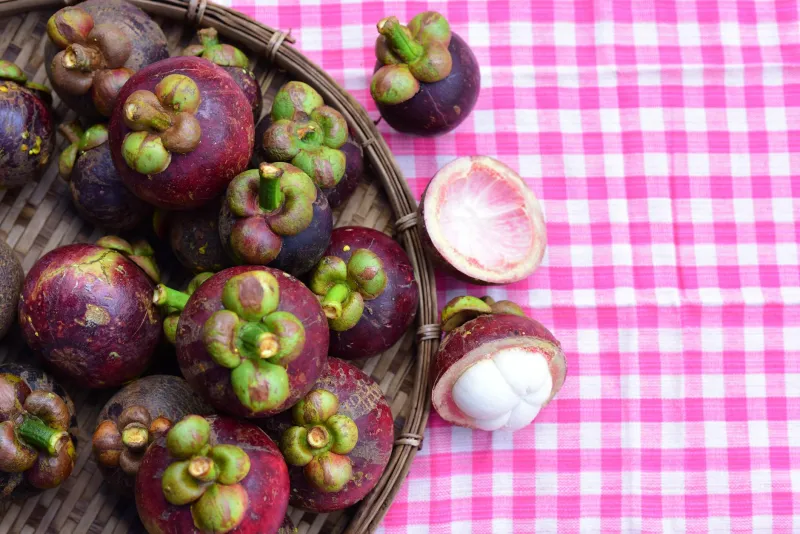
Garcinia cambogia — a small tropical fruit whose rind is rich in hydroxycitric acid (HCA) — is among the most popular weight-management supplements worldwide, and it is particularly heavily marketed toward women. The claims are significant: suppressed appetite, inhibited fat synthesis, and easier weight loss. Before investing, it is worth looking at what the evidence actually shows and whether any specific benefits or risks apply when it comes to garcinia for women.
Why Women May Consider Garcinia
The weight-management context is the primary driver. Women face particular challenges with body composition during hormonal transitions (postpartum recovery, perimenopause), and appetite suppression is frequently cited as a specific need. Garcinia's proposed mechanism — HCA inhibiting citrate lyase, an enzyme involved in fat synthesis, and potentially raising serotonin to reduce appetite — sounds appealing on paper.
However, the practical evidence for these mechanisms translating to meaningful weight loss in humans is weaker than the marketing suggests.
What Clinical Evidence Shows
A Cochrane-referenced systematic review by Onakpoya et al. in Journal of Obesity (2011) analysed twelve randomised controlled trials of Garcinia cambogia and found that while HCA supplementation produced a small but statistically significant reduction in body weight compared to placebo, the effect size was modest and the clinical significance was uncertain (Onakpoya et al., 2011). The mean difference in weight loss versus placebo was small across studies, and the authors noted that most trials were short in duration and varied in methodology.
A later RCT by Hayamizu et al. in Fitoterapia (2003) found that Garcinia cambogia extract contributed to body fat reduction compared to placebo over twelve weeks, supporting a modest effect on fat mass (Hayamizu et al., 2003). Notably, neither study reported effects specific to women.
The key takeaway: garcinia supplementation may produce a modest effect on body weight when combined with a calorie-controlled diet, but it is not a standalone fat-loss solution and the effect is far smaller than marketing material typically implies.
Hormonal and Life-Stage Notes
There is no robust evidence that garcinia affects female sex hormones (oestrogen, progesterone) at typical supplement doses. The serotonergic mechanism — HCA may modestly raise serotonin — is relevant for women, who are more likely than men to experience serotonin-related mood fluctuations during the luteal phase of the menstrual cycle. Some users report improved mood alongside appetite control, though this remains anecdotal.
For perimenopausal and postmenopausal women, the evidence does not specifically support any hormonal or weight benefit beyond what might be seen in other populations.
Dose Considerations
Most studies have used doses in the range of 1500–3000 mg of Garcinia cambogia extract per day, standardised to 50–60% HCA content. This is equivalent to roughly 750–1500 mg of HCA daily. Many supplements on the market contain significantly lower doses, which may explain why real-world outcomes often fall short of study findings. Always check the HCA percentage on the label — the extract weight alone is not a reliable indicator.
Timing is commonly recommended as 30–60 minutes before meals, based on the proposed appetite-suppression mechanism. Whether strict timing materially affects outcome is not well established.
Pregnancy and Safety Notes
Garcinia cambogia supplements are not recommended during pregnancy or breastfeeding. Reasons include:
- The safety of HCA for fetal development has not been studied in humans.
- Animal studies have raised concerns about potential developmental effects at high doses.
- Serotonergic effects are an additional area of uncertainty during pregnancy.
Some case reports have linked Garcinia cambogia use to liver toxicity, though these are rare and often involved products containing multiple stimulants rather than HCA alone. At typical supplement doses, hepatotoxicity risk appears low for healthy individuals, but anyone with pre-existing liver conditions should avoid use.
Bottom Line
Garcinia for women is a supplement with modest evidence of a small weight-management effect when combined with a controlled diet. It is not a substitute for dietary change and exercise, and the effect size seen in research is substantially smaller than the marketing framing suggests. It is not appropriate during pregnancy or breastfeeding. For healthy non-pregnant women seeking additional appetite support during a calorie-controlled phase, it may contribute a marginal benefit.
You can explore weight management supplements at MaxFit including garcinia options.
FAQ
Does garcinia work differently for women than for men?
The clinical evidence has not identified sex-specific differences in response to HCA supplementation. Any effect on weight or appetite appears similar across sexes. Women may be more likely to notice the putative serotonergic effect on mood, but this is speculative.
How long should women take garcinia?
Most clinical trials run for 8–12 weeks. Beyond three months of continuous use, safety data become thinner and there is no evidence of sustained additional benefit over prolonged use. Periodic breaks (e.g., after 8–12 weeks) are a common practical recommendation.
Is garcinia safe to use alongside other weight-loss supplements?
Combining garcinia with stimulant-containing fat burners is not recommended, as the combination has not been studied and the risk of adverse effects (including cardiovascular effects and liver stress) may be additive. Consult a healthcare professional before combining supplements.
References
Onakpoya, I., Hung, S. K., Perry, R., Wider, B., & Ernst, E. (2011). The use of Garcinia extract (hydroxycitric acid) as a weight loss supplement: a systematic review and meta-analysis of randomised clinical trials. Journal of Obesity, 2011, 509038. https://pubmed.ncbi.nlm.nih.gov/21197150/
Hayamizu, K., Ishii, Y., Kaneko, I., Shen, M., Okuhara, Y., Shigematsu, N., Tomi, H., Furuse, M., Yoshino, G., & Shimasaki, H. (2003). Effects of Garcinia cambogia (hydroxycitric acid) on visceral fat accumulation: a double-blind, randomized, placebo-controlled trial. Fitoterapia, 74(3), 267–276. https://pubmed.ncbi.nlm.nih.gov/12727492/



