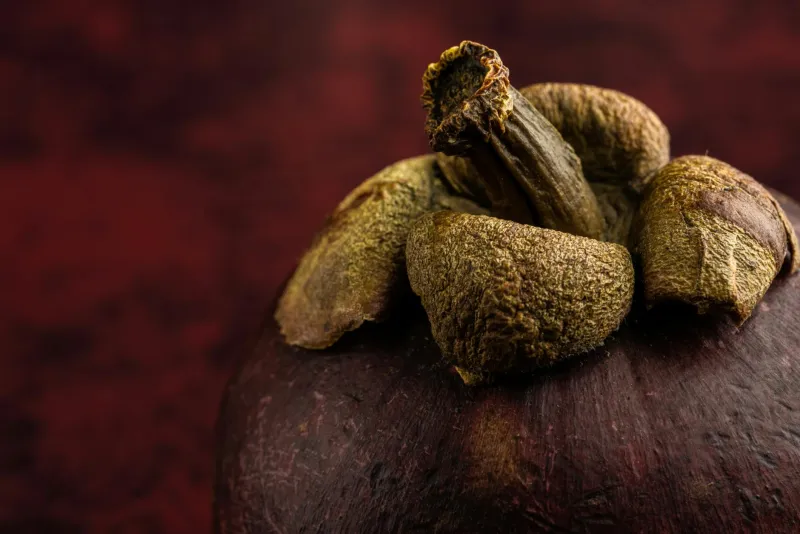
Garcinia and the Over-50 Body
Garcinia cambogia is a tropical fruit whose rind contains hydroxycitric acid (HCA), the compound most associated with its use as a weight-management supplement. Interest in garcinia for seniors has grown as more older adults seek dietary support for weight control alongside healthy eating and physical activity.
After 50, body composition shifts: fat mass tends to increase while muscle mass decreases, and basal metabolic rate declines gradually. These changes make weight management feel more challenging than it was in earlier decades. Understanding what garcinia may realistically offer — and what it cannot — is important before adding it to a daily routine.
What the Research Shows
The primary proposed mechanism of HCA is inhibition of an enzyme involved in fat synthesis, alongside a possible modest effect on appetite. Clinical trials in adults have produced mixed results. A meta-analysis found a statistically significant but clinically modest effect of garcinia on body weight compared to placebo (Onakpoya et al., 2011). However, the magnitude of the effect was small, and most trials lasted only 12 weeks or less.
No large, long-term randomised controlled trials have specifically examined garcinia in adults over 50. Extrapolating from younger adult populations is reasonable but should be done cautiously.
Age-Related Absorption and Metabolism Changes
After 50, several digestive and metabolic changes affect how supplements work:
- Gastric emptying slows, which may alter the timing of HCA absorption relative to meals.
- Liver enzyme activity changes, which is relevant because HCA is metabolised hepatically. Older adults with any degree of compromised liver function should exercise extra caution.
- Body fat distribution shifts toward visceral fat, which responds less readily to many dietary interventions than subcutaneous fat.
Dose, Safety, and Sensible Expectations
Typically studied doses of HCA in clinical trials range from around 1,000 mg to 2,800 mg per day, split across meals. Label doses on commercially available garcinia supplements often fall within this range. Following label instructions and not exceeding recommended amounts is advisable.
Reported side effects in studies include headache, digestive discomfort, and — in some cases at higher doses — liver enzyme elevations. Cases of hepatotoxicity (liver damage) have been reported, predominantly at higher doses and with prolonged use (Crescioli et al., 2018). Older adults, whose liver detoxification capacity may be somewhat reduced, should be aware of this risk.
Garcinia is available in the weight management section at maxfit.ee as part of a broader range of fat-burner supplements. Other options in the same category include OstroVit L-Carnitine 1250 60caps and OstroVit Fat Burner for women 60caps, which may suit different weight management goals.
Interactions With Medications Common in Older Adults
Several common medications in older adults may interact with garcinia or HCA:
- Statins: some case reports have associated garcinia with an increased risk of rhabdomyolysis (muscle breakdown) in people also taking statins. If you are on a statin, discuss with your physician before starting garcinia.
- Diabetes medications: HCA may modestly lower blood glucose. Combined with diabetes medication, this could theoretically increase hypoglycaemia risk. Monitor blood glucose if you begin supplementation.
- Anticoagulants: limited data suggest possible interactions; consult a healthcare provider.
- Antidepressants: garcinia may affect serotonin levels; combining with SSRIs or other serotonergic drugs warrants caution.
When a Supplement Like Garcinia May Be Considered
Garcinia is most appropriately considered as a modest supplementary tool, not a primary weight-loss strategy. It may be worth considering if:
- You have already addressed diet quality and physical activity and want an additional support.
- You do not take medications with potential interaction risk.
- You have discussed the addition with a healthcare provider.
It is not appropriate as a substitute for lifestyle changes. Older adults who haven't yet addressed eating patterns and physical activity are likely to see greater benefit from those changes than from any supplement.
Practical Guidance for Seniors
- Take with water roughly 30 minutes before main meals, as most trials have used this protocol.
- Limit use to short cycles — do not use continuously for months without a break and liver function monitoring.
- Stop use and consult a doctor if you notice unexplained fatigue, yellowing of the skin or eyes, or dark urine, which may signal liver stress.
- Combine with a calorie-appropriate diet and regular movement for best results.
Browse the full weight management supplement range at maxfit.ee to compare options suitable for different health profiles.
References
Onakpoya, I., Hung, S. K., Perry, R., Wider, B., & Ernst, E. (2011). The use of Garcinia extract (hydroxycitric acid) as a weight loss supplement: A systematic review and meta-analysis of randomised clinical trials. Journal of Obesity, 2011, 509038. https://pubmed.ncbi.nlm.nih.gov/21197150/
Crescioli, G., Lombardi, N., Bettiol, A., Marconi, E., Risaliti, F., Bertoni, M., Menniti-Ippolito, F., Da Cas, R., Mugelli, A., & Vannacci, A. (2018). Acute liver injury following Garcinia cambogia weight-loss supplementation: Case series and literature review. Internal and Emergency Medicine, 13(6), 857-872. https://pubmed.ncbi.nlm.nih.gov/29802521/
Mattes, R. D., & Bormann, L. (2000). Effects of (-)-hydroxycitric acid on appetitive variables. Physiology & Behavior, 71(1-2), 87-94.
FAQ
Is garcinia safe for older adults taking multiple medications?
Garcinia may interact with statins, diabetes medications, anticoagulants, and antidepressants — medications frequently prescribed to older adults. Anyone taking prescription drugs should consult their doctor or pharmacist before starting garcinia.
How long can seniors use garcinia supplements?
Most clinical studies lasted 12 weeks or less. Long-term use, particularly at higher doses, has been associated with liver enzyme elevations in some individuals. Taking breaks from use and having liver function checked if you use garcinia regularly is prudent.
Can garcinia help older adults lose weight without diet changes?
The evidence shows only modest effects even with dietary changes in place. Without addressing calorie intake and physical activity, garcinia alone is unlikely to produce meaningful weight loss. It works best as a supplement to, not a substitute for, lifestyle improvements.



