Garcinia for Athletes: Performance Evidence
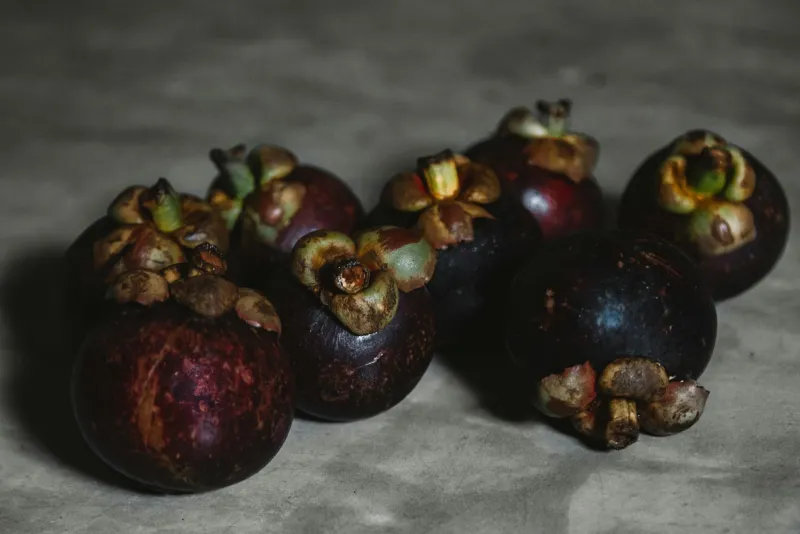
Garcinia cambogia is a tropical fruit whose rind contains hydroxycitric acid (HCA), a compound that has been studied for its effects on fat metabolism, appetite, and energy balance. For athletes, the interest in garcinia centres on whether HCA meaningfully supports fat loss or endurance without undermining performance. This evidence review provides an honest assessment.
Mechanism in Sport
HCA is structurally similar to citric acid and is proposed to inhibit the enzyme ATP-citrate lyase, which plays a role in converting carbohydrates to fat in the liver. By reducing lipogenesis, HCA may theoretically shift the metabolic preference toward fat oxidation during exercise and reduce fat storage during overfeeding.
HCA has also been proposed to influence serotonin turnover, potentially modulating appetite. In animal studies, this has been associated with reduced food intake, though the translation to humans is inconsistent.
A third proposed mechanism is glycogen sparing: if fat oxidation is enhanced, glycogen stores may be preserved for longer during exercise, theoretically extending endurance. This glycogen-sparing hypothesis has been tested in human trials.
Strength and Endurance Evidence
The evidence in humans is genuinely mixed. A meta-analysis by Onakpoya et al. (2011) reviewed randomised controlled trials of HCA supplementation and found small, statistically significant short-term reductions in body weight compared to placebo, though the authors noted that the clinical meaningfulness of these differences was questionable and that study quality was variable.
For athletic performance specifically, Lim et al. (2005) reported in a controlled crossover trial that HCA supplementation was associated with increased fat oxidation and prolonged time to exhaustion during moderate-intensity cycling compared to placebo, suggesting a potential glycogen-sparing effect. However, this was a single small study and replication in larger, well-controlled trials is needed before conclusions can be drawn.
For strength sports, there is no well-powered RCT demonstrating a meaningful effect of HCA on power output, one-repetition maximum, or other strength metrics. Garcinia is not a performance enhancer in the conventional sense for strength athletes.
Effective Protocol
HCA is typically used in capsule or tablet form. For athletes interested in exploring garcinia during a fat-loss phase, HCA supplements are most commonly taken before meals. Following product label directions for dosage is recommended.
Since no garcinia products are currently listed in the maxfit.ee catalogue, athletes looking for a weight-management aid might also consider researching related fat-management categories at maxfit.ee.
HCA should not be taken simultaneously with statins or diabetes medications without medical consultation, as interaction risks have been raised in case reports.
Who Benefits
Garcinia may offer marginal support to athletes in a structured caloric deficit who are specifically targeting fat loss alongside endurance training. The potential glycogen-sparing mechanism is theoretically relevant to endurance athletes, though evidence remains preliminary.
Athletes in a muscle-building phase, those doing primarily strength training, and those seeking acute performance enhancement are unlikely to see meaningful benefit from garcinia.
Honest Verdict
Garcinia for athletes sits in a difficult position: it has a plausible mechanism, some positive human data, but also several null or methodologically weak studies. The headline claims made in consumer marketing are not consistently supported by the clinical literature. Realistic expectations are modest effects on body weight during caloric restriction, with possible — but not confirmed — endurance benefits.
Anyone considering garcinia should weigh it against more robustly evidenced tools for athletic fat-loss phases: sufficient protein intake, a small but consistent caloric deficit, and a well-periodised training programme will deliver more reliable results than any single supplement.
References
Onakpoya, I., Hung, S. K., Perry, R., Wider, B., & Ernst, E. (2011). The use of Garcinia extract (hydroxycitric acid) as a weight loss supplement: a systematic review and meta-analysis of randomised clinical trials. Journal of Obesity, 2011, 509038. https://pubmed.ncbi.nlm.nih.gov/21197150/
Lim, K., Ryu, S., Nho, H. S., Choi, S. K., Kwon, T., Suh, H., So, J., & Tomita, K. (2005). (-)-Hydroxycitric acid ingestion increases fat utilization during exercise in untrained women. Journal of Nutritional Science and Vitaminology, 51(4), 295–299. https://pubmed.ncbi.nlm.nih.gov/15915661/
Heymsfield, S. B., Allison, D. B., Vasselli, J. R., Pietrobelli, A., Greenfield, D., & Nunez, C. (1998). Garcinia cambogia (hydroxycitric acid) as a potential antiobesity agent: a randomized controlled trial. JAMA, 280(18), 1596–1600. https://pubmed.ncbi.nlm.nih.gov/9820262/
FAQ
Is garcinia effective for weight loss in athletes?
Garcinia may produce small, short-term reductions in body weight during caloric restriction, according to meta-analytic evidence. The effect size is modest and unlikely to replace the impact of a properly structured diet and training programme.
Can garcinia improve endurance performance?
One small controlled crossover trial suggested a possible glycogen-sparing effect with HCA supplementation during moderate-intensity cycling. However, this finding requires replication in larger studies before it can be considered established.
Are there any interactions athletes should know about?
HCA should not be combined with statins or diabetes medications without consulting a doctor. Those with liver conditions should also exercise caution, as case reports of liver injury associated with garcinia-containing products exist in the literature.



