What Is Garcinia and How Is It Supposed to Work?
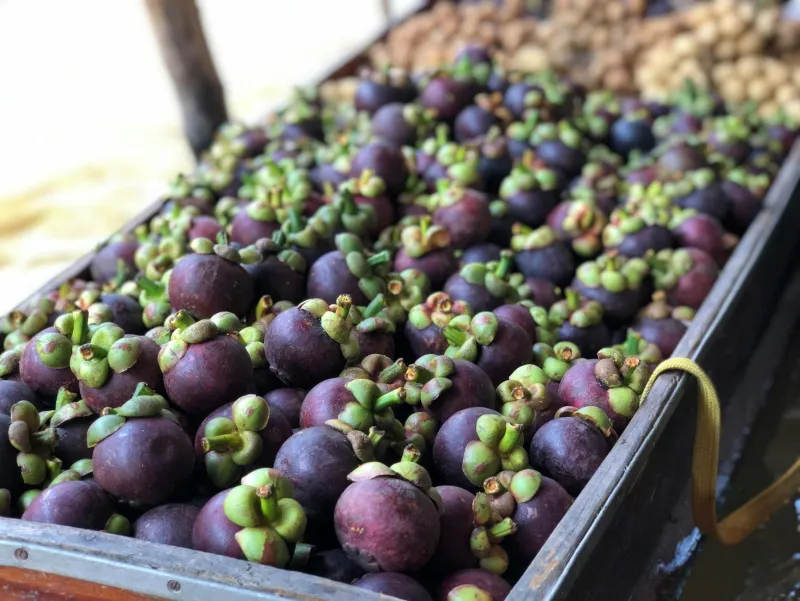
Garcinia cambogia (also known as Garcinia gummi-gutta or Malabar tamarind) is a small tropical fruit native to South and Southeast Asia. The active compound in its rind, hydroxycitric acid (HCA), is the basis of commercial garcinia supplements.
HCA has been proposed to work through two mechanisms: first, inhibiting ATP citrate lyase, an enzyme involved in fat synthesis, which may reduce new fat formation; second, increasing serotonin levels, which could suppress appetite. These mechanisms have been demonstrated at the cellular level, but translating them into meaningful human weight loss is a different matter.
What the Evidence Shows
Randomised Controlled Trials
Human clinical trials on garcinia have produced inconsistent and predominantly disappointing results. The most cited RCT, by Heymsfield et al. (1998), randomised 135 overweight adults to either HCA or placebo for 12 weeks combined with a high-fibre, low-energy diet. The HCA group did not lose significantly more weight than the placebo group — both groups lost weight, with no statistically meaningful difference between them.
A subsequent systematic review and meta-analysis by Onakpoya et al. (2011) pooled 12 randomised trials and found a statistically significant but very small difference in body weight favouring HCA over placebo. The authors concluded that the evidence was limited by short trial duration, small sample sizes, and high heterogeneity, and that the clinical relevance of the observed effect was uncertain.
Why Results Are Inconsistent
Several factors may explain the variability in findings: differing HCA concentrations across products, variable bioavailability, interaction with dietary fibre (high-fibre diets may reduce HCA absorption), and the background diet used in each trial. No consistent dose-response relationship has been established for humans.
Effect Sizes and Who Benefits
Based on the available meta-analytic evidence, any weight-loss effect of garcinia HCA in humans is very small — likely in the range of less than 1 kg over several weeks compared to placebo. This effect, if real, is not clinically meaningful for most people and is dwarfed by the effect of dietary changes and increased physical activity.
There is no identified subgroup of patients that consistently responds to garcinia supplementation. EFSA has not approved any health claim for garcinia or HCA for weight management.
Safety Considerations
Garcinia supplements have generally been considered safe at typical doses in short-term studies. However, there are reports of liver toxicity associated with garcinia products, including cases of acute hepatitis. The FDA and other regulatory bodies have issued warnings about garcinia-containing products in specific commercial formulations (often containing multiple ingredients), though causality has been difficult to establish.
Garcinia may also have mild blood sugar-lowering effects, which could be relevant for people taking antidiabetic medication.
EFSA-Approved Claims
EFSA has not approved any health claim for hydroxycitric acid or garcinia cambogia. Marketing claims implying proven fat-burning or appetite-suppression effects are not supported by EU-authorised science.
Honest Verdict
The evidence for garcinia cambogia as a weight-loss supplement is weak. The proposed mechanisms are plausible at the cellular level, but clinical trials have not demonstrated a meaningful weight-loss benefit beyond placebo. EFSA has not found the evidence sufficient to approve a claim. Garcinia is not a substitute for a calorie-controlled diet and regular physical activity, which have a vastly stronger evidence base for weight management.
References
Heymsfield, S. B., Allison, D. B., Vasselli, J. R., et al. (1998). Garcinia cambogia (hydroxycitric acid) as a potential antiobesity agent: a randomized controlled trial. JAMA, 280(18), 1596–1600. https://doi.org/10.1001/jama.280.18.1596
Onakpoya, I., Hung, S. K., Perry, R., et al. (2011). The use of Garcinia extract (hydroxycitric acid) as a weight loss supplement: a systematic review and meta-analysis of randomised clinical trials. Journal of Obesity, 2011, 509038. https://doi.org/10.1155/2011/509038
FAQ
Is garcinia cambogia effective for weight loss?
Current evidence from randomised controlled trials and meta-analyses does not show a clinically meaningful weight-loss benefit from garcinia cambogia. Any statistical effect found in pooled analyses is very small and its real-world significance is uncertain.
Is garcinia cambogia safe?
Garcinia has generally been considered safe in short-term studies, but isolated case reports of liver toxicity have been published. People with liver disease or those taking blood sugar-lowering medication should exercise caution.
What does EFSA say about garcinia?
EFSA has not approved any health claim for garcinia or its active compound hydroxycitric acid. Claims about fat burning or appetite suppression are not EFSA-authorised in the EU.



