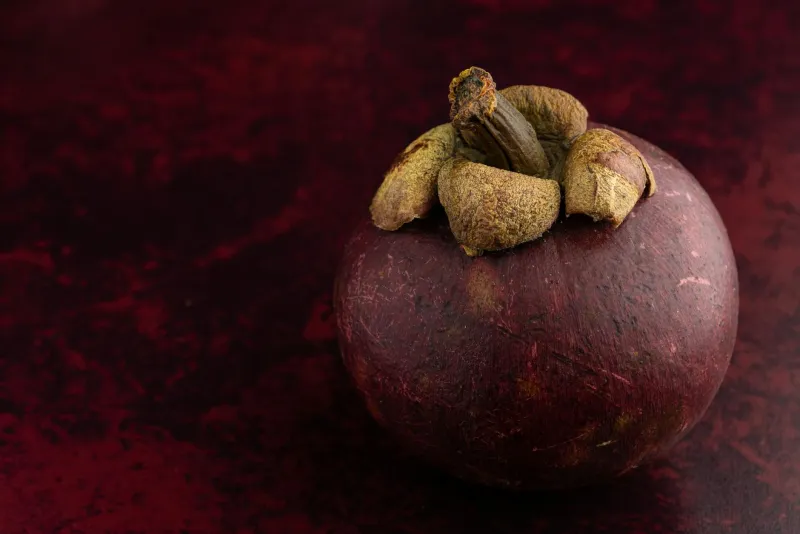
What Is Garcinia and Why Does Dosage Matter?
Garcinia cambogia is a tropical fruit whose rind contains hydroxycitric acid (HCA), the compound studied for its effects on fat metabolism and appetite. Getting the garcinia dosage right matters because the studies that showed measurable effects used specific standardised amounts — too little and you may see no effect; too much offers no additional benefit and raises the risk of adverse reactions.
This guide summarises what peer-reviewed research says about dosing, timing, and safety. It is not medical advice, and garcinia is not a treatment for any disease.
Studied Effective Dose Ranges
Most human trials have used total daily HCA doses in the range studied by Preuss et al. (2004), who tested standardised garcinia extract in overweight adults. The extract in supplement form is typically standardised to 50–60% HCA, so the capsule weight and the active-compound dose are not the same — always check the label for the HCA percentage.
In a meta-analysis by Onakpoya et al. (2011), the included trials used daily HCA doses ranging from about 1,500 mg to 2,800 mg. The pooled analysis found a small but statistically significant reduction in body weight compared with placebo (Onakpoya et al., 2011). Effect sizes were modest, and the authors noted that the clinical significance remains uncertain.
Dose by Goal
For general weight-management support, the doses used in the reviewed trials suggest splitting the daily HCA total into two or three doses taken before meals. A common protocol seen in research is taking a dose 30–60 minutes before the two largest meals of the day.
Body weight does not appear to be a major factor in dose selection based on available data. Studies enrolled participants across a range of body weights without weight-based dose adjustment. Start at the lower end of the studied range and assess tolerance before increasing.
Upper Limits and Safety
EFSA has not established a formal tolerable upper intake level for HCA, and regulatory agencies generally treat garcinia extracts as food supplements rather than medicines. However, case reports have linked very high-dose use (well above studied ranges) to liver toxicity. The US National Institutes of Health advises caution and notes that serious adverse events have been reported, though causality is not always confirmed.
A prudent upper limit based on studied doses is around 2,800 mg HCA per day. Do not exceed label directions, and if you take medications or have liver conditions, consult a healthcare professional first.
Timing Relative to Meals
The rationale for pre-meal timing is that HCA may slow the conversion of carbohydrates to fat and may influence satiety signals. Taking the dose 30–60 minutes before eating allows absorption before food arrives in the gut. Taking garcinia with a large meal may reduce absorption due to binding with dietary fibre.
Avoid taking garcinia with high-fibre foods or other fibre supplements at the same time — fibre can bind HCA and reduce its bioavailability.
Practical Protocol
- Choose a product standardised to at least 50% HCA and check the per-serving HCA amount on the label.
- Start with one serving (check label dose) before your two main meals.
- Take it with a full glass of water, 30–60 minutes before eating.
- Evaluate after four weeks. If you notice no difference and tolerance is good, you may consider moving toward the upper studied dose.
- Cycle use: most studies ran for 8–12 weeks. There is no long-term safety data for continuous use beyond that period.
- Combine with a balanced diet and regular exercise — garcinia is not a standalone solution.
Looking for garcinia supplements? Browse the garsiinia category at maxfit.ee for available options.
FAQ
What is the standard garcinia dosage per day?
Most clinical trials used total daily HCA amounts between roughly 1,500 mg and 2,800 mg, split across two or three doses before meals. The right amount for you depends on the HCA percentage in your specific product — always read the label.
Should I take garcinia before or after meals?
Research protocols typically administered garcinia 30–60 minutes before meals. Taking it after eating is less studied and may reduce effectiveness due to fibre binding.
Can I take garcinia every day?
Short-term daily use up to about 12 weeks has been evaluated in trials. There is no robust long-term safety data. If you plan to use it longer, discuss with a healthcare professional.
References
Onakpoya, I., Hung, S. K., Perry, R., Wider, B., & Ernst, E. (2011). The use of Garcinia extract (hydroxycitric acid) as a weight loss supplement: a systematic review and meta-analysis of randomised clinical trials. Journal of Obesity, 2011, 509038. https://pubmed.ncbi.nlm.nih.gov/21197150/
Preuss, H. G., Bagchi, D., Bagchi, M., Rao, C. V. S., Dey, D. K., & Satyanarayana, S. (2004). Effects of a natural extract of (-)-hydroxycitric acid (HCA-SX) and a combination of HCA-SX plus niacin-bound chromium and Gymnema sylvestre extract on weight loss. Diabetes, Obesity and Metabolism, 6(3), 171–180. https://pubmed.ncbi.nlm.nih.gov/15056124/
Kim, Y. J., Choi, M. S., Park, Y. B., Kim, S. R., Lee, M. K., & Jung, U. J. (2013). Garcinia cambogia attenuates diet-induced adiposity but exacerbates hepatic collagen accumulations and hepatotoxicity. Nutrients, 5(7), 2735–2747. https://pubmed.ncbi.nlm.nih.gov/24352096/



