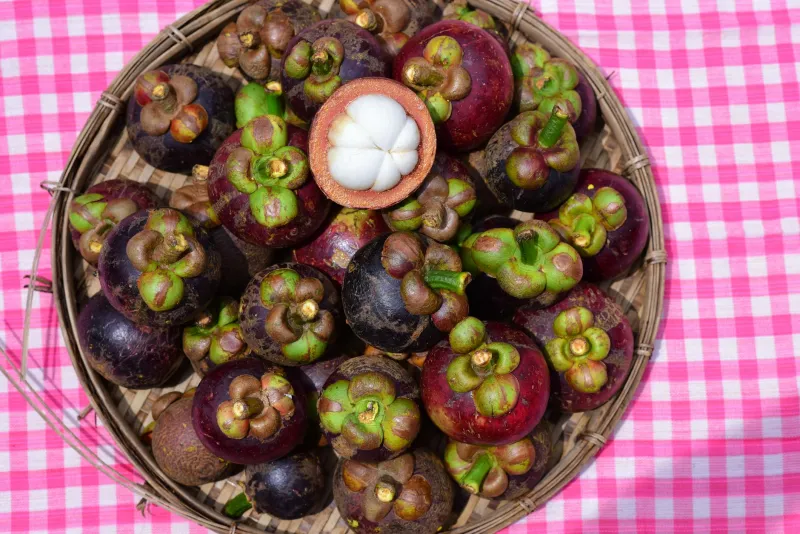
Garcinia for Beginners: A Complete Guide
Garcinia cambogia (also called Malabar tamarind) is a small, pumpkin-shaped fruit native to Southeast Asia and India. Its rind contains a compound called hydroxycitric acid (HCA), which is the primary bioactive behind most garcinia supplement claims. If you are considering trying garcinia for weight management, this guide gives you an honest, evidence-grounded overview of what to expect.
What Garcinia Does
HCA is thought to work through two main mechanisms:
- Inhibition of ATP-citrate lyase (ACL): HCA may inhibit this enzyme, which is involved in converting excess carbohydrates to fat (de novo lipogenesis). In theory, this could reduce fat storage.
- Appetite modulation via serotonin: HCA may increase serotonin availability in the brain, which could reduce appetite. Animal and some human studies have explored this.
The clinical picture in humans is modest. A meta-analysis of randomised controlled trials found that garcinia extract produced statistically significant but small reductions in body weight compared to placebo (Onakpoya et al., 2011). The authors noted that the magnitude of these effects is unlikely to be clinically meaningful without accompanying lifestyle changes.
In summary: garcinia may provide a small, short-term assist when combined with a healthy diet and exercise — it is not a standalone fat-loss solution.
How to Start
- Timing matters: HCA is typically recommended 30–60 minutes before meals to influence appetite and limit carbohydrate conversion. This is the timing used in most clinical trials.
- Start with label doses: Follow the manufacturer's instructions. Doses in studied trials ranged widely; do not exceed label recommendations.
- Combine with dietary changes: Clinical trials that showed benefit did so in the context of controlled diets. Using garcinia without reducing calorie intake is unlikely to produce meaningful results.
- Hydration: Drink adequate water throughout the day when taking any supplement.
- Cycle: Many protocols suggest 8–12 weeks of use with a break, though no specific cycling data for garcinia from human trials are available.
What to Expect and When
- Weeks 1–2: Some users report slightly reduced appetite. This is subjective and variable.
- Weeks 4–12: In clinical trials, weight differences between garcinia and placebo groups were small (Onakpoya et al., 2011). Do not expect dramatic changes from the supplement alone.
- No instant effect: Garcinia is not a stimulant. You will not feel an energy boost or immediate change.
Manage expectations: garcinia is a mild adjunct to weight management — not a replacement for the fundamentals of a calorie deficit and physical activity.
Common Mistakes
- Expecting major weight loss from the supplement alone: Without dietary and lifestyle changes, the expected effect is minimal.
- Ignoring hepatotoxicity signals: Rare but documented cases of liver injury have been linked to garcinia cambogia supplements. Stop use and seek medical attention if you develop jaundice, dark urine, or upper right abdominal pain (Lunsford et al., 2016).
- Exceeding recommended doses: Higher doses have not been shown to produce better results and may increase the risk of side effects.
- Taking it with other stimulants or appetite suppressants: Combining garcinia with other weight management supplements without medical guidance increases unpredictability.
- Choosing products with fillers: Some budget garcinia products contain very little actual HCA. Look for a stated HCA percentage (typically 50–60%) on the label.
Choosing a Garcinia Product
| Feature | What to look for |
|---|---|
| HCA content | 50–60% HCA standardisation stated on the label |
| Form | Capsules or tablets are most studied |
| Additives | Minimal fillers |
| Brand transparency | Certificate of analysis available |
| Dose per capsule | Consistent with amounts used in clinical research |
Explore weight management supplements including garcinia products in the fat burner category at maxfit.ee.
FAQ
Does garcinia work without dieting?
Evidence suggests that the effects of garcinia in clinical trials were small and most meaningful when accompanied by dietary control (Onakpoya et al., 2011). Without a calorie deficit, any effect from the supplement is likely to be negligible.
Is garcinia safe for everyone?
Garcinia is generally considered safe for short-term use in healthy adults. However, rare cases of liver injury have been reported (Lunsford et al., 2016). People with liver conditions, those on diabetes medications, or those taking statins should consult a doctor before use. Pregnant and breastfeeding women should avoid it.
How long should I take garcinia?
Most studied protocols ran for 8–12 weeks. Long-term safety data beyond this window are limited. A break between cycles is a standard precautionary approach.
References
Onakpoya, I., Hung, S. K., Perry, R., Wider, B., & Ernst, E. (2011). The use of Garcinia extract (hydroxycitric acid) as a weight loss supplement: a systematic review and meta-analysis of randomised clinical trials. Journal of Obesity, 2011, 509038. https://pubmed.ncbi.nlm.nih.gov/21197150/
Lunsford, K. E., Bhatt, D. L., Eckhoff, D. E., & Becker, M. W. (2016). Acute liver failure after the use of herbal and dietary supplements. Liver Transplantation, 22(6), 835-837.



