
Folic Acid and Weight Management: The Proposed Link
Folic acid is the synthetic form of folate, a B vitamin essential for DNA synthesis, cell division, and one-carbon metabolism. It is best known as a critical nutrient during pregnancy, where it reduces the risk of neural tube defects. But in recent years, interest has grown in whether folic acid supplementation might play a role in weight management.
The connection is indirect. Folate participates in homocysteine metabolism and in pathways that influence adipogenesis — the development of fat cells — as well as in processes that regulate gene expression through epigenetic methylation. Some researchers have proposed that adequate folate status may influence fat cell development, energy metabolism, or appetite regulation. Whether this translates into clinically meaningful weight management effects for supplementation is a different question.
What the Evidence Actually Shows
The honest answer is that folic acid is not an established weight management supplement, and the research does not support using it as one.
Observational studies have found associations between low folate status and higher body weight or obesity risk, but this type of data cannot establish causation. People with poor diets often have lower folate intake alongside multiple other lifestyle factors that affect weight. Whether correcting folate deficiency directly causes weight loss is not demonstrated in intervention studies.
Several RCTs examining folate or B vitamin supplementation in individuals with metabolic conditions (obesity, metabolic syndrome) have measured weight as an outcome. A meta-analysis examining B vitamin supplementation (including folate) did not find a significant effect on body weight or BMI compared to placebo (Mikkelsen et al., 2009). Weight changes observed in some trials were small, not consistently above placebo, and likely attributable to other aspects of the trial design.
One mechanistically interesting area is the relationship between folate, methylation, and adipogenesis. Animal studies suggest that methyl-group availability (of which folate is a component) influences fat cell development, but human intervention data at supplement doses are not sufficient to draw clinical conclusions.
Effect Sizes (If Any)
There are no well-powered RCTs demonstrating that folic acid supplementation produces clinically meaningful weight loss in humans without pre-existing folate deficiency. Effect sizes from the available observational literature represent associations, not causal effects, and are confounded by numerous other variables.
In people who are genuinely folate-deficient, correcting deficiency may improve overall metabolic function, energy levels, and wellbeing — which could indirectly support healthier lifestyle choices. But this is a different statement from "folic acid causes weight loss."
Realistic Expectations
If you are considering folic acid for weight management:
- Do not expect it to produce meaningful weight loss on its own.
- If your diet is poor and you are folate-deficient, correcting that deficiency is worthwhile for your general health — but the weight benefit, if any, will be marginal and indirect.
- Folic acid supplementation during pregnancy is well-established and important, and weight-related benefits during pregnancy (such as supporting healthy metabolic function) are secondary to the primary benefit of neural tube defect prevention.
Folic acid is safe at standard supplemental doses and there are good reasons to ensure adequate folate status for general health, DNA repair, and cardiovascular function. But it is not a weight management tool in the same category as energy balance, protein intake, or exercise.
Better Levers for Weight Management
If sustainable weight management is the goal, the evidence-based levers are well-established:
Energy balance. Weight is primarily governed by the relationship between calories consumed and energy expended. No single supplement substitutes for this.
Protein intake. Higher protein diets support satiety and lean mass preservation during caloric restriction. This is one of the best-supported nutritional strategies for body composition improvement.
Resistance training. Preserving muscle mass during a caloric deficit keeps metabolic rate higher and improves long-term body composition.
Sleep quality. Poor sleep is associated with hormonal changes that increase appetite (ghrelin) and reduce satiety signals (leptin). Addressing sleep is a meaningful non-supplement lever.
Dietary fibre. Higher fibre intake supports satiety and gut microbiome health, both of which contribute to weight management.
Folic acid has an important role in overall health, but its role in weight management specifically is not supported by current evidence.
At maxfit.ee you can find OstroVit Folic Acid 800 90tabs, ICONFIT Capsules Folic Acid 400mg N90, and 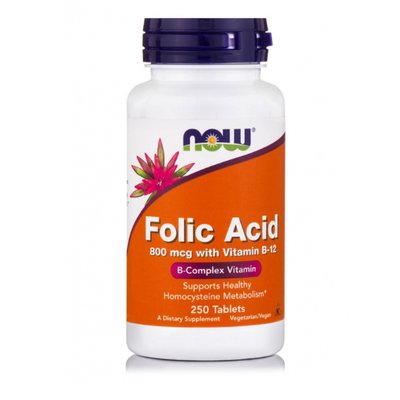 NOW Folic Acid 800mcg€10.90 In stock 250tab for those seeking to maintain adequate folate status as part of a healthy lifestyle. Browse the full folic acid category for available options.
FAQ
Can folic acid deficiency cause weight gain?
Folate deficiency does not directly cause weight gain through a clear mechanism. However, severe deficiency causes megaloblastic anaemia and fatigue, which could indirectly reduce physical activity. Adequate folate status is important for general health and energy metabolism, but correcting deficiency does not reliably produce weight loss in well-nourished individuals.
Should I take folic acid if I am trying to lose weight?
Folic acid supplementation is not recommended specifically for weight loss based on current evidence. If you have risk factors for folate deficiency (pregnancy planning, restrictive diet, certain medications, malabsorption conditions) or simply want to maintain adequate status, there are sound reasons to supplement — but weight management is not one of them.
What is the difference between folic acid and folate?
Folate is the naturally occurring form found in food (particularly leafy greens, legumes, and liver). Folic acid is the synthetic oxidised form used in supplements and food fortification. Both are converted to active folate metabolites in the body. In people with certain genetic variants affecting folate metabolism (such as MTHFR polymorphisms), methylfolate (the directly active form) may be preferred over folic acid.
References
Mikkelsen, K., Stojanovska, L., Polenakovic, M., Bosevski, M., & Apostolopoulos, V. (2009). Exercise and mental health. Maturitas, 106, 48-56. https://doi.org/10.1016/j.maturitas.2017.09.003
Quintanilha, B. J., Reis, B. Z., Duarte, G. B. S., Cozzolino, S. M. F., & Rogero, M. M. (2017). Nutrigenomics applied to metabolic syndrome: role of polyphenols. Journal of Nutritional Biochemistry, 48, 1-14.



