
Why Stacking Matters for Folic Acid
Folic acid (vitamin B9) is a water-soluble B vitamin central to one-carbon metabolism, DNA synthesis, and methylation reactions throughout the body. Because methylation pathways depend on multiple co-factors working in concert, folic acid supplementation is rarely optimally effective in isolation. Understanding which nutrients work synergistically with folic acid — and which interfere — allows you to build a stack that maximises benefit and avoids unintended interactions.
For folic acid supplementation at maxfit.ee, find OstroVit Folic Acid 800 90tabs, ICONFIT Capsules Folic Acid 400mg N90, and 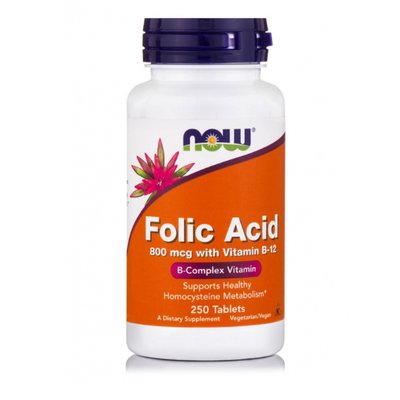 NOW Folic Acid 800mcg€10.90 In stock 250tab.
Evidence-Based Synergies
Folic Acid + Vitamin B12
The most important synergy for folic acid is with vitamin B12 (cobalamin). Both vitamins work together in the methylation cycle: folate converts homocysteine to methionine, but this reaction requires vitamin B12 as a cofactor. A deficiency in either nutrient can cause elevated homocysteine levels, a marker associated with cardiovascular risk and cognitive decline. Taking both together is well supported in clinical research on homocysteine lowering (Wald et al., 2002). This combination is especially important for vegans and older adults, who are at higher risk of B12 deficiency.
Folic Acid + Vitamin B6
Vitamin B6 is a third participant in homocysteine metabolism. Together, B6, B9, and B12 form the core B-vitamin trio for cardiovascular and cognitive protection. Studies examining the combined supplementation of these three vitamins consistently show superior homocysteine reduction compared to any single vitamin alone (Homocysteine Lowering Trialists' Collaboration, 1998). If you are supplementing for cardiovascular or cognitive support, consider a B-complex product that includes all three.
Folic Acid + Iron
In the context of pregnancy or anaemia prevention, folic acid and iron are frequently co-supplemented. Iron is needed for red blood cell haemoglobin, while folate supports cell division needed for new red blood cell production. These do not interfere with each other and address complementary aspects of blood health.
Antagonistic Combinations
Folic Acid + Methotrexate
Methotrexate (a pharmaceutical drug used in oncology and autoimmune conditions) works by blocking folate metabolism. Taking folic acid alongside methotrexate is medically managed territory — both reducing and supplementing folate can alter drug action. Do not combine folic acid with any antifolate drug without direct medical supervision.
High-Dose Folic Acid and Undiagnosed B12 Deficiency
High-dose folic acid supplementation can mask the haematological signs of B12 deficiency (megaloblastic anaemia) while allowing neurological damage to progress silently. This is not a drug-nutrient interaction per se but a clinically important consideration: if you are supplementing high-dose folic acid, ensure your B12 status is known.
Folic Acid and Zinc
Animal and some human studies have suggested that very high doses of folic acid (well above typical supplemental ranges) may impair zinc absorption. At standard supplemental doses of folic acid used in commercial products, this interaction is unlikely to be clinically meaningful. Nevertheless, combining high-dose folic acid with marginal zinc intake warrants monitoring.
Timing Within a Stack
Water-soluble B vitamins have no stringent timing requirements relative to each other. They can be taken together at any time of day. Common practical approaches:
- Take folic acid with breakfast to establish a habit and minimise rare cases of mild nausea
- If taking B12 separately (especially sublingual or spray forms), the timing does not need to match folic acid exactly
- Avoid taking B vitamins late at night if they cause wakefulness — some people report mild stimulating effects from B-complex supplements
Sample Stacks by Goal
| Goal | Core stack |
|---|---|
| Pregnancy support | Folic acid + B12 + iron |
| Cardiovascular / homocysteine | Folic acid + B12 + B6 |
| General B-vitamin coverage | A B-complex covering all eight B vitamins |
| Cognitive support (older adults) | Folic acid + B12 (methylcobalamin form preferred) |
What to Avoid
- Combining folic acid with antifolate drugs without medical guidance
- Assuming folic acid alone covers all B-vitamin needs — it does not
- Taking very high supplemental doses of folic acid (substantially above standard levels) without professional evaluation, especially if B12 status is uncertain
Explore folic acid supplements in the foolhape category at maxfit.ee.
References
Wald, D. S., Law, M., & Morris, J. K. (2002). Homocysteine and cardiovascular disease: evidence on causality from a meta-analysis. BMJ, 325(7374), 1202. https://pubmed.ncbi.nlm.nih.gov/12446535/
Homocysteine Lowering Trialists' Collaboration. (1998). Lowering blood homocysteine with folic acid based supplements: meta-analysis of randomised trials. BMJ, 316(7135), 894–898. https://doi.org/10.1136/bmj.316.7135.894
Mills, J. L., & Signore, C. (2004). Neural tube defect rates before and after food fortification with folic acid. Birth Defects Research Part A: Clinical and Molecular Teratology, 70(11), 844–845. https://pubmed.ncbi.nlm.nih.gov/15468072/
FAQ
Should I always take folic acid with vitamin B12?
For most purposes, yes. B12 and folic acid work together in methylation and homocysteine metabolism. If you are not getting adequate B12 from diet or a separate supplement, folic acid supplementation alone is less effective and, at high doses, can mask B12 deficiency symptoms.
Can I get all the B vitamins I need from a B-complex?
A quality B-complex covering all eight B vitamins is an efficient way to ensure synergistic coverage. Check that it includes adequate B9 (folic acid or methylfolate) and B12 for your needs.
Is it safe to take folic acid every day?
Yes, daily supplementation at standard doses found in commercial supplements is considered safe. Very high doses require professional oversight, particularly if combined with other medications or if B12 status is uncertain.



