
Folic Acid Myths vs Facts
Folic acid is one of the most universally recommended supplements, especially in pregnancy, yet it is also surrounded by persistent myths — from marketing overclaims to genuine scientific grey areas. Understanding the difference between what the evidence supports and what is exaggerated is important for anyone considering supplementation. This guide addresses the most common folic acid myths and what the research actually shows.
Common Myths
Myth 1: Folic Acid and Folate Are the Same Thing
The facts: Folic acid is a synthetic, oxidised form of the B vitamin. Natural folate (from food) and the active metabolic form (5-methyltetrahydrofolate, or 5-MTHF) are different compounds. The body must convert folic acid through several enzymatic steps before it becomes metabolically active. People with common variants in the MTHFR gene (which codes for a key enzyme in this conversion pathway) convert folic acid less efficiently. This distinction matters when choosing a supplement.
Myth 2: More Is Always Better
The facts: Folate is essential, and deficiency during early pregnancy is associated with increased risk of neural tube defects (NTDs) — this link is very well established (Czeizel & Dudas, 1992). However, intake above the tolerable upper level from synthetic folic acid may lead to unmetabolised folic acid (UMFA) accumulating in the blood. The long-term significance of UMFA is still debated, but it is not a neutral outcome. Supplements should cover the recommended range, not exceed it without clinical indication.
Myth 3: Folic Acid Prevents Cancer
The facts: This is one of the most complex and contested areas. Folate deficiency may increase the risk of certain cancers via effects on DNA methylation and repair. However, high synthetic folic acid intake in people with existing precancerous lesions may theoretically promote tumour progression — a so-called dual role of folate. A large meta-analysis found that folic acid supplementation had no significant effect on cancer incidence overall (Clarke et al., 2010). The relationship is far more nuanced than either promotional or alarmist framing suggests.
Myth 4: Everyone Needs Extra Folic Acid
The facts: Supplemental folic acid is strongly evidence-supported specifically for women of childbearing age (particularly in the periconceptional period) and for individuals with confirmed deficiency. For healthy non-pregnant adults with a balanced diet, additional folic acid supplementation delivers marginal benefit. Overclaiming universal need misrepresents the evidence.
What the Evidence Actually Shows
- Neural tube defect prevention: one of the most robust nutritional intervention findings in medicine. Periconceptional folic acid supplementation is clearly supported (Czeizel & Dudas, 1992).
- MTHFR variants: individuals with the C677T polymorphism convert folic acid less efficiently. Methylfolate (5-MTHF) forms may be preferable in this population, though whether this translates to better health outcomes remains under investigation.
- Homocysteine: folate (with vitamins B6 and B12) lowers homocysteine levels. Whether this homocysteine reduction translates to fewer cardiovascular events is not definitively established by RCT evidence (Clarke et al., 2010).
- Cognitive ageing: the evidence for folate in age-related cognitive decline is suggestive but not conclusive.
Marketing Claims vs Reality
| Common claim | Reality |
|---|---|
| 'Supports heart health' | Lowers homocysteine; CVD outcomes not definitively improved |
| 'Essential for everyone' | Evidence strongest in pregnancy and deficiency contexts |
| 'Natural folate from methylfolate' | 5-MTHF bypasses MTHFR conversion; may matter for some variants |
| 'High dose for extra protection' | UMFA accumulation is a concern; stay within recommended intake |
Grey Areas
- MTHFR and methylfolate: the evidence that methylfolate supplementation specifically benefits MTHFR variant carriers over standard folic acid, in terms of hard health outcomes, is not yet conclusive.
- Cancer risk with high-dose folic acid: biologically plausible concern, not definitively proven in observational or intervention data.
- Optimal form for pregnancy: some clinicians now recommend methylfolate instead of folic acid; guidelines vary by country.
OstroVit Folic Acid 800 90tabs, ICONFIT Capsules Folic Acid 400mg N90, and 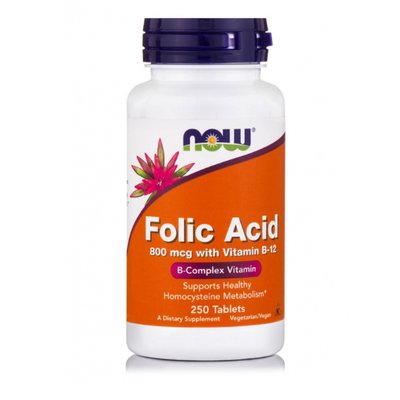 NOW Folic Acid 800mcg€10.90 In stock 250tab are all available at maxfit.ee for those who need a well-sourced folic acid supplement.
Browse the full folic acid range at maxfit.ee.
References
Czeizel, A. E., & Dudas, I. (1992). Prevention of the first occurrence of neural-tube defects by periconceptional vitamin supplementation. New England Journal of Medicine, 327(26), 1832-1835. https://pubmed.ncbi.nlm.nih.gov/1307234/
Clarke, R., Halsey, J., Lewington, S., Lonn, E., Armitage, J., Manson, J. E., Bonaa, K. H., Spence, J. D., Nygard, O., Jamison, R., Gaziano, J. M., Guarino, P., Bennett, D., Mir, F., Peto, R., & Collins, R. (2010). Effects of lowering homocysteine levels with B vitamins on cardiovascular disease, cancer, and cause-specific mortality: meta-analysis of 8 randomized trials involving 37,485 individuals. Archives of Internal Medicine, 170(18), 1622-1631. https://pubmed.ncbi.nlm.nih.gov/20937919/
Smith, A. D., Kim, Y. I., & Refsum, H. (2008). Is folic acid good for everyone? American Journal of Clinical Nutrition, 87(3), 517-533. https://doi.org/10.1093/ajcn/87.3.517
FAQ
Should I take methylfolate instead of folic acid?
If you have a known MTHFR C677T variant and are concerned about conversion efficiency, methylfolate (5-MTHF) is a reasonable choice because it bypasses the MTHFR step. For most people without this variant, standard folic acid at recommended doses is adequately converted. Discuss with your doctor if uncertain.
Is 800 mcg of folic acid safe?
For most adults, 800 mcg daily from supplements is within the commonly cited range and is the dose widely recommended for pregnancy risk reduction. Upper intake levels refer to synthetic folic acid specifically; dietary folate from food does not count toward this limit.
Can men benefit from folic acid supplementation?
Folate is essential for all humans for DNA synthesis and methylation. However, the clinical benefit of supplemental folic acid in healthy non-deficient men is modest and not a primary evidence-supported indication. Men with confirmed deficiency or specific conditions affecting folate metabolism may benefit.



