
Is Long-Term Folic Acid Use Safe?
Folic acid long-term supplementation is one of the most commonly asked-about topics in micronutrient supplementation. As a synthetic form of folate (vitamin B9), folic acid is widely recommended during pregnancy, used to support cardiovascular health, and taken as a general preventive supplement. Understanding the evidence on sustained use — including where legitimate concerns exist — helps you make a genuinely informed decision.
What Long-Term Studies Show
Folic acid has one of the most researched long-term safety profiles of any B vitamin. The synthetic form is efficiently converted to active folate in the liver and used in one-carbon metabolism for DNA synthesis, methylation, and amino acid interconversion.
A substantial body of evidence confirms that folic acid supplementation at typical doses is safe for long-term use. Large-scale trials and cohort studies spanning years have not identified consistent toxicity signals at doses within the range of most supplements. However, one area of genuine nuance emerged from cancer research: a meta-analysis of randomised trials found that folic acid supplementation was associated with a modestly increased risk of colorectal adenoma recurrence in people with a prior history of colorectal adenoma (Cole et al., 2007). This is a specific high-risk population context, not a finding generalised to healthy adults taking standard supplemental doses.
Products like OstroVit Folic Acid 800 90tabs, ICONFIT Capsules Folic Acid 400mg N90, and 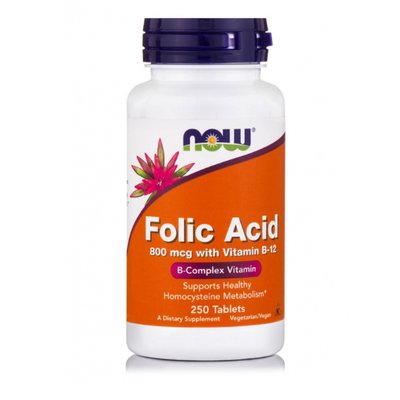 NOW Folic Acid 800mcg€10.90 In stock 250tab — available in the folic acid category at maxfit.ee — represent the dose range most commonly studied.
Upper Safe Limits Over Time
Folic acid has a well-established tolerable upper intake level set by regulatory authorities at 1000 micrograms (1 mg) per day from synthetic sources for adults. This upper limit was set based on the concern that high folic acid intake can mask the neurological symptoms of vitamin B12 deficiency — the folate corrects the anaemia but allows nerve damage to progress undetected.
At the doses found in typical supplements, folic acid is considered safe for ongoing use. Exceeding the upper limit through supplementation is possible if combining high-dose single-nutrient folic acid products with fortified foods and a B-complex simultaneously, which is worth monitoring.
Do You Need to Cycle?
There is no established rationale for cycling folic acid supplementation in healthy adults. Folate is a water-soluble vitamin, meaning excess is excreted rather than accumulated in tissues to any meaningful degree. Dependency or downregulation of endogenous folate metabolism has not been demonstrated at supplemental doses.
For populations with ongoing requirements — women of childbearing age are one example — continuous use is the standard recommendation. Cycling has no evidence-based benefit and introduces unnecessary gaps in coverage.
Monitoring
For most healthy adults, no formal monitoring is required during folic acid supplementation. The most clinically important consideration is ensuring adequate vitamin B12 status before and during long-term folic acid use. High folic acid intake can mask megaloblastic anaemia caused by B12 deficiency while the neurological damage continues — this is particularly relevant for older adults and people following plant-based diets.
If you are supplementing folic acid long-term, including a B12 check in any routine blood work is sensible. If you are at higher risk for colorectal conditions due to personal or family history, discuss supplemental folic acid dose with your physician.
Honest Verdict
For the vast majority of healthy adults, long-term folic acid supplementation at doses within the tolerable upper intake level is safe and appropriate, particularly for those with increased requirements (pregnancy, certain medical conditions, dietary patterns low in natural folate). The main nuances to keep in mind are: (1) the B12 masking concern, which is manageable by monitoring B12 status; and (2) the adenoma-recurrence signal in a specific high-risk population, which is not generalised to healthy adults.
If your diet is varied and includes leafy greens, legumes, and fortified grains, your food-folate intake may already be sufficient without supplementation — folic acid is a complement, not a substitute for dietary diversity.
FAQ
Can I take folic acid every day for years?
For healthy adults at typical supplemental doses, yes. Folic acid is water-soluble, excess is excreted, and no toxicity has been established at doses within the tolerable upper limit over extended periods. Monitor your B12 status as a practical precaution.
Why is B12 monitoring important when taking folic acid long-term?
High folic acid can correct the blood picture of B12 deficiency (megaloblastic anaemia) without correcting the underlying deficiency. This masks the deficiency and allows neurological damage from B12 depletion to continue undetected. A combined folate-B12 supplement or routine B12 testing prevents this issue.
Should women planning pregnancy take folic acid indefinitely?
Women of reproductive age who might become pregnant are generally advised to supplement folic acid daily. The evidence for neural tube defect prevention is strongest when supplementation is established before conception. There is no established benefit to stopping supplementation during reproductive years for this population.
References
Cole, B. F., Baron, J. A., Sandler, R. S., Haile, R. W., Ahnen, D. J., Bresalier, R. S., McKeown-Eyssen, G., Summers, R. W., Rothstein, R. I., Burke, C. A., Snover, D. C., Church, T. R., Allen, J. I., Robertson, D. J., Beck, G. J., Bond, J. H., Byers, T., Mandel, J. S., Mott, L. A., Pearson, L. H., Barry, E. L., Rees, J. R., Marcon, N., Saibil, F., Ueland, P. M., & Greenberg, E. R. (2007). Folic acid for the prevention of colorectal adenomas: a randomized clinical trial. JAMA, 297(21), 2351-2359. https://pubmed.ncbi.nlm.nih.gov/17551129/
Morris, M. S., Jacques, P. F., Rosenberg, I. H., & Selhub, J. (2007). Folate and vitamin B-12 status in relation to anemia, macrocytosis, and cognitive impairment in older Americans in the age of folic acid fortification. American Journal of Clinical Nutrition, 85(1), 193-200. https://pubmed.ncbi.nlm.nih.gov/17209196/
Qian, Y., Thomsen, J. H., Pedersen, M. O., & Olsen, S. F. (2022). Folic acid supplementation and adverse birth outcomes: a systematic review and meta-analysis. Nutrients, 14(8), 1542.



