
Folic Acid for Women: Benefits & Considerations
Folic acid — the synthetic form of vitamin B9 (folate) — occupies a unique place in women's health. Unlike many supplements, its role in pregnancy has been established with near-universal scientific consensus, and its relevance extends across all reproductive-age women. Yet despite decades of public health campaigns, many women still do not meet recommended intakes. This article examines why folic acid for women matters, what the life-stage nuances are, and when supplementation is genuinely warranted.
Why Women Need More Folic Acid
Folate is essential for DNA synthesis, cell division, and the metabolism of several amino acids. Because these processes accelerate during rapid tissue growth, folate requirements increase significantly during pregnancy. But the critical window is before pregnancy: the neural tube closes within the first 28 days of gestation — often before a pregnancy is confirmed — so adequate folate stores must already be in place.
A large body of research, including systematic reviews by Blencowe et al. (2010), has confirmed that periconceptional folic acid supplementation significantly reduces the risk of neural tube defects. This is one of the most robustly established findings in nutritional epidemiology.
Beyond pregnancy, folate supports red blood cell production, helps regulate homocysteine levels (elevated homocysteine is associated with cardiovascular risk), and contributes to neurological health.
Hormonal and Life-Stage Notes
Folate status interacts with hormonal changes across a woman's life:
- Reproductive years: Women who might become pregnant are generally recommended to ensure adequate folate intake year-round, not just once pregnancy is planned.
- Oral contraceptive use: Some research suggests that combined oral contraceptives may modestly lower plasma folate concentrations, making attention to dietary and supplemental folate intake relevant for women on hormonal contraception.
- Menopause: Folate continues to play a role in cardiovascular health and neurological function in older women.
Dose Considerations
The commonly referenced periconceptional dose in clinical guidelines is in the range of 400 micrograms per day for women with no additional risk factors — but specific clinical guidance varies by country and individual health history. Women with a personal or family history of neural tube defect-affected pregnancies, or those taking certain medications, are often advised to use higher doses under medical supervision.
For general nutritional support outside of the periconceptional period, moderate supplemental doses contribute to folate adequacy in those with low dietary intake.
OstroVit Folic Acid 800 90tabs, ICONFIT Capsules Folic Acid 400mg N90, and 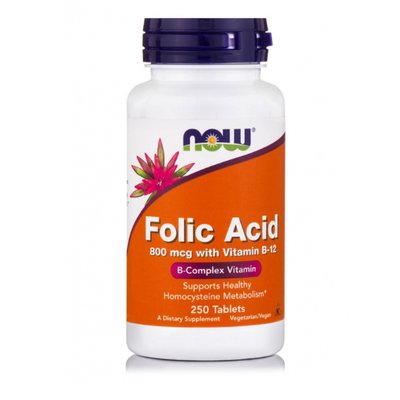 NOW Folic Acid 800mcg€10.90 In stock 250tab are all available at maxfit.ee, offering different doses to suit different needs.
Dietary Sources vs Supplements
Folate is found naturally in dark leafy greens (spinach, kale), legumes, asparagus, broccoli, and liver. The bioavailability of naturally occurring food folate is estimated to be lower than that of synthetic folic acid — a relevant distinction when counselling on meeting requirements through diet alone. However, for most healthy non-pregnant women, a varied diet that includes regular leafy greens and legumes can maintain adequate status.
Pregnancy and Safety Notes
Folic acid is safe at recommended supplemental doses during pregnancy. High doses far above standard recommendations should not be self-prescribed, as they are associated with potential masking of vitamin B12 deficiency in susceptible individuals. For any pregnancy-related supplementation decisions, always work with a midwife or doctor.
Bottom Line
Folic acid is among the most evidence-backed supplements for women of reproductive age and during pregnancy. For women outside this window, it remains a useful B vitamin for cardiovascular and neurological health. Focus on dietary folate from vegetables and legumes first, and consider supplementation to bridge gaps — particularly if planning pregnancy.
FAQ
When should women start taking folic acid if planning to conceive?
Clinical guidelines typically recommend beginning supplementation at least one to three months before attempting conception, to build up adequate stores before the neural tube closes in early pregnancy. This timing is important because folate's role in neural tube development occurs before most women know they are pregnant.
Can you get enough folic acid from food alone?
For non-pregnant women, a diet with regular portions of leafy greens, legumes, and fortified foods may provide adequate folate. However, the bioavailability of food folate is lower than that of folic acid in supplements or fortified foods. Women planning pregnancy are generally advised to use a supplement in addition to a folate-rich diet.
Is there a difference between folic acid and folate?
Folate is the general term for vitamin B9 in its natural forms. Folic acid is the oxidised synthetic form used in supplements and fortified foods. Methylfolate (5-MTHF) is the active form the body uses. Some individuals with MTHFR gene variants process folic acid less efficiently and may benefit from methylfolate-based supplements — a question worth discussing with a healthcare provider.
References
Blencowe, H., Cousens, S., Modell, B., & Lawn, J. (2010). Folic acid to reduce neonatal mortality from neural tube disorders. International Journal of Epidemiology, 39(S1), i110-i121.
Bibbins-Domingo, K., Grossman, D. C., Curry, S. J., Davidson, K. W., Epling, J. W., Garcia, F. A. R., Kemper, A. R., Krist, A. H., Kurth, A. E., & Landefeld, C. S. (2017). Folic acid supplementation for the prevention of neural tube defects. JAMA, 317(2), 183-189. https://pubmed.ncbi.nlm.nih.gov/28097362/



