
Folic Acid for Beginners: A Complete Guide
Folic acid is the synthetic form of folate, a water-soluble B vitamin (B9) that plays fundamental roles in DNA synthesis, cell division, and the conversion of homocysteine to methionine. While it is perhaps most associated with pregnancy, folic acid benefits extend to general population health including cardiovascular risk reduction and neurological function. This guide covers what folic acid beginners need to know before starting supplementation.
What Folic Acid Does
The term "folic acid" specifically refers to the oxidised synthetic form used in supplements and fortified foods. In the body, it is converted to the active forms of folate, which are used in:
- DNA and RNA synthesis: Essential for rapidly dividing cells, making adequate folate critical during pregnancy, growth, and tissue repair.
- Homocysteine metabolism: Folate, along with vitamins B6 and B12, converts homocysteine to methionine. Elevated homocysteine is associated with cardiovascular risk (Wald et al., 2002).
- Neural tube development: Adequate folate in early pregnancy dramatically reduces the risk of neural tube defects such as spina bifida and anencephaly (Czeizel & Dudas, 1992).
- Red blood cell formation: Folate deficiency leads to megaloblastic anaemia.
How to Start
Standard Dose
For general adult supplementation, most guidelines suggest around 400 mcg of folic acid daily. For individuals who may become pregnant or are in the first trimester of pregnancy, the recommendation is typically higher — commonly cited as 400 to 800 mcg daily, started at least one month before conception when possible.
Folic acid is water-soluble, which means excess amounts are excreted in urine rather than stored to toxic levels. This makes the risk of toxicity at commonly used supplement doses low.
With or Without Food
Folic acid can be taken with or without food. Gastrointestinal side effects are uncommon at typical doses, but if you experience mild nausea, taking it with a meal may help.
When in the Day
There is no established preference for morning vs evening dosing. Consistency matters more than precise timing — choose a time that you will remember daily.
What to Expect and When
- Megaloblastic anaemia from folate deficiency: Improvement in blood parameters may be seen within weeks to months of starting supplementation in deficient individuals.
- Homocysteine lowering: Reductions in elevated homocysteine are measurable within four to eight weeks of consistent supplementation (Homocysteine Lowering Trialists' Collaboration, 2005).
- Neural tube defect prevention: The protective effect requires folate adequacy before and in the first weeks of pregnancy — it cannot be "caught up" after the neural tube closes.
For healthy individuals without deficiency, supplementation is unlikely to produce noticeable subjective effects. It is a baseline maintenance nutrient, not an energising supplement.
Common Mistakes
Confusing Folate and Folic Acid
All folic acid is a form of folate, but not all folate is folic acid. Natural folate from food (5-methyltetrahydrofolate, or 5-MTHF) is the form circulating in blood. Folic acid must be converted by the enzyme DHFR before it becomes active. Individuals with the MTHFR genetic variant have reduced conversion efficiency and may benefit from taking methylfolate (L-methylfolate, or 5-MTHF) directly.
Starting Too Late in Pregnancy
The neural tube closes around day 28 of embryonic development — often before a woman knows she is pregnant. Starting folic acid supplementation only after confirming pregnancy means the most critical window may already have passed.
Assuming More Is Always Better
High doses of folic acid can mask vitamin B12 deficiency (by correcting the anaemia it causes while the neurological damage continues). If you are taking very high doses, ensure adequate B12 intake as well.
Choosing a Product
When selecting a folic acid supplement, consider:
- Dose: 400 mcg is standard for general use; higher doses for pregnancy planning should be guided by a healthcare provider.
- Form: Standard folic acid is fine for most people. If you know you have an MTHFR variant, methylfolate products may be more appropriate.
- Combined products: Many B-complex supplements include folate alongside other B vitamins, which may be convenient.
At maxfit.ee, available products include OstroVit Folic Acid 800 90tabs, ICONFIT Capsules Folic Acid 400mg N90, and 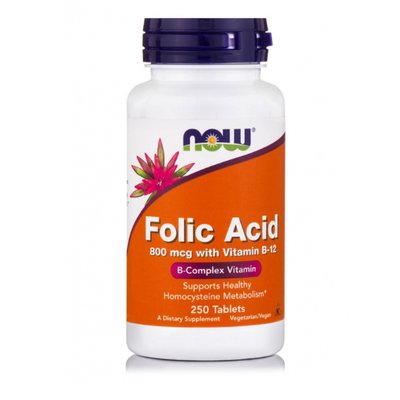 NOW Folic Acid 800mcg€10.90 In stock 250tab. Browse the folic acid category for the full range.
References
Czeizel, A. E., & Dudas, I. (1992). Prevention of the first occurrence of neural-tube defects by periconceptional vitamin supplementation. New England Journal of Medicine, 327(26), 1832-1835. https://pubmed.ncbi.nlm.nih.gov/1307234/
Wald, D. S., Law, M., & Morris, J. K. (2002). Homocysteine and cardiovascular disease: evidence on causality from a meta-analysis. BMJ, 325(7374), 1202. https://pubmed.ncbi.nlm.nih.gov/12446535/
Homocysteine Lowering Trialists' Collaboration. (2005). Dose-dependent effects of folic acid on blood concentrations of homocysteine: a meta-analysis of the randomized trials. American Journal of Clinical Nutrition, 82(4), 806-812. https://doi.org/10.1093/ajcn/82.4.806
FAQ
Do men need to take folic acid?
Folate is essential for everyone, not just people who are pregnant or planning pregnancy. In men, adequate folate supports DNA integrity in sperm production, and there is evidence that low folate is associated with increased sperm DNA fragmentation. Most healthy men consuming a varied diet meet their needs through food, but those on restrictive diets or with absorption issues may benefit from supplementation.
What is the difference between folic acid and methylfolate?
Folic acid is the synthetic, oxidised form that must be converted by the body to become active. Methylfolate (5-MTHF) is the active form that can be used directly. People with the MTHFR C677T genetic variant have reduced capacity to convert folic acid, making methylfolate a potentially better choice for them. For the general population, standard folic acid at typical doses is effective.
Can I get enough folate from food alone?
Good dietary sources include dark leafy greens, legumes, liver, and fortified cereals. Many people in Northern Europe consume below the recommended levels due to diet patterns. Blood tests (serum or red blood cell folate) can confirm whether your intake is adequate. If you are planning a pregnancy, supplementation in addition to diet is the standard recommendation.



