Evidence-Based Synergies
Fat burners stacking — combining a fat-loss supplement with other products — is common practice among those cutting body fat. The appeal is that different mechanisms might complement each other. The evidence for some combinations is reasonable; for others, the combination adds risk without adding meaningful benefit.
This guide covers the pairings with genuine evidence support, the combinations that conflict, timing within a stack, sample protocols by goal, and what to avoid.
Fat Burner + Protein
This is the single most evidence-supported pairing for body composition during a caloric deficit. The concern during fat loss is muscle loss: inadequate protein intake during caloric restriction accelerates lean mass catabolism. High protein intake during fat loss attenuates this. A protein supplement (whey, casein, or plant-based) combined with a fat-loss protocol is not really a "stack" in the thermogenic sense — it is nutritional insurance for the muscle you are trying to keep.
Fat Burner (Thermogenic) + Caffeine: Be Cautious
Many thermogenic fat burners already contain caffeine. Adding an additional caffeine source on top of a caffeinated fat burner is a common and easily avoidable mistake. Total daily caffeine from all sources should be monitored; excessive caffeine is associated with sleep disruption, elevated heart rate, and anxiety.
If your fat burner product already contains caffeine, skip separate pre-workout or energy supplements unless you have precisely calculated total intake.
L-Carnitine Alongside a Caloric Deficit
L-carnitine is involved in the transport of fatty acids into mitochondria for oxidation. Supplementation may support fat oxidation during exercise, though evidence in well-nourished adults is modest. Wall et al. (2011) demonstrated that L-carnitine supplementation increased muscle carnitine content and was associated with improved substrate utilisation during exercise in a double-blind trial (Wall et al., 2011). This effect was most pronounced during higher-intensity exercise where fat oxidation is more relevant.
L-carnitine does not conflict with most fat burner ingredients and is a reasonable addition to a cutting stack, particularly for those engaged in aerobic exercise.
Green Tea Extract
Green tea extract (primarily EGCG) has a modest but consistent evidence base for supporting fat oxidation, particularly when combined with caffeine. Hursel et al. (2011) conducted a meta-analysis finding that catechins plus caffeine produced small but statistically significant increases in fat oxidation and energy expenditure (Hursel et al., 2011). The absolute magnitude of the effect in isolation is small — it is best understood as a supporting ingredient rather than a primary fat-loss driver.
Antagonistic Combinations
- Multiple stimulants: Stacking products each containing caffeine, synephrine, or other adrenergic compounds multiplies cardiovascular strain without evidence of proportionally greater fat loss. This is the most common risk pattern in fat-burner stacking.
- High-dose L-carnitine + thyroid medication: L-carnitine has been shown to oppose thyroid hormone action at the cellular level in some research; those on thyroid medication should seek medical advice before using high-dose L-carnitine.
- Diuretics in a fat burner + electrolytes: Some fat-loss products contain diuretic compounds. If you are also using electrolyte products, the net effect on fluid balance needs to be considered, especially in hot conditions or during heavy exercise.
Timing Within a Stack
| Supplement | Timing | Notes |
|---|---|---|
| Thermogenic fat burner | Pre-exercise or morning | Avoid late afternoon/evening if stimulant-containing |
| L-carnitine | Pre-exercise | Taken with carbohydrate may aid muscle uptake |
| Protein shake | Post-exercise or between meals | Priority is total daily intake |
| Green tea extract | With meals | Reduces GI discomfort when taken with food |
| Electrolytes | During and after exercise | Critical if diuretic ingredients present |
Sample Stacks by Goal
Basic lean-out stack: Whey protein (meeting daily target) + caloric deficit. Everything else is secondary.
Thermogenic addition: Thermogenic fat burner (one serving, morning or pre-exercise) + sufficient protein. Monitor caffeine total.
Endurance-focused fat loss: L-carnitine pre-exercise + protein post-exercise + green tea extract with meals.
What to Avoid
- Do not stack multiple caffeinated products without counting total caffeine
- Do not use diuretics alongside hard cardio in heat without careful electrolyte management
- Do not expect a stack to compensate for an inadequate caloric deficit or poor sleep — both are essential for fat loss regardless of what supplements are used
- Do not use yohimbine without researching individual sensitivity — it has a narrow therapeutic window and pronounced cardiovascular effects in some individuals
At maxfit.ee you will find OstroVit L-Carnitine 1250 60caps, 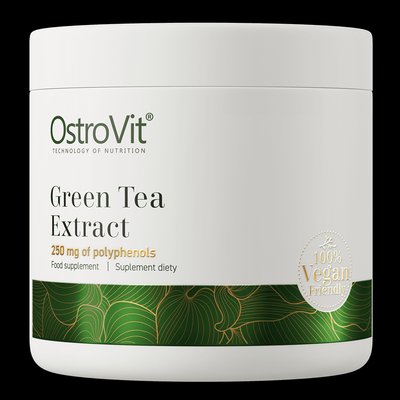 OstroVit Green Tea Extract€10.90 In stock 100g, OstroVit Fat Burner eXtreme 90caps, and MyProtein Thermopure 180caps for building an informed stack.
FAQ
Can I take a fat burner every day?
Most thermogenic fat burners are designed for daily use during a cutting phase. That said, continuous use of stimulant-containing products for months without a break may reduce sensitivity over time. Many users cycle stimulant-containing fat burners (e.g., use for eight weeks, then take two weeks off).
Do fat burners work without diet and exercise?
No supplement meaningfully induces fat loss without a caloric deficit. Fat burners may modestly increase energy expenditure or fat oxidation, but these effects are dwarfed by the impact of diet and exercise. They are an addition to, not a replacement for, lifestyle fundamentals.
Are fat burners safe for women?
Most fat-loss supplements are not specifically contraindicated for women, but dose sensitivity to stimulants varies. Women with thyroid conditions, those who are pregnant or breastfeeding, or those taking hormonal medications should check with a physician before using any thermogenic product.
References
Wall, B. T., Stephens, F. B., Constantin-Teodosiu, D., Marimuthu, K., Macdonald, I. A., & Greenhaff, P. L. (2011). Chronic oral ingestion of L-carnitine and carbohydrate increases muscle carnitine content and alters muscle fuel metabolism during exercise in humans. Journal of Physiology, 589(4), 963-973. https://pubmed.ncbi.nlm.nih.gov/21224234/
Hursel, R., Viechtbauer, W., Dulloo, A. G., Tremblay, A., Tappy, L., Rumpler, W., & Westerterp-Plantenga, M. S. (2011). The effects of catechin rich teas and caffeine on energy expenditure and fat oxidation: a meta-analysis. Obesity Reviews, 12(7), e573-e581. https://pubmed.ncbi.nlm.nih.gov/21366839/
Tremblay, A., Simoneau, J. A., & Bouchard, C. (1994). Impact of exercise intensity on body fatness and skeletal muscle metabolism. Metabolism, 43(7), 814-818. https://pubmed.ncbi.nlm.nih.gov/8028502/



