Fat Burners Safety: What You Should Know Before You Buy
Fat burners are among the most popular supplements in sports nutrition — and among the most misunderstood. Before adding one to your routine, understanding the safety profile is just as important as understanding whether they work. This guide covers the key fat burners side effects, upper safe limits, drug interactions, and groups who should avoid them entirely.
Common Side Effects
Most side effects from fat burner supplements are linked to stimulant ingredients, particularly caffeine. Common complaints include:
- Increased heart rate and blood pressure — stimulants like caffeine activate the sympathetic nervous system. A meta-analysis by Grgic et al. (2020) found that caffeine acutely raises heart rate at doses common in thermogenic products.
- Insomnia and restlessness — caffeine's half-life means an afternoon dose can disrupt sleep quality.
- Nausea and gastrointestinal upset — green tea extract (EGCG) and other plant compounds can irritate the stomach, particularly when taken without food.
- Headaches and jitteriness — common in caffeine-sensitive individuals.
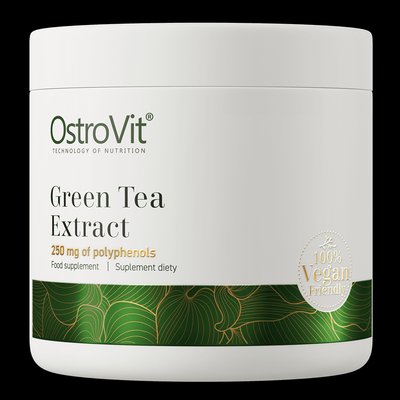 OstroVit Green Tea Extract€10.90 In stock 100g and OstroVit Fat Burner eXtreme 90caps are popular thermogenic options available at maxfit.ee.
Rare but Serious Side Effects
Serious adverse events are uncommon with regulated products but can occur:
- Hepatotoxicity from green tea extract — high-dose EGCG supplements (not tea itself) have been associated with liver injury in case reports. A systematic review by Mazzanti et al. (2015) documented cases linked to concentrated EGCG doses, leading regulators to recommend caution at very high intakes.
- Cardiac arrhythmias — rare but reported with combined stimulant use.
- Hypertensive crisis — mixing fat burners with other stimulants (energy drinks, pre-workouts) multiplies cardiovascular load.
Sticking to one stimulant source at a time is a practical precaution.
Upper Safe Limits
No universal regulatory upper limit exists for "fat burner" products as a category, because formulations vary widely. Key ingredient thresholds that are commonly referenced:
- Caffeine: EFSA's scientific opinion considers up to 400 mg per day unlikely to cause safety concerns for healthy adults (mentioned as a regulatory reference; not listed as a formal journal reference). Products like MyProtein Thermopure 180caps contain clearly labelled caffeine amounts — always add up your total daily caffeine from all sources.
- Green tea extract (EGCG): Concentrated extracts above approximately 800 mg/day EGCG have been associated with hepatotoxicity risk (Mazzanti et al., 2015).
Always read the label, check serving sizes, and avoid doubling up doses.
Drug and Nutrient Interactions
Fat burners can interact with several common medications:
- Stimulants + MAOIs — potentially dangerous blood pressure elevation.
- Caffeine + beta-blockers or antihypertensives — can reduce medication effectiveness.
- Green tea extract + blood thinners (warfarin) — vitamin K content and catechins may affect anticoagulation.
- Synephrine (bitter orange) + cardiac medications — synephrine shares mechanisms with ephedrine; use with heart medications requires medical supervision.
If you take prescription medication, consult a healthcare professional before starting any fat burner.
Who Should Avoid Fat Burners
Certain groups should skip stimulant-containing fat burners entirely or choose stimulant-free alternatives:
- People with cardiovascular disease, hypertension, or arrhythmias.
- Pregnant or breastfeeding individuals — caffeine passes to breast milk.
- Those with anxiety disorders or sleep disorders — stimulants worsen both.
- Teenagers and children.
- People with liver disease — especially regarding concentrated green tea extracts.
Quality and Contamination Risks
The fat burner category has historically attracted contaminated or adulterated products. Risks include:
- Undeclared stimulants — some products have been found to contain undisclosed amphetamine analogues.
- Heavy metal contamination — plant-derived ingredients can concentrate environmental contaminants.
- Label inaccuracy — actual caffeine content sometimes differs significantly from the label claim.
Choose products from brands that publish third-party testing results. Buying from established retailers like maxfit.ee reduces (but does not eliminate) contamination risk, as we work with established European brands.
For browsing, see the fat burners category and thermogenic supplements at maxfit.ee.
FAQ
Are fat burners safe for everyday use?
Most people can use stimulant-based fat burners safely for limited periods (weeks to months), but daily long-term use increases the risk of tolerance, sleep disruption, and cardiovascular strain. Cycling off and taking breaks is sensible practice.
Can I take a fat burner with my morning coffee?
Adding a fat burner to an already caffeinated morning routine can push total caffeine intake above comfortable thresholds for many people. Check the caffeine content on the label and count your total daily intake from all sources.
Do fat burners work without exercise?
The thermogenic effect of fat burner ingredients is modest at best. Without a caloric deficit and physical activity, the contribution of supplements is minimal. They are intended to complement — not replace — diet and training.
References
Grgic, J., Grgic, I., Pickering, C., Schoenfeld, B. J., Bishop, D. J., & Pedisic, Z. (2020). Wake up and smell the coffee: caffeine supplementation and exercise performance — an umbrella review of 21 published meta-analyses. British Journal of Sports Medicine, 54(11), 681–688. https://pubmed.ncbi.nlm.nih.gov/30926628/
Mazzanti, G., Menniti-Ippolito, F., Moro, P. A., Cassetti, F., Raschetti, R., Santuccio, C., & Mastrangelo, S. (2009). Hepatotoxicity from green tea: a review of the literature and two unpublished cases. European Journal of Clinical Pharmacology, 65(4), 331–341. https://pubmed.ncbi.nlm.nih.gov/19198822/
Peternelj, T. T., & Coombes, J. S. (2011). Antioxidant supplementation during exercise training: beneficial or detrimental? Sports Medicine, 41(12), 1043–1069. https://pubmed.ncbi.nlm.nih.gov/22060178/



