
How to Choose a Quality Fat Burner Supplement
The fat burners market is one of the most cluttered segments in sports nutrition. Bold claims, opaque ingredient blends, and dramatic before-and-after imagery make it hard to separate effective products from expensive placebos. This guide gives you a practical framework for evaluating quality: what to look for on the label, form and dose markers that signal a serious product, third-party testing, red flags to avoid, and a realistic view on value for money.
What to Look for on the Label
A quality fat burner label tells you exactly what is in each serving — no "proprietary blends" that hide individual ingredient amounts. The key questions to ask:
1. Are all ingredient amounts disclosed? A product that lists "thermogenic matrix 450 mg" without breaking out how much caffeine, green tea extract, or L-carnitine that actually contains is not giving you the information you need to compare doses to what research supports.
2. Is the formulation aligned with studied ingredients? The short list of ingredients with meaningful research support in human trials for fat loss includes:
- Caffeine: well-studied stimulant that modestly increases metabolic rate and may support training intensity.
- Green tea extract (EGCG): the catechins in green tea have been associated with modest increases in fat oxidation in some studies, particularly when combined with caffeine (Hursel et al., 2011).
- L-carnitine: plays a role in fatty acid transport into mitochondria; evidence for fat loss in well-nourished individuals is modest.
- Synephrine: found in bitter orange extract; has some evidence for modest increases in metabolic rate.
3. Is caffeine content disclosed? Many fat burners are primarily caffeine-delivery vehicles. Knowing the mg per serving matters for managing total daily intake and avoiding side effects.
Form and Dose Markers
Formulation quality matters as much as ingredient selection:
- Capsule or powder with disclosed amounts per serving is preferable to vague "blend" tablets.
- Green tea extract should specify EGCG content or standardisation percentage to be meaningful. An extract standardised to a known percentage of catechins is more reliable than an unstandardised powder.
- Caffeine anhydrous is the most bioavailable and consistent form; natural caffeine sources (coffee extract, green tea) provide variable amounts.
- L-carnitine is better absorbed in its L-tartrate form in some research contexts, though differences in practice are modest.
OstroVit Fat Burner eXtreme 90caps, MyProtein Thermopure 180caps, and 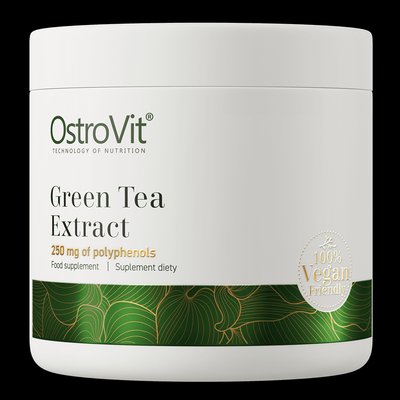 OstroVit Green Tea Extract€10.90 In stock 100g are examples of products available at maxfit.ee that represent different approaches — a capsule thermogenic blend, a capsule with specific disclosed amounts, and a pure extract respectively.
Third-Party Testing
For serious athletes subject to anti-doping rules, third-party testing is not optional — it is essential. Look for certifications such as:
- Informed Sport (most widely recognised in the EU)
- NSF Certified for Sport
- Cologne List
These certifications mean the product has been tested by an accredited laboratory for banned substances. Stimulant-containing fat burners carry a higher contamination risk than simpler products, making this particularly relevant.
For recreational users not subject to testing, third-party certification is still a quality signal that the manufacturer is willing to have their product independently verified.
Red Flags to Avoid
Certain features of fat burner products are worth treating as warning signs:
- "Proprietary blend" with no individual amounts: you cannot evaluate whether doses are meaningful.
- Claims of "guaranteed fat loss" or specific weight loss amounts: no supplement can guarantee this; any such claim is a regulatory breach in most EU countries.
- Unusual stimulant combinations: products containing multiple stimulants (caffeine + synephrine + yohimbine + others) carry compounded cardiovascular risks that are hard to predict individually.
- Undisclosed stimulant content: if caffeine or other stimulants are present in the formula, the label must state this clearly. Undisclosed caffeine is a safety issue.
- No batch number or manufacturer contact: serious supplement companies are identifiable and contactable.
Value for Money
Fat burners are typically not cost-effective on a per-benefit basis compared to the fundamentals: caloric deficit, adequate protein, and consistent exercise. That said, products that deliver a known caffeine dose plus green tea extract at a transparent price can offer practical support for training sessions without overpaying for exotic ingredient lists.
Calculate the cost per serving, compare the disclosed amounts to what research supports, and avoid products that price themselves on brand image rather than ingredient quality.
Browse the full fat burners range, including women's fat burners and thermogenics, at maxfit.ee.
FAQ
Do fat burners work without diet and exercise?
No. Fat burners are not substitutes for a caloric deficit. The active ingredients in most products produce modest metabolic effects that are meaningful only on top of an appropriate training and nutrition plan. Without the fundamentals, no fat burner will produce meaningful results.
Is it safe to take a fat burner every day?
For caffeine-containing products, daily use can lead to tolerance development, reduced stimulant effect over time, and potential disruption to sleep if taken in the afternoon. Cycling or taking breaks from stimulant-based products is a reasonable practical strategy — not because of long-term safety concerns, but because of tolerance.
Are women's fat burners different from regular fat burners?
Mainly in marketing and sometimes in the inclusion of ingredients associated with hormonal balance (e.g. lower stimulant doses, addition of iron or B vitamins). The core mechanisms of fat metabolism do not differ significantly by sex. Choose based on ingredient amounts and your individual tolerance for stimulants, regardless of the product's target audience labelling.
References
Hursel, R., Viechtbauer, W., & Westerterp-Plantenga, M. S. (2011). The effects of green tea on weight loss and weight maintenance: a meta-analysis. International Journal of Obesity, 33(9), 956-961.
Pooyandjoo, M., Nouhi, M., Shab-Bidar, S., Djafarian, K., & Olyaeemanesh, A. (2016). The effect of (L-)carnitine on weight loss in adults: a systematic review and meta-analysis of randomized controlled trials. Obesity Reviews, 17(10), 970-976. https://pubmed.ncbi.nlm.nih.gov/27335245/



