Fat Burners Myths vs Facts
Few supplement categories generate more hype -- and more confusion -- than fat burners. Walk into any sports nutrition store and you will find bold claims on every label. Before spending your money, it is worth knowing which claims have scientific backing and which are pure marketing.
Common Myths About Fat Burners
Myth 1: Fat burners work without diet or exercise
This is the most persistent myth. No supplement overrides a caloric surplus. Fat burner ingredients such as caffeine and green tea extract may support metabolism and fat oxidation, but they are studied as adjuncts to a calorie-controlled diet, not as replacements for it. In a controlled trial, green tea extract supplementation modestly increased fat oxidation during moderate exercise compared to placebo (Venables et al., 2008). The key word is modest and the effect was measured during exercise, not at rest.
Myth 2: The bigger the dose, the better the result
More is not more with stimulant-heavy formulas. Caffeine has a clear dose-response relationship up to a point, after which side effects (anxiety, disrupted sleep, elevated heart rate) outweigh any benefit. Many commercial fat burners stack multiple stimulants -- the combined load is rarely disclosed clearly on the label, which is a genuine safety concern.
Myth 3: Fat burners melt fat directly
No ingredient melts stored fat. Some ingredients may increase the rate at which fatty acids are mobilised and oxidised during exercise, but this depends entirely on being in a caloric deficit. L-carnitine plays a genuine role in transporting fatty acids into the mitochondria, but meta-analyses show that supplemental L-carnitine does not produce meaningful fat loss in healthy, well-nourished adults without concurrent energy restriction (Pooyandjoo et al., 2016).
What the Evidence Actually Shows
The ingredients with the most credible evidence behind them are:
- Caffeine: well-documented to increase energy expenditure and fat oxidation acutely (Acheson et al., 2004). Effect size is real but modest.
- Green tea catechins (EGCG): may support fat oxidation, particularly when combined with caffeine.
- L-carnitine: important for fatty acid transport, but supplementation shows limited added benefit in people who already meet protein needs through diet.
OstroVit Fat Burner eXtreme 90caps and MyProtein Thermopure 180caps are among the formulas available at maxfit.ee that combine several of these studied ingredients.
Marketing Claims vs Reality
Labels often use language like activates thermogenesis or boosts metabolism without citing the underlying study. Under EU regulations, no fat loss claim is approved for any supplement ingredient.
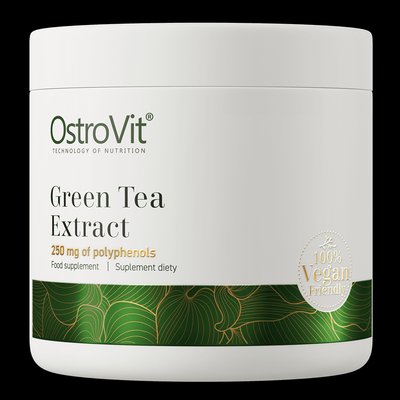 OstroVit Green Tea Extract€10.90 In stock 100g provides a standardised catechin source without the stimulant stack found in many complex formulas -- useful for those sensitive to caffeine.
Grey Areas
Some ingredients occupy a genuine grey zone:
- Synephrine (bitter orange extract): shows some thermogenic activity but raises blood pressure concerns, and the evidence base is much weaker than for caffeine.
- CLA (conjugated linoleic acid): meta-analyses show a small reduction in body fat in overweight populations, but the absolute effect is modest.
- Diuretics (dandelion extract): reduce water retention, not fat. The scale moves, but body composition does not change.
Bottom Line
Fat burners are not magic. The ingredients with the strongest evidence -- caffeine and green tea catechins -- have real but modest effects that are meaningful only within a consistent training and nutrition plan. Products from the fat burner category at maxfit.ee can serve as a useful complement, not a shortcut.
FAQ
Are fat burners safe to take every day?
Most evidence for stimulant-based fat burners covers short-term use (4-12 weeks). Long-term daily use of high-caffeine formulas is not well-studied and carries risks for sleep quality, cardiovascular stress, and dependency. Cycling on and off is commonly recommended as a practical precaution.
Do fat burners work better for women than for men?
There is no robust evidence of a sex-specific fat-burning response to commercial fat burner supplements. Women-targeted products like OstroVit Fat Burner for women 60caps (available in the fat burners for women category) differ mainly in dose and marketing framing.
Can I take a fat burner while drinking coffee?
If your fat burner contains caffeine (most do), combining it with coffee significantly increases your total caffeine intake. Check the caffeine content on the label before stacking.
References
Venables, M. C., Hulston, C. J., Cox, H. R., & Jeukendrup, A. E. (2008). Green tea extract ingestion, fat oxidation, and glucose tolerance in healthy humans. American Journal of Clinical Nutrition, 87(3), 778-784. https://pubmed.ncbi.nlm.nih.gov/18326618/
Pooyandjoo, M., Nouhi, M., Shab-Bidar, S., Djafarian, K., & Olyaeemanesh, A. (2016). The effect of (L-)carnitine on weight loss in adults: a systematic review and meta-analysis of randomized controlled trials. Obesity Reviews, 17(10), 970-976. https://pubmed.ncbi.nlm.nih.gov/27335245/
Acheson, K. J., Gremaud, G., Meirim, I., Montigon, F., Krebs, Y., Fay, L. B., Gay, L. J., Schneiter, P., Schindler, C., & Tappy, L. (2004). Metabolic effects of caffeine in humans: lipid oxidation or futile cycling? American Journal of Clinical Nutrition, 79(1), 40-46. https://pubmed.ncbi.nlm.nih.gov/14684395/



