Age-Related Need: Why Weight Management Shifts After 50
The period around and beyond age 50 brings predictable physiological changes that affect body composition and energy balance. Resting metabolic rate declines progressively with age, partly due to loss of lean muscle mass (sarcopenia) and reduced physical activity, and partly due to hormonal transitions. In women, the perimenopause and menopause are associated with redistribution of fat to the abdominal region, a pattern linked to increased cardiometabolic risk. In men, declining testosterone from the fifth decade onward contributes to reduced lean mass and increased adiposity.
These changes mean that the same caloric intake that maintained a healthy weight at 35 may produce gradual weight gain at 55. Strategies that support metabolic rate — whether through resistance training, dietary adjustments, or targeted supplementation — become more relevant with age.
Absorption Changes and Bioavailability Considerations
Gut function changes with age. Gastric acid secretion tends to decline, which can affect the absorption of several nutrients and some supplement compounds. This generally does not diminish the absorption of stimulant-based thermogenic ingredients such as caffeine or synephrine, which are absorbed through passive diffusion rather than active transport. However, for certain micronutrients (B vitamins, iron, zinc), age-related changes in absorption are clinically meaningful.
For older adults, this reinforces the importance of choosing products with well-understood absorption profiles and avoiding compounds that depend heavily on specific gastrointestinal conditions for bioavailability.
Dose and Safety Considerations
The safety calculus for fat-burning supplements changes meaningfully after 50 for several reasons:
-
Cardiovascular sensitivity increases: Age is an independent risk factor for cardiovascular events. Stimulant-containing fat burners — those with caffeine, synephrine, or yohimbine — exert adrenergic effects that elevate heart rate and blood pressure. These effects are generally minor in young healthy adults but can be more consequential in individuals over 50, particularly those with hypertension, arrhythmia, or other cardiovascular history.
-
Medication burden rises: By age 50, a significant proportion of people take one or more prescription medications. Many common medications — antihypertensives, diuretics, thyroid medications, anticoagulants, SSRIs — have potential interactions with stimulant-class supplements. A pharmacist review before starting any stimulant fat burner is strongly advisable for those over 50 on regular medication.
-
Bone and muscle preservation matters more: Extreme calorie restriction combined with stimulant supplements can accelerate muscle loss in older adults. Supplements that support lean mass preservation — L-carnitine, green tea extract — may be better-tolerated alternatives to high-stimulant stacks.
Interactions with Medications
The most clinically relevant interactions for fat burner ingredients and common medications in the over-50 population include:
- Caffeine and antihypertensives: Caffeine can transiently raise blood pressure and may partially counteract blood pressure medications
- Synephrine and MAOIs: Monoamine oxidase inhibitors (used for depression and Parkinson's disease) combined with sympathomimetic amines like synephrine can produce hypertensive crises
- Green tea catechins and anticoagulants: High-dose green tea extract may interact with warfarin, as catechins have mild anti-aggregation properties
- Yohimbine and antidepressants or antihypertensives: Yohimbine has documented interactions with multiple medication classes and is generally not recommended for those over 55 or on multiple medications
A practical rule: if you take more than two prescription medications, run any new supplement past a pharmacist before use.
When Supplementation Makes Sense
For adults over 50 with no significant cardiovascular contraindications and limited medication use, conservative thermogenic supplementation can complement a calorie-controlled diet and consistent exercise programme. The ingredients with the most favourable safety-to-benefit ratio in this age group are:
- Green tea extract (EGCG): A modest thermogenic and antioxidant compound with a well-characterised safety profile
- L-carnitine: Supports fatty acid oxidation and may help preserve lean mass; generally well tolerated and non-stimulant
- Caffeine: Effective thermogenic at moderate doses, but should be used cautiously above 50 and avoided by those with arrhythmia or uncontrolled hypertension
At maxfit.ee, well-tolerated options for the over-50 group include 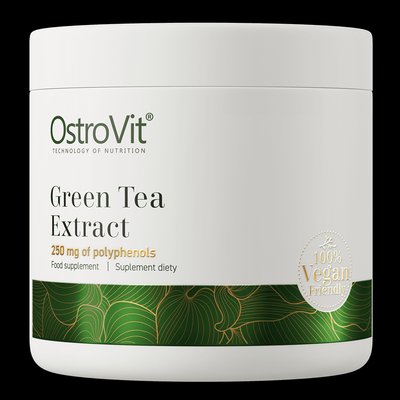 OstroVit Green Tea Extract€10.90 In stock 100g and OstroVit Fat Burner VEGE 60caps, both non-extremes in stimulant load. For a more comprehensive approach, OstroVit L-Carnitine 1250 60caps is a stimulant-free option. Browse the full range at /en/category/rasvapoletajad and /en/category/rohelise-tee-ekstrakt.
References
- Dulloo, A. G., Duret, C., Rohrer, D., Girardier, L., Mensi, N., Fathi, M., Chantre, P., & Vandermander, J. (1999). Efficacy of a green tea extract rich in catechin polyphenols and caffeine in increasing 24-h energy expenditure and fat oxidation in humans. American Journal of Clinical Nutrition, 70(6), 1040-1045. https://pubmed.ncbi.nlm.nih.gov/10584049/
- Wall, B. T., Stephens, F. B., Constantin-Teodosiu, D., Marimuthu, K., Macdonald, I. A., & Greenhaff, P. L. (2011). Chronic oral ingestion of L-carnitine and carbohydrate increases muscle carnitine content and alters muscle fuel metabolism during exercise in humans. Journal of Physiology, 589(4), 963-973. https://pubmed.ncbi.nlm.nih.gov/21224234/
- Bracco, D., Ferrarra, J. M., Arnaud, M. J., Jequier, E., & Schutz, Y. (1995). Effects of caffeine on energy metabolism, heart rate, and methylxanthine metabolism in lean and obese women. American Journal of Physiology, 269(4 Pt 1), E671-E678.
FAQ
Are fat burners safe for people over 60?
This depends heavily on the specific ingredients and the individual's cardiovascular health and medication burden. Non-stimulant options — green tea extract, L-carnitine — are generally better tolerated than high-caffeine or synephrine-containing products in the over-60 group. Anyone over 60 with any cardiovascular condition, hypertension, or on regular prescription medications should discuss fat-burning supplementation with their doctor or pharmacist before starting.
Can fat burner supplements cause muscle loss in older adults?
Stimulant-class fat burners used in the context of excessive calorie restriction can contribute to muscle loss in older adults, who are already at risk of sarcopenia. The key is pairing any thermogenic with adequate protein intake and resistance training to preserve lean mass. Relying solely on supplements without dietary and exercise fundamentals is ineffective at any age and more counterproductive after 50.
Does green tea extract work as a fat burner for seniors?
Green tea extract's thermogenic effect — primarily from EGCG and caffeine synergy — is modest but consistent across trials, including in older populations. Its antioxidant properties may also offer broader health benefits. It is generally considered a more appropriate entry point for older adults than high-stimulant proprietary blends, given its relatively well-characterised safety profile.



