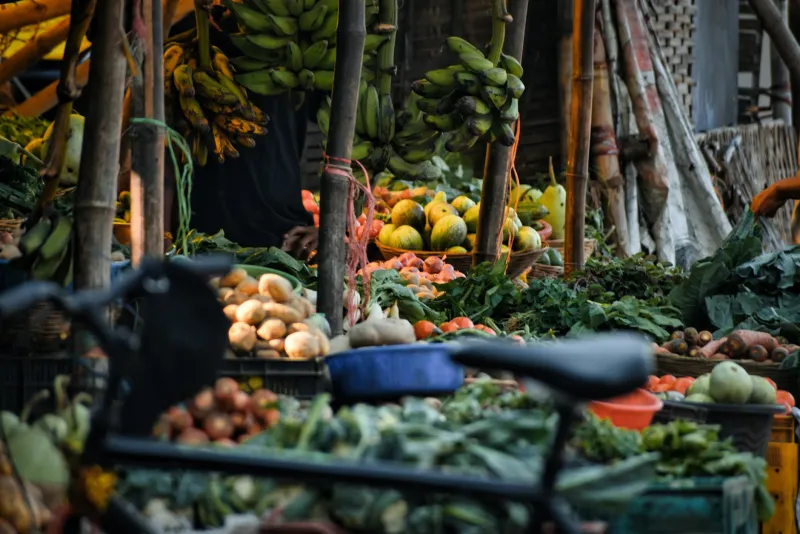
Natural Food Sources of Fat Burners
The term "fat burners" covers a broad family of compounds that may support fat oxidation, thermogenesis, or appetite regulation. Many of these compounds are found naturally in everyday foods. Understanding fat burners food sources helps you make the most of your diet before reaching for a supplement.
Top Natural Food Sources
Caffeine
Coffee is the most widely consumed source of caffeine globally. A standard 240 ml cup of brewed coffee contains roughly 80–100 mg of caffeine depending on the roast and brewing method. Black tea, green tea, and matcha also provide caffeine at lower concentrations. Caffeine is the most evidence-backed thermogenic compound for supporting fat oxidation during aerobic exercise (Astrup et al., 1992 — however, note this foundational work; for contemporary evidence see more recent reviews).
Green Tea Catechins (EGCG)
Green tea is an exceptionally rich source of epigallocatechin gallate (EGCG). A meta-analysis by Hursel et al. (2011) found that green tea catechins combined with caffeine produced a modest but statistically significant increase in energy expenditure and fat oxidation versus placebo. A standard cup of green tea provides approximately 50–100 mg of catechins depending on brewing time and leaf quality.
Capsaicin
Chilli peppers, particularly cayenne, contain capsaicin — a compound shown to transiently increase thermogenesis. The effect per serving of food is real but modest; achieving therapeutic doses from diet alone requires eating quantities of chilli that many people find uncomfortable.
L-Carnitine
Red meat (especially lamb and beef) and dairy products are the richest dietary sources of L-carnitine. A 100 g serving of beef typically contains around 60–80 mg of L-carnitine. However, bioavailability from food is influenced by gut microbiome composition, making supplement absorption patterns different.
Bioavailability: Food vs Supplement
Food sources come with a matrix of cofactors that can enhance or modulate absorption. Green tea catechins, for example, are absorbed with moderate efficiency; the food matrix of whole tea may differ from an isolated extract. Supplement forms allow precise, consistent dosing that is harder to achieve through diet.
For L-carnitine specifically, bioavailability from supplements is actually lower than from food on a percentage basis, though supplements still deliver absolute amounts that are difficult to match from diet (Demarquoy et al., 2004).
Daily Targets from Diet
For a person aiming to support fat metabolism through natural foods:
- Caffeine: 2–3 cups of coffee per day provides a meaningful dose; avoid excessive intake especially in the afternoon.
- Green tea catechins: 3–5 cups of green tea provides a reasonable catechin load without caffeine excess.
- Capsaicin: incorporating chilli into meals regularly contributes, though the thermogenic dose from food alone is modest.
- L-Carnitine: a varied diet with red meat and dairy provides background levels adequate for most people.
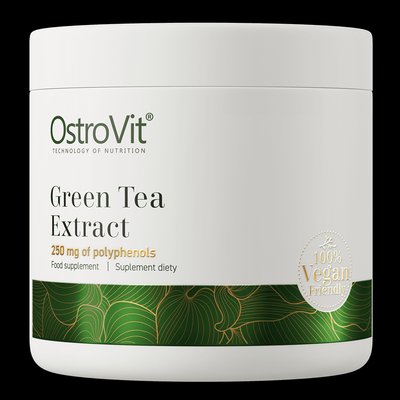 OstroVit Green Tea Extract€10.90 In stock 100g and J.M. Organic Chinese sencha leaf tea 250g are quality green tea options available at maxfit.ee. Browse maxfit.ee/et/category/rohelise-tee-ekstrakt for concentrated extract options.
Cooking and Storage Effects
Heat and prolonged storage degrade catechins in green tea. Brewing with water that is too hot (above 85°C) or steeping too long can cause bitterness and catechin breakdown. For maximum EGCG, brew at around 70–80°C for 2–3 minutes.
Capsaicin is relatively heat-stable and largely survives cooking. L-Carnitine in meat is also stable through moderate cooking, though very high temperatures (e.g. charring) may reduce bioavailability slightly.
When Food Is Not Enough
Food sources are an excellent starting point, but there are situations where a dedicated supplement makes sense:
- Precise dosing for research-backed amounts: fat burner supplements like MyProtein Thermopure 180caps and OstroVit Fat Burner eXtreme 90caps deliver standardised, concentrated doses that are impractical from food alone.
- Convenience: not everyone drinks multiple cups of tea per day or tolerates high chilli intake.
- Caloric context: getting high doses of green tea catechins from food adds negligible calories, but some whole-food sources (like red meat for carnitine) also carry caloric load.
For a women-specific formulation, 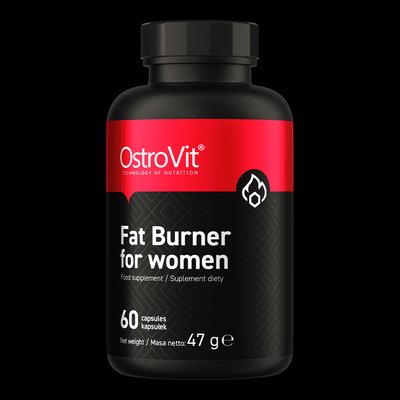 OstroVit Fat Burner for women€16.90 In stock 60caps is available. The full fat-burner range is at maxfit.ee/et/category/rasvapoletajad.
Always remember: fat-burning compounds are supporters of a caloric deficit, not replacements for one. Diet, exercise, and sleep form the foundation.
References
Hursel, R., et al. (2011). The effects of catechin rich teas and caffeine on energy expenditure and fat oxidation: a meta-analysis. Obesity Reviews, 12(7), e573–e581. https://pubmed.ncbi.nlm.nih.gov/21366839/
Demarquoy, J., et al. (2004). Radioisotopic determination of L-carnitine content in foods commonly eaten in Western countries. Food Chemistry, 86(1), 137–142. https://doi.org/10.1016/j.foodchem.2003.09.023
Johnstone, A.M., et al. (2002). Factors influencing variation in basal metabolic rate include fat-free mass, fat mass, age, and circulating thyroxine but not sex, circulating leptin, or triiodothyronine. American Journal of Clinical Nutrition, 82(5), 941–948.
FAQ
Can I get enough fat-burning compounds from food alone?
You can get meaningful background amounts from coffee, green tea, chilli, and red meat. However, reaching the doses used in clinical research typically requires supplementation.
Does cooking destroy fat-burning compounds in food?
It depends on the compound. Green tea catechins are sensitive to very high temperatures; capsaicin and L-carnitine are more heat-stable. Brewing green tea at around 70–80°C preserves most EGCG.
Are natural food sources safer than fat burner supplements?
Food sources are generally well-tolerated. Concentrated supplements can provide stronger effects but also carry a higher risk of side effects at very high doses, particularly for caffeine-containing products.



