
Signs You Need Fat Burners: Deficiency & Who Benefits
The phrase "fat burners deficiency" is a bit unusual – fat burners are not a vitamin you can become deficient in. But the underlying logic is sound: several physiological states make fat mobilisation and thermogenesis less effective, and this is where fat burner supplements can provide a meaningful support role. Understanding these states helps you identify whether fat burner supplementation makes sense for you, or whether another approach would serve better.
What "Fat Burner Deficiency" Really Means
Some compounds found in fat burner supplements actually address real deficiency states:
L-Carnitine is synthesised by the body from lysine and methionine, but certain populations – vegans, elderly individuals, and those with chronic kidney disease – may have suboptimal L-carnitine status. L-carnitine is required to transport long-chain fatty acids into mitochondria for oxidation. A meta-analysis found L-carnitine supplementation reduced body weight and fat mass in specific populations (Pooyandjoo et al., 2016).
Green tea catechins (EGCG) support fat oxidation and thermogenesis via inhibition of catechol-O-methyltransferase (COMT), which otherwise breaks down norepinephrine. Those who rarely consume green tea receive none of this benefit from diet.
Caffeine enhances lipolysis and thermogenesis. Habitual non-consumers and those who have eliminated coffee/tea from their diet receive no baseline caffeine-driven metabolic stimulus.
Deficiency Symptoms Relevant to Fat Burning
While not classic nutrient deficiency symptoms, these functional states signal reduced fat-loss capacity:
- Persistent fatigue despite adequate sleep may indicate low mitochondrial function; L-carnitine and CoQ10 play roles here.
- Slow post-exercise recovery combined with fat loss stalling may signal that lipolysis intermediates are not being efficiently cleared.
- Very low thyroid function reduces basal metabolic rate; this requires medical evaluation, not supplementation.
- Chronically low vitamin D in Northern European populations (including Estonia, where sunlight is limited from October to March) is associated with impaired metabolic function (Forrest & Stuhldreher, 2011). Correcting vitamin D deficiency should precede fat burner supplementation if D status is low.
At-Risk Groups
- Sedentary individuals with low thermogenic baseline: resting metabolic rate is not stimulated by physical activity; thermogenic supplements may provide a modest additional push.
- Vegans and vegetarians: suboptimal L-carnitine and lower habitual caffeine intake may reduce natural fat oxidation capacity.
- Women post-menopause: oestrogen decline is associated with increased visceral fat accumulation and reduced basal metabolic rate.
- People in prolonged calorie restriction: adaptive thermogenesis reduces energy expenditure during dieting; stimulant-based thermogenics partially counteract this.
- Individuals with cold-climate lifestyles in Northern Europe who spend long winters predominantly indoors.
How It Is Tested
No blood test directly measures "fat burner deficiency." However, relevant markers include:
- Serum 25(OH)D (vitamin D) – the primary marker for vitamin D status.
- Plasma L-carnitine levels – available in specialist labs but not routinely tested.
- Thyroid function panel (TSH, fT4) – rules out hypothyroidism as the root cause of sluggish metabolism.
- Fasting lipid panel – establishes baseline metabolic health.
For most healthy adults, testing is not necessary before trying a well-formulated fat burner. The decision is better framed around lifestyle factors than biomarkers.
Nordic/Estonian Context
In Estonia and the broader Baltic-Nordic region, the extended period of low sunlight from October through March creates a near-universal vitamin D deficiency pattern. Correcting this should be the first step in metabolic optimisation, before adding any thermogenic product.
Dietary habits in the region tend toward high refined carbohydrate and low fibre, which creates a pattern of blood sugar variability that makes sustained fat burning harder. Products that support insulin sensitivity alongside thermogenesis (green tea extract, berberine) may be more relevant in this context.
Products relevant for this market include MyProtein Thermopure 180caps, OstroVit Fat Burner eXtreme 90caps, and OstroVit Fat Burner VEGE 60caps, all available at maxfit.ee.
When to Supplement vs Diet
Fat burner supplements work best as an adjunct to a calorie deficit and exercise programme, not as a standalone strategy:
| Situation | Priority |
|---|---|
| Calorie intake still above expenditure | Fix diet first |
| No regular exercise | Add training first |
| Vitamin D low | Correct D first |
| Thyroid disorder suspected | Medical evaluation |
| Diet and training consistent for 4+ weeks with a plateau | Fat burner as adjunct |
FAQ
Are thermogenic fat burners safe?
Well-formulated products at label-recommended doses are considered safe for healthy adults. Products containing high-dose stimulants (caffeine, synephrine, yohimbine) are not appropriate for those with cardiovascular conditions, anxiety disorders, or hypertension. Always read the label and start with the minimum dose.
Does green tea extract work the same as drinking green tea?
Green tea extract products like 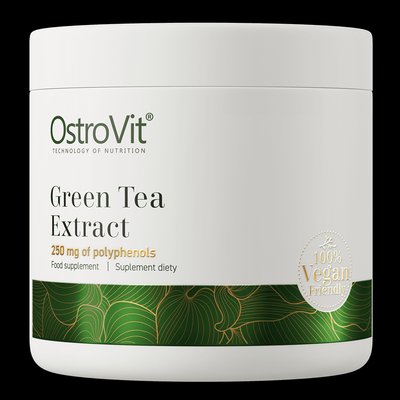 OstroVit Green Tea Extract€10.90 In stock 100g concentrate the active catechins (EGCG) at a much higher level than most cups of brewed tea. The mechanistic evidence for EGCG in fat oxidation is stronger for standardised extracts than for brewed tea.
How long before I see results from a fat burner?
Effect timelines depend more on diet and training consistency than on the supplement. Thermogenic supplements support an already-running process; they do not create fat loss on their own. In studies with consistent diet and exercise, measurable differences in body composition appear over weeks to months, not days.
References
Pooyandjoo, M., Nouhi, M., Shab-Bidar, S., Djafarian, K., & Olyaeemanesh, A. (2016). The effect of L-carnitine supplementation on body weight and body fat in overweight or obese adults. Obesity Reviews, 17(10), 970–976. https://pubmed.ncbi.nlm.nih.gov/27335245/
Forrest, K. Y., & Stuhldreher, W. L. (2011). Prevalence and correlates of vitamin D deficiency in US adults. Nutrition Research, 31(1), 48–54. https://pubmed.ncbi.nlm.nih.gov/21310306/
Hursel, R., Viechtbauer, W., & Westerterp-Plantenga, M. S. (2009). The effects of green tea on weight loss and weight maintenance: a meta-analysis. International Journal of Obesity, 33(9), 956–961. https://pubmed.ncbi.nlm.nih.gov/19597519/



