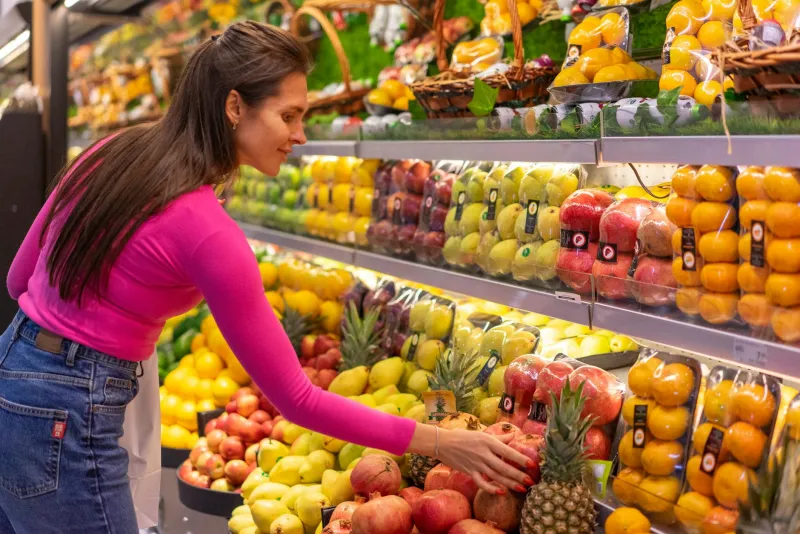
Natural Food Sources of Energy Complexes
Energy complexes — supplement products designed to support sustained mental and physical energy — typically combine B-vitamins, adaptogenic herbs, and sometimes coenzyme Q10, iron, or other micronutrients. Before reaching for a supplement, understanding which everyday foods supply these same nutrients can help you build a stronger dietary foundation and use supplements more strategically.
Top Food Sources for Energy-Related Nutrients
B-Vitamins
B-vitamins are central to energy metabolism. They serve as cofactors in the mitochondrial pathways that convert carbohydrates, fats, and proteins into ATP.
- Thiamine (B1): Wholegrains, pork, sunflower seeds, and legumes.
- Riboflavin (B2): Dairy products, eggs, organ meats, and almonds.
- Niacin (B3): Chicken, tuna, peanuts, and mushrooms.
- Pantothenic acid (B5): Widespread — liver, avocado, sunflower seeds.
- Pyridoxine (B6): Potatoes, bananas, turkey, and chickpeas.
- Folate (B9): Dark leafy greens, lentils, and asparagus.
- Cobalamin (B12): Almost exclusively in animal foods — meat, fish, dairy, and eggs. Vegans and older adults are at highest risk of deficiency.
Coenzyme Q10 (CoQ10)
CoQ10 is synthesised by the body but also obtained from food. The richest sources are organ meats (heart, liver, kidney), beef, sardines, and mackerel. A normal mixed diet provides a modest amount, and synthesis typically covers needs in healthy younger adults. Older adults, those on statin medications, and high-volume athletes may benefit most from supplemental CoQ10 because natural synthesis declines with age (Littarru & Tiano, 2007).
Iron
Iron is essential for oxygen transport and therefore for sustained aerobic energy. Haem iron from red meat, liver, and shellfish is absorbed more efficiently than non-haem iron from legumes, tofu, and dark leafy greens. Pairing plant iron sources with vitamin C-rich foods improves absorption.
Adaptogens from Food
Most adaptogens used in energy complexes — ashwagandha, rhodiola, ginseng — are not standard culinary foods. They are root extracts or herbs that are impractical to obtain in meaningful amounts from diet alone, making them one area where supplementation is genuinely necessary rather than optional.
Bioavailability: Food vs Supplement
For B-vitamins, whole food sources generally provide good bioavailability alongside fibre, phytonutrients, and other cofactors. Food context matters: B12 from dairy is well absorbed, while B12 from fortified plant milks varies by product. Supplements offer consistent, measured doses — useful when dietary intake is insufficient or absorption is impaired.
For CoQ10, supplement forms (particularly ubiquinol) may achieve higher plasma levels than equivalent food amounts because food sources require digestion and the extraction of CoQ10 from cell membranes (Hosoe et al., 2007).
Daily Targets from Diet
A balanced diet with variety across food groups can supply most B-vitamins at reference intake levels. The key exceptions are:
- B12: Requires animal products or fortified foods daily. Vegans need a reliable supplement.
- CoQ10: Food contribution is modest, and the body's own synthesis declines with age.
- Adaptogens: Not obtainable from standard foods.
Cooking and Storage Effects
B-vitamins are water-soluble and heat-sensitive. Boiling vegetables leaches B-vitamins into the cooking water — use the cooking liquid in soups or steam instead of boiling to preserve more. Riboflavin is sensitive to light; dairy and eggs stored in opaque containers retain more. Meat loses some B-vitamins with prolonged high-heat cooking, so moderate cooking methods are preferable.
When Food Isn't Enough
Several situations create genuine gaps that diet alone struggles to fill:
- High-volume training increases B-vitamin turnover, raising requirements.
- Vegans and vegetarians lack haem iron and B12 from food.
- Older adults produce less CoQ10 endogenously and absorb B12 less efficiently.
- Calorie restriction for body composition reduces total nutrient intake.
- Statin medications reduce CoQ10 synthesis.
In these cases, an energy complex supplement — such as ICONFIT Capsules Energy Complex N90 — can provide a convenient, well-dosed combination of the nutrients that daily meals consistently underdeliver. Browse the full range of energy support products at maxfit.ee/et/category/energia-ja-aju.
References
Littarru, G. P., & Tiano, L. (2007). Bioenergetic and antioxidant properties of coenzyme Q10: recent developments. Molecular Biotechnology, 37(1), 31-37. https://pubmed.ncbi.nlm.nih.gov/17914161/
Hosoe, K., Kitano, M., Kishida, H., Kubo, H., Fujii, K., & Kitahara, M. (2007). Study on safety and bioavailability of ubiquinol after single and 4-week multiple oral administration to healthy volunteers. BioFactors, 28(3-4), 235-242.
Kennedy, D. O. (2016). B vitamins and the brain: mechanisms, dose and efficacy — a review. Nutrients, 8(2), 68. https://pubmed.ncbi.nlm.nih.gov/26828517/
FAQ
Can I get enough B12 from plant foods?
Natural B12 is found almost exclusively in animal products. Fortified plant foods (plant milks, nutritional yeast) contain added B12, but amounts vary. Vegans and vegetarians are strongly advised to take a B12 supplement, as dietary sources alone are unreliable for this population.
Does cooking destroy CoQ10 in food?
High heat can degrade some CoQ10 in food, which is already present in relatively small amounts. This is one reason why supplemental CoQ10 — particularly ubiquinol — tends to achieve higher plasma levels than food-derived CoQ10.
Are energy complex supplements safe for daily use?
Most energy complex formulations use water-soluble B-vitamins, which are generally safe at common supplemental levels as the body excretes excess. However, long-term very high doses of isolated B6 (pyridoxine) have been associated with peripheral neuropathy in some cases. Choose products with clear dosing and avoid stacking multiple high-dose B-vitamin supplements.



