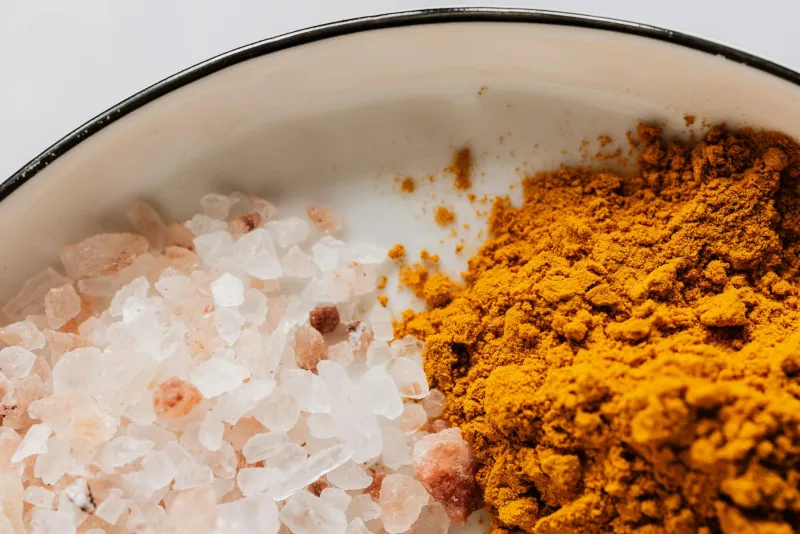
Electrolytes for Vegans and Vegetarians
Electrolytes — sodium, potassium, magnesium, calcium, and chloride — are minerals dissolved in body fluids that regulate muscle contraction, nerve signalling, and fluid balance. Most people get adequate electrolytes from a varied diet, but plant-based diets present specific challenges that can leave vegans and vegetarians more vulnerable to suboptimal electrolyte status, particularly during exercise or hot weather.
Why Plant-Based Diets May Fall Short
The main issues are bioavailability and food selection rather than total absence. Plant foods are generally rich in potassium and magnesium, but the bioavailability of these minerals is often lower than in animal foods due to binding by phytates, oxalates, and fibre. Calcium is the clearest concern for vegans who do not consume fortified foods or supplements — dairy is a major calcium source in omnivore diets, and many plant alternatives provide less absorbable calcium per serving.
Sodium is rarely deficient in any diet due to food processing, but athletes doing prolonged endurance exercise in heat lose substantial sodium in sweat. Vegan athletes following low-sodium whole-food diets may be more exposed to exercise-associated hyponatraemia risk than those eating processed foods.
Magnesium deserves special attention. Observational data suggest that magnesium intake is below recommended levels in a substantial proportion of the population, and a plant-rich diet is not automatically protective — the high-phytate diet typical in some vegans can reduce net magnesium absorption (Coudray et al., 2005).
Vegan-Friendly Sources
Dietary sources that perform well in vegan and vegetarian contexts:
| Electrolyte | Good vegan sources |
|---|---|
| Potassium | Lentils, white beans, avocado, sweet potato, spinach |
| Magnesium | Pumpkin seeds, dark leafy greens, whole grains, almonds |
| Calcium | Fortified plant milks, tofu (calcium-set), sesame seeds, kale |
| Sodium | Usual dietary sodium; extra needed only for prolonged exercise |
Supplemental options that carry vegan certification or are formulation-friendly for vegans include tablet or powder forms without gelatin capsules or dairy-derived lactose. OstroVit Electrolyte 90tabs and OstroVit Pure Electrolytes 270g from our electrolyte range are examples without animal-derived fillers.
Dose Targets
General adult daily targets as a frame of reference:
- Potassium: approximately 3,500 mg per day
- Magnesium: 300–400 mg per day (varies by sex and age)
- Calcium: approximately 1,000 mg per day
For active vegans, exercise sweat losses add sodium and potassium needs on top of baseline dietary requirements. During endurance exercise lasting more than an hour, electrolyte replacement — rather than water alone — helps maintain performance and prevents hyponatraemia.
What to Combine
Electrolytes do not act in isolation. Effective absorption and function often require specific co-factors:
- Magnesium and vitamin D: vitamin D promotes magnesium absorption; vegans are at higher risk of vitamin D insufficiency in northern latitudes (including Estonia)
- Calcium and vitamin D: the classic pairing for bone health
- Potassium and sodium balance: these interact to regulate blood pressure; high potassium mitigates some of the effects of elevated sodium intake
PowerBar 5 Electrolytes 10tabs Vaarika-granaatõuna and PowerBar Iso Active 600g Sidrun from our electrolyte range are formulated for sports use and provide multi-electrolyte replacement in one product, available at maxfit.ee.
Choosing a Vegan Product
When evaluating an electrolyte supplement as a vegan:
- Check the capsule type: gelatine capsules are not vegan; look for HPMC (hypromellose) or tablets/powder form
- Check the label for magnesium stearate source: it can be animal or plant-derived; look for products specifying vegetable origin or avoid if uncertain
- Avoid milk-derived lactose as a filler: some electrolyte tablets use lactose as a bulking agent
- Prioritise multi-mineral formulas: a formula covering sodium, potassium, and magnesium in one product simplifies compliance
FAQ
Do vegans need electrolyte supplements daily?
Not necessarily. A well-planned whole-food plant diet can meet most electrolyte needs. Supplementation becomes more relevant for active individuals, those in hot climates, or those with consistently low dietary calcium or magnesium intake. Evaluate your actual diet before adding supplements.
Is sea salt a good electrolyte supplement for vegans?
Sea salt provides sodium and trace minerals, but in very small quantities. It is not a substitute for a dedicated electrolyte supplement if you are losing significant sodium through exercise sweat. Use it as a food seasoning complement, not a performance supplement.
Can I get enough magnesium from a plant-based diet alone?
It is possible if the diet includes magnesium-rich foods like seeds, whole grains, and leafy greens, and phytate exposure is managed (e.g., soaking legumes). However, many people — vegan or not — do not achieve optimal magnesium intake from diet alone, making supplementation reasonable for high-activity individuals.
References
Coudray, C., Rambeau, M., Feillet-Coudray, C., Gueux, E., Tressol, J. C., Mazur, A., & Rayssiguier, Y. (2005). Study of magnesium bioavailability from ten organic and inorganic Mg salts in Mg-depleted rats using a stable isotope approach. Magnesium Research, 18(4), 215–223. https://pubmed.ncbi.nlm.nih.gov/16548135/
Weaver, C. M. (2009). Should dairy be recommended as part of a healthy vegetarian diet? Point. American Journal of Clinical Nutrition, 89(5), 1634S–1637S. https://pubmed.ncbi.nlm.nih.gov/19321565/
Kniskern, M. A., & Johnston, C. S. (2011). Protein dietary reference intakes may be inadequate for vegetarians if low amounts of animal protein are consumed. Nutrition, 27(6), 727–730. https://pubmed.ncbi.nlm.nih.gov/21167687/



