
Electrolytes for Sleep & Stress: What the Evidence Shows
Electrolytes — primarily sodium, potassium, magnesium, calcium, and chloride — are minerals that carry an electrical charge in body fluids. They are essential for nerve conduction, muscle contraction, and fluid regulation. The connection between electrolytes, sleep, and stress is not just marketing: specific electrolytes have biologically plausible and research-supported mechanisms for influencing sleep quality and the physiological stress response.
Mechanism: Why Electrolytes Matter for Sleep and Stress
Magnesium
Magnesium is the electrolyte with the strongest evidence for sleep and stress relevance. It acts as a physiological calcium channel blocker and activates GABA receptors, which are the same receptors targeted by many sedative medications. A state of inadequate magnesium is associated with increased excitability of the nervous system — which can manifest as difficulty falling asleep, restless sleep, and heightened stress reactivity.
Calcium
Calcium participates in the synthesis of melatonin from tryptophan. Low calcium intakes have been associated with reduced slow-wave sleep depth in some observational research, though this is a weaker mechanistic link than magnesium.
Potassium
Potassium is involved in sodium-potassium ATPase pump function, which helps maintain neuronal membrane potential. Some research suggests a link between low potassium and nocturnal awakening, though this area has fewer controlled trials than magnesium.
RCT Evidence
Magnesium and Sleep
A randomised controlled trial by Abbasi et al. in older adults with insomnia found that magnesium supplementation improved sleep efficiency, sleep time, and early morning awakening, as well as reducing insomnia severity scores (Abbasi et al., 2012). The trial used daily magnesium oxide supplementation over eight weeks.
A more recent meta-analysis by Mah and Pitre found that magnesium supplementation modestly improved subjective sleep quality, particularly in populations with suboptimal magnesium intake (Mah & Pitre, 2021).
Magnesium and Stress
The relationship between magnesium and psychological stress is bidirectional: stress depletes magnesium through increased urinary excretion, and low magnesium may amplify stress responses. A review by Boyle et al. found that magnesium supplementation had a positive relationship with reducing perceived stress levels in studies with populations showing mild-to-moderate stress (Boyle et al., 2017).
Effective Dose and Timing
Based on the available RCT literature, magnesium is the electrolyte with the clearest dose-response evidence for sleep and stress:
- Timing: taken in the evening, one to two hours before sleep, maximises relevance to sleep quality
- Form: magnesium glycinate and magnesium citrate are generally better absorbed than magnesium oxide; bisglycinate may have advantages for those with sensitive digestion
At maxfit.ee, products such as OstroVit Electrolyte 90tabs and OstroVit Pure Electrolytes 270g offer a comprehensive electrolyte profile including magnesium.  SELF Potassium Magnesium€19.90 In stock 120 vegan caps combines two of the electrolytes most relevant to sleep. Explore the full electrolyte range at /en/category/elektroluudid.
For targeted magnesium-specific support, the magnesium category at maxfit.ee includes 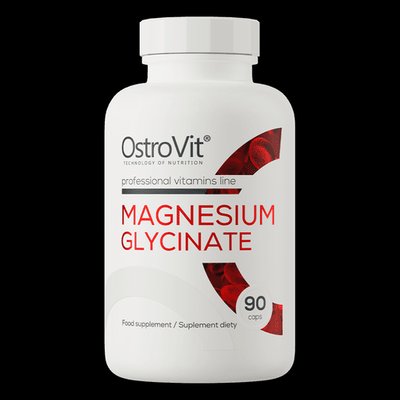 OstroVit Magnesium Glycinate€11.90 In stock 90caps, OstroVit Magnesium Citrate 200g Naturaalne, and ICONFIT Capsules Magnesium B6 90caps.
Who Benefits Most?
Electrolyte supplementation for sleep and stress is most likely to benefit:
- Individuals with suboptimal dietary magnesium intake (common in populations relying heavily on processed foods)
- Athletes with high sweat losses, who excrete significant magnesium and potassium during training
- People experiencing periods of high stress, which accelerates magnesium depletion
- Older adults, in whom magnesium absorption tends to decrease with age
Healthy individuals with adequate dietary mineral intake from whole foods may see limited additional benefit.
Honest Verdict
Among electrolytes, magnesium has the most evidence for genuine sleep and stress benefits, particularly in populations that are below optimal intake. The effect size is moderate rather than dramatic — magnesium is not a sleep drug, but restoring adequate intake in someone who is deficient may produce meaningful improvements in sleep quality and stress resilience.
Other electrolytes (calcium, potassium) have plausible but weaker RCT support specifically for sleep and stress. A comprehensive electrolyte supplement addresses the whole picture without the need to estimate individual mineral gaps.
FAQ
When should I take electrolytes for sleep?
For sleep-specific benefits, taking a magnesium-containing electrolyte supplement in the evening — around one to two hours before bed — is the timing best supported by sleep research.
Do sports electrolyte drinks help with sleep?
Most sports electrolyte drinks are formulated for hydration during exercise and may contain high sodium, which is not the priority electrolyte for sleep. Magnesium-specific supplements or comprehensive evening electrolyte formulations are better suited for sleep support.
Can I get enough magnesium from food alone?
Magnesium-rich foods include dark leafy greens, nuts, seeds, and legumes. Many people in Western diets do not consistently reach recommended intakes. An assessment of dietary patterns is useful before starting supplementation.
References
Abbasi, B., Kimiagar, M., Sadeghniiat, K., Shirazi, M. M., Hedayati, M., & Rashidkhani, B. (2012). The effect of magnesium supplementation on primary insomnia in elderly: a double-blind placebo-controlled clinical trial. Journal of Research in Medical Sciences, 17(12), 1161–1169. https://pubmed.ncbi.nlm.nih.gov/23853635/
Mah, J., & Pitre, T. (2021). Oral magnesium supplementation for insomnia in older adults: a systematic review and meta-analysis. BMC Complementary Medicine and Therapies, 21, 125. https://pubmed.ncbi.nlm.nih.gov/33865376/
Boyle, N. B., Lawton, C., & Dye, L. (2017). The effects of magnesium supplementation on subjective anxiety and stress — a systematic review. Nutrients, 9(5), 429. https://pubmed.ncbi.nlm.nih.gov/28445426/



