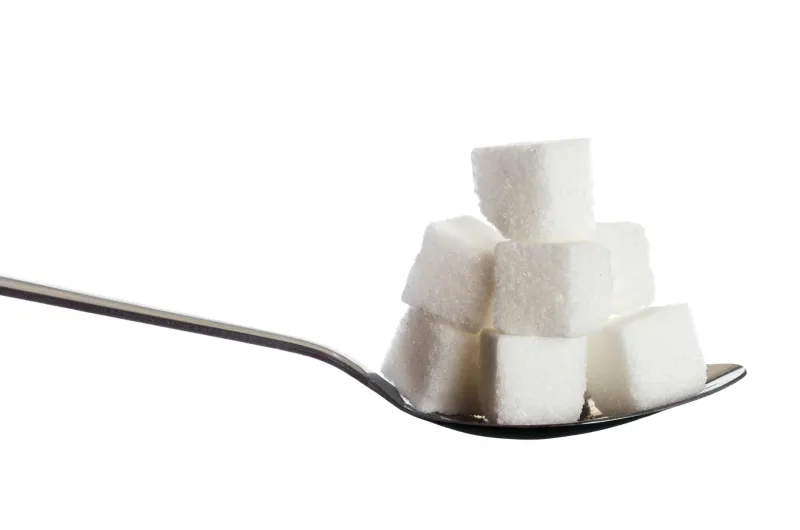
What is D-Ribose?
D-Ribose is a five-carbon sugar molecule (pentose) that is an essential component of adenosine triphosphate (ATP) synthesis -- the cell's primary energy molecule. Additionally, D-Ribose is part of the backbone of RNA (ribonucleic acid).
Although the body synthesizes D-Ribose on its own through the pentose phosphate pathway, this process is slow. Particularly after intense physical exertion, restoring ATP reserves can take time -- and this is where the theoretical potential of D-Ribose supplementation lies.
How D-Ribose works
D-Ribose participates in several important energy processes:
- ATP synthesis: D-Ribose is a component of the ribose portion of the ATP molecule. ATP is the universal energy molecule that every cell uses for energy storage and transfer
- Pentose phosphate pathway: D-Ribose is part of this metabolic pathway that produces NADPH (needed for biosynthesis) and ribose (needed for nucleotide production)
- Nucleotide synthesis: Ribose is an essential component of nucleotides -- the building blocks of DNA and RNA
- Coenzyme synthesis: Ribose is needed for the synthesis of certain coenzymes (NAD+, FAD, CoA) that are essential in energy metabolism
Evidence and benefits
Research on D-Ribose exists but the overall evidence base is limited:
Physical recovery: Some small-scale studies have examined D-Ribose's potential role in restoring ATP reserves after intense exertion (Hellsten et al., 2004). Results have been mixed -- some athlete studies found no significant difference compared to placebo (Dunne et al., 2006).
Cellular energy: The theoretical basis for D-Ribose use lies in the fact that de novo ATP synthesis is a slow process and ribose may accelerate it (Tullson & Terjung, 1991). This theoretical foundation is biochemically sound, but clinical evidence is limited.
Heart health: Some medical studies have examined D-Ribose in the context of cardiac energy metabolism (Omran et al., 2003). These studies are specific and do not pertain to general supplement use.
Important note: D-Ribose does not currently have a specific EFSA-approved health claim. Available scientific evidence is limited and studies have been small in scale.
How to take D-Ribose
Typical dose: Studies have used doses ranging from 3-5 g per day, often divided into 2-3 doses. Some protocols use up to 10-15 g per day.
Timing: D-Ribose is often taken before and/or after training. It can also be distributed evenly throughout the day.
With or without food: D-Ribose is a water-soluble powder with a slightly sweet taste. It can be mixed into drinks or smoothies. It can be taken with food or on an empty stomach.
Precautions: D-Ribose may lower blood sugar levels. People with diabetes or hypoglycemia should consult their doctor. Always start with a lower dose. Insufficient safety data exists for pregnant and breastfeeding women.
Who should consider D-Ribose?
People who may consider D-Ribose supplementation include:
- Athletes engaged in intense training seeking potential recovery aids
- Endurance sport participants
- Those interested in supporting cellular energy production
- People recovering from intense physical exertion
Frequently asked questions
Is D-Ribose a sugar? Will it cause weight gain? D-Ribose is technically a five-carbon sugar, but it does not behave like glucose or fructose. D-Ribose has lower caloric content than regular sugar and is used in the body primarily for nucleotide synthesis rather than energy in the conventional sense. However, it does contain calories.
Does D-Ribose work with creatine? Some athletes use both together since they support ATP through different mechanisms -- creatine rapidly regenerates ATP, while ribose supports de novo ATP synthesis. No safety concerns have been identified.
How quickly do effects appear? D-Ribose's effects are more biochemical than immediately perceptible. Studies have used periods of 1-8 weeks.
Is D-Ribose found in food? D-Ribose is found in small amounts in meat and other animal-sourced foods. Amounts obtained from food are significantly smaller than from supplements.
Does D-Ribose affect blood sugar? Yes, D-Ribose may lower blood sugar levels. This is especially important for people with diabetes and those taking blood sugar-lowering medications.
References
- Hellsten Y, Skadhauge L, Bangsbo J. (2004). Effect of ribose supplementation on resynthesis of adenine nucleotides after intense intermittent training in humans. American Journal of Physiology-Regulatory, Integrative and Comparative Physiology, 286(1), R182-R188.
- Dunne L, Worber S, Engbert D, et al. (2006). D-Ribose supplementation does not improve performance during high-intensity exercise. European Journal of Applied Physiology, 97(6), 659-665.
- Omran H, Illien S, MacCarter D, St. Cyr JA, Luderitz B. (2003). D-Ribose improves diastolic function and quality of life in congestive heart failure patients. European Journal of Heart Failure, 5(5), 615-619.
- Tullson PC, Terjung RL. (1991). Adenine nucleotide synthesis in exercising and endurance-trained skeletal muscle. American Journal of Physiology, 261(2), C342-C347.
See also:
Browse energy and recovery supplements at MaxFit.
Disclaimer
A food supplement is not a substitute for a varied and balanced diet and a healthy lifestyle.



